The Role of POS Systems in Smarter Decision-Making
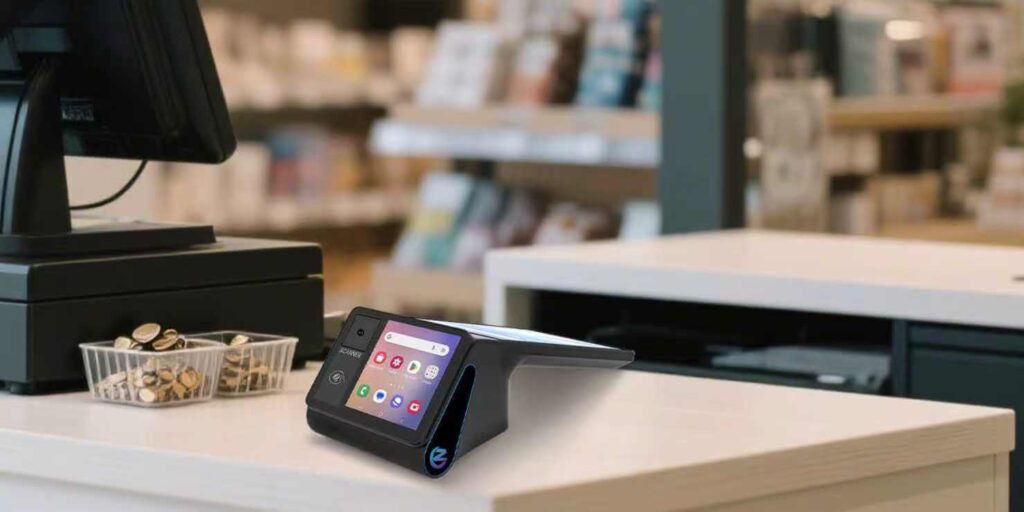
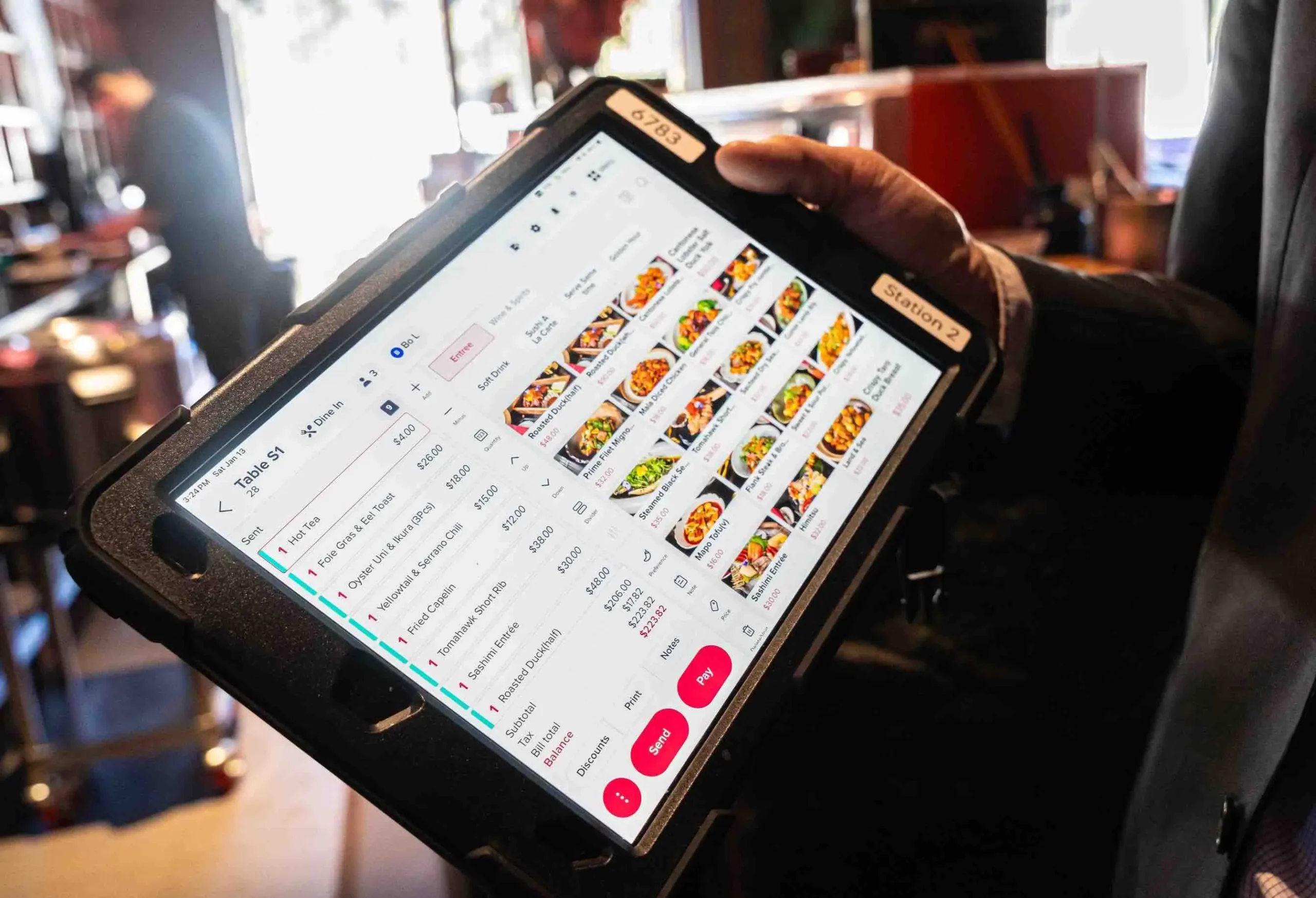
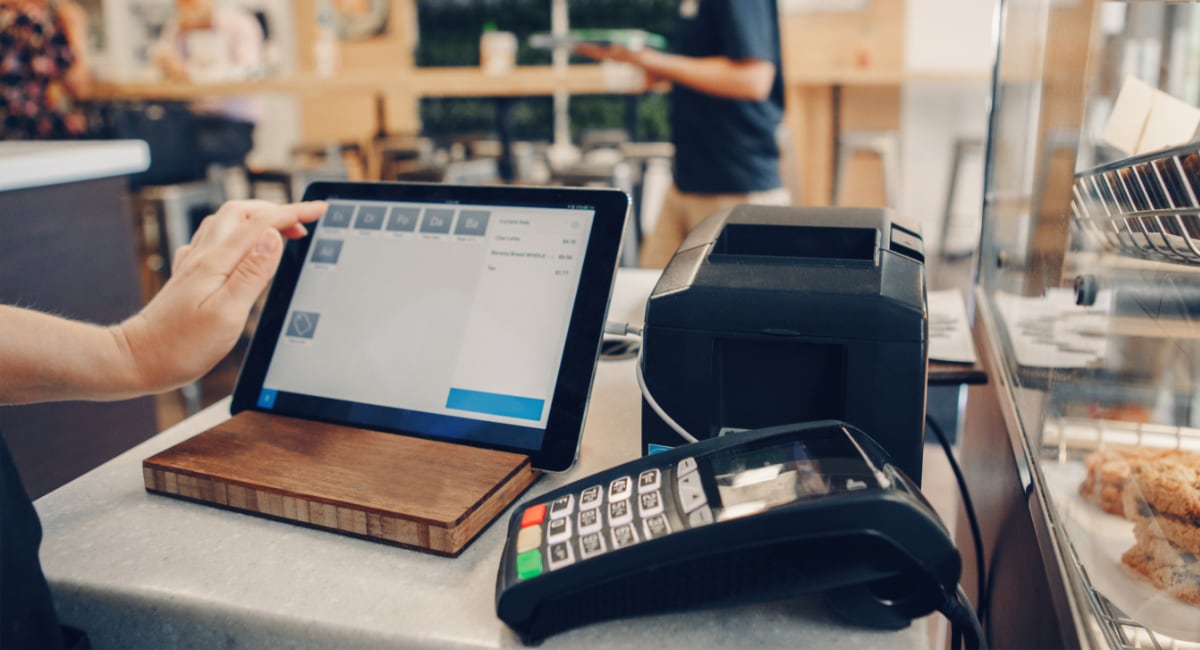
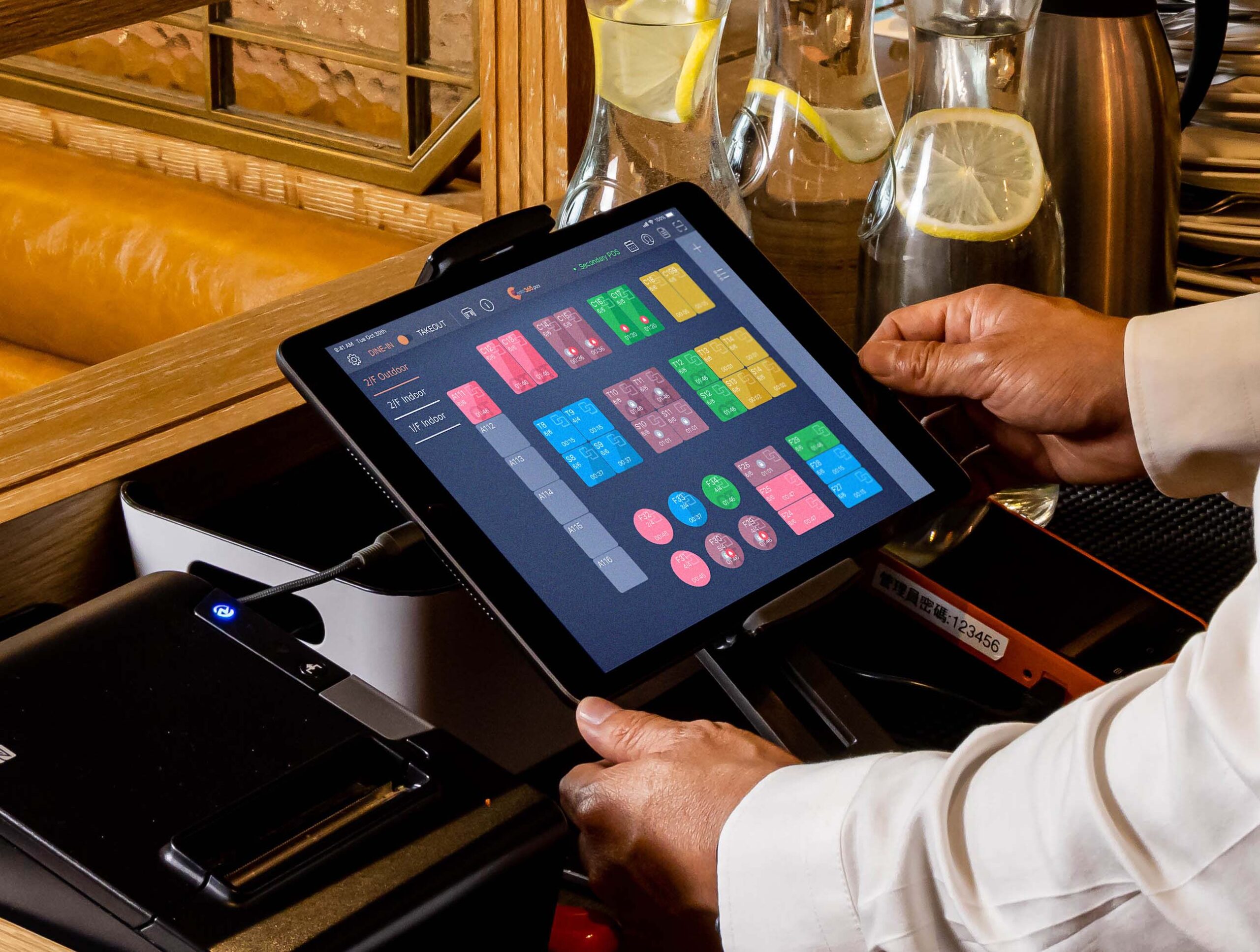
In today’s competitive business environment, decisions can no longer rely on assumptions or gut feelings alone. Every choice—from pricing and inventory to staffing and promotions—needs to be backed by accurate, real-time information. This is where Point of Sale (POS) systems play a vital role. Far beyond processing transactions, modern POS systems act as intelligent business tools that support smarter, faster, and more confident decision-making.
At the core of any POS system is data. Each sale, refund, discount, and payment method is recorded instantly. Over time, this creates a rich database of operational insights. Business owners and managers can clearly see what products sell best, which items move slowly, and how sales fluctuate throughout the day, week, or season. Instead of guessing customer preferences, decisions are guided by actual buying behavior, reducing risk and improving accuracy.
One of the most significant ways POS systems support smarter decisions is through real-time reporting. Traditional manual reports often take days to compile and may contain errors. POS software, on the other hand, generates instant reports that reflect the current state of the business. Managers can quickly evaluate daily performance, compare it with previous periods, and respond immediately if something is off track. This ability to act in real time helps prevent small issues from turning into costly problems.
Inventory management is another area where POS systems enhance decision-making. Overstocking ties up capital, while stock shortages lead to missed sales and unhappy customers. A POS system tracks inventory automatically with every transaction, offering accurate stock levels at all times. Businesses can identify fast-moving products, anticipate reordering needs, and discontinue items that consistently underperform. These data-driven inventory decisions lead to better cash flow and smoother operations.
Staff management also benefits from POS-driven insights. By analyzing sales data alongside shift schedules, managers can determine peak business hours and allocate staff accordingly. This prevents overstaffing during slow periods and understaffing during busy times. Additionally, POS systems can track individual employee performance, helping managers recognize high performers and address training needs. Decisions around scheduling, incentives, and training become fairer and more effective when supported by clear data.
POS systems also improve financial decision-making. Accurate sales records, tax calculations, and payment summaries provide a clear picture of business finances. With reliable financial reports, owners can evaluate profit margins, control expenses, and plan budgets with confidence. This level of financial visibility is especially valuable when making long-term decisions such as expanding operations, introducing new products, or investing in marketing.
Customer behavior insights generated by POS systems further strengthen strategic decisions. Many POS solutions store customer purchase histories, preferences, and visit frequency. This information helps businesses design targeted promotions, loyalty programs, and personalized offers. Instead of running broad campaigns with uncertain results, decisions are tailored to customer habits, increasing engagement and return on investment.
Another advantage of POS systems is consistency in decision-making across teams and locations. When everyone works from the same data source, there is less confusion and fewer conflicting opinions. Managers can align their strategies with overall business goals, ensuring decisions are uniform and well-coordinated. This is particularly important for businesses with multiple outlets or departments.
In conclusion, POS systems play a critical role in smarter decision-making by transforming everyday transactions into actionable insights. They provide real-time visibility, improve accuracy, reduce uncertainty, and support both short-term and long-term planning. By relying on data instead of assumptions, businesses can make informed decisions that drive efficiency, profitability, and sustainable growth. In a data-driven world, a POS system is not just a tool—it is a strategic partner in business success.