The Role of POS Technology in Today’s Digital Economy

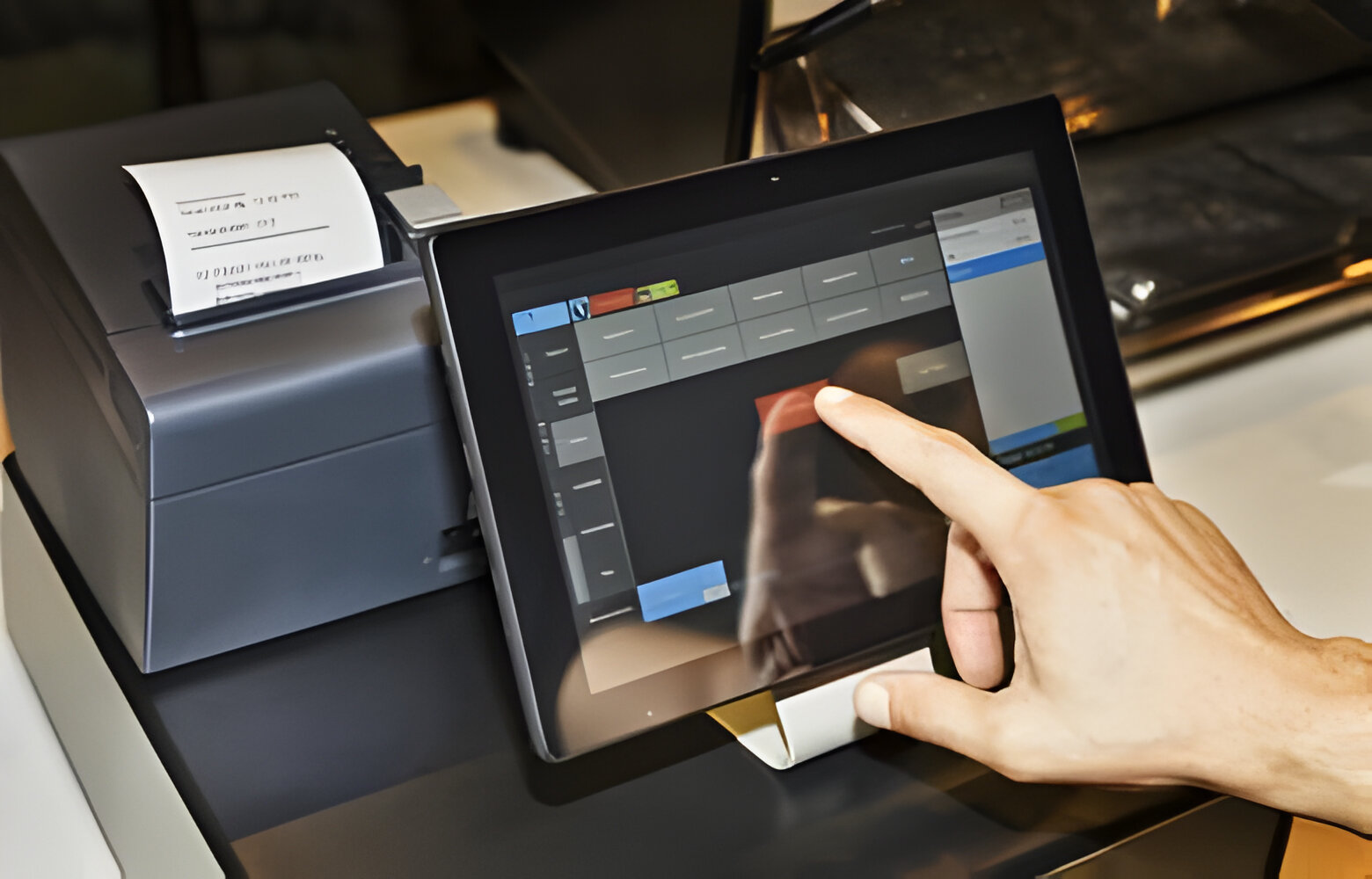
In today’s fast-paced digital economy, businesses are constantly evolving to meet customer expectations, streamline operations, and remain competitive. One of the most significant tools driving this transformation is Point of Sale (POS) technology. Once a simple cash register, the modern POS system has become a powerful, data-driven hub that integrates sales, inventory, analytics, and customer relationship management — all in one platform.
The Evolution of POS Systems
Traditionally, POS systems were limited to processing transactions — calculating totals, printing receipts, and handling payments. However, with the rapid growth of digital technology, cloud computing, and mobile connectivity, POS systems have evolved into comprehensive business management solutions.
Modern POS technology allows businesses to process payments anywhere — from physical stores to pop-up locations and even online. Cloud-based POS systems have eliminated the constraints of location, enabling business owners to access real-time data and manage multiple outlets remotely. This shift has not only increased operational efficiency but also empowered businesses to make smarter, data-driven decisions.
Enhancing Customer Experience
In the digital age, customer experience is everything. Consumers today expect fast, personalized, and seamless interactions — both online and offline. POS technology plays a crucial role in meeting these expectations.
For instance, integrated POS systems can store customer data such as purchase history and preferences. This information helps businesses create tailored promotions, loyalty programs, and personalized recommendations. Moreover, modern POS systems support multiple payment methods — from credit cards and mobile wallets to contactless payments — offering customers flexibility and convenience at checkout.
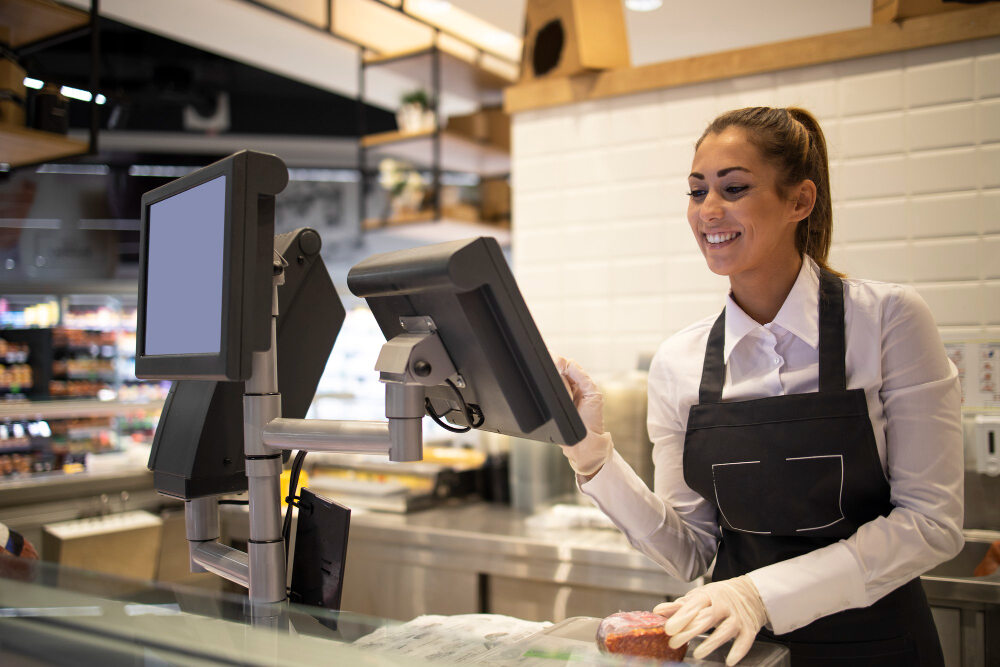
Additionally, speed and accuracy are vital. POS systems minimize human errors, reduce waiting times, and ensure transactions are smooth — all of which contribute to a positive shopping experience that encourages repeat business.
Driving Business Efficiency
Beyond enhancing customer satisfaction, POS systems significantly improve business efficiency. By automating daily operations such as sales tracking, inventory management, and employee performance monitoring, businesses can save valuable time and resources.
For retailers and restaurants, inventory management is one of the most critical aspects of operations. A smart POS system can automatically update stock levels in real-time, alert managers when items are running low, and even forecast future demand based on past sales trends. This reduces the risk of overstocking or stockouts, ensuring that businesses maintain the right balance at all times.
Furthermore, POS systems provide detailed analytics and reporting tools that help business owners identify best-selling products, peak hours, and areas needing improvement. Such insights are essential for making informed strategic decisions and driving long-term growth.
Supporting Omnichannel Growth
As the line between online and offline shopping continues to blur, businesses need to adopt an omnichannel approach — providing a seamless experience across all platforms. POS technology serves as the backbone of this strategy.
Integrated POS systems connect physical stores with e-commerce platforms, ensuring that inventory, pricing, and customer data remain consistent across all channels. This integration enables features such as “buy online, pick up in-store” (BOPIS) and “ship from store,” which have become increasingly popular in today’s retail landscape.
Security and Compliance in the Digital Era
With the rise of digital transactions comes the growing need for security and compliance. Modern POS systems are designed with advanced encryption and secure payment gateways to protect customer information and prevent data breaches. They also ensure compliance with financial regulations and data protection laws, giving both businesses and consumers peace of mind.
Conclusion
In today’s digital economy, POS technology is much more than a transaction tool — it’s a catalyst for business growth and innovation. From enhancing customer experiences to driving operational efficiency, improving inventory management, and enabling omnichannel retailing, modern POS systems empower businesses to stay agile and competitive.
As technology continues to evolve, the role of POS systems will only expand further, integrating artificial intelligence, predictive analytics, and automation to redefine how businesses operate in the digital age. For any business looking to thrive today and in the future, investing in a robust, modern POS system is not just an option — it’s a necessity.