The Secret to Business Growth: POS Systems for Retail and Food Businesses
In today’s competitive market, retail stores and food businesses such as restaurants, cafés, and marts must operate efficiently to stay ahead. One of the most powerful tools driving this efficiency and growth is a modern Point of Sale (POS) system. More than just a billing tool, a POS system has evolved into a complete business management solution that helps owners streamline operations, increase profits, and deliver better customer experiences.
1. Faster and More Efficient Operations
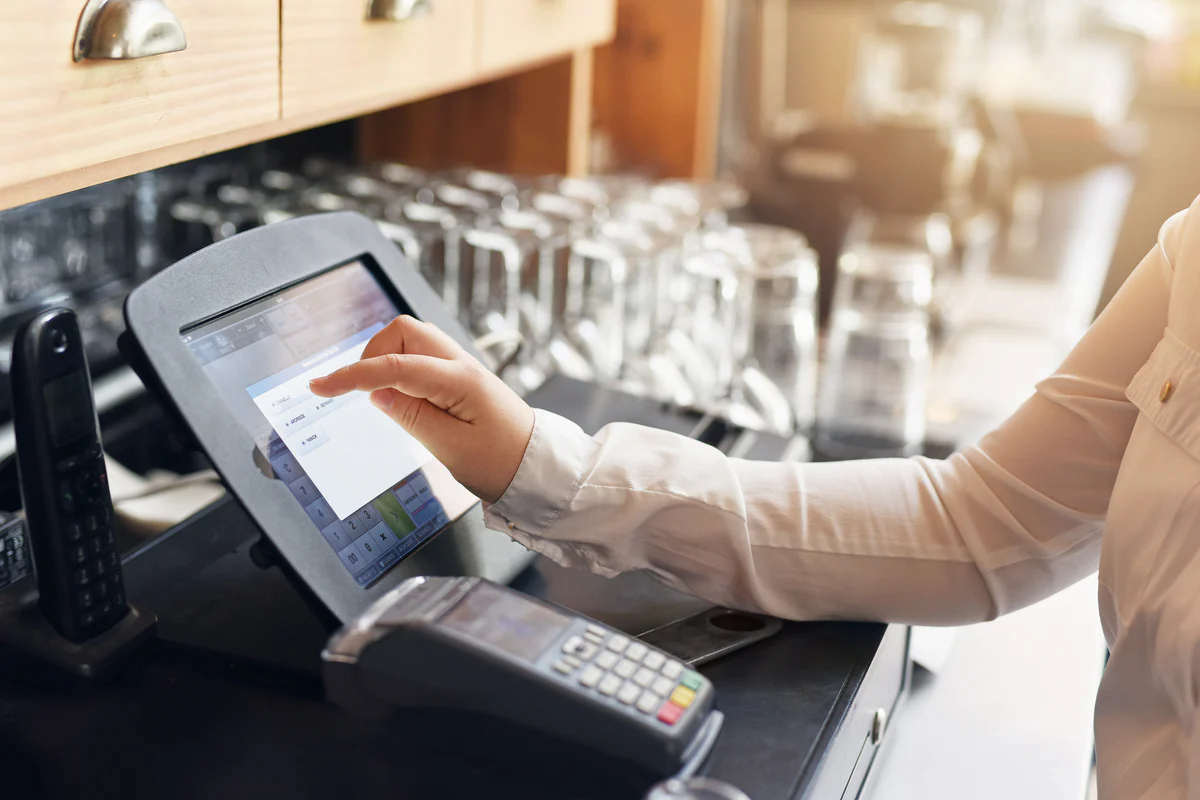
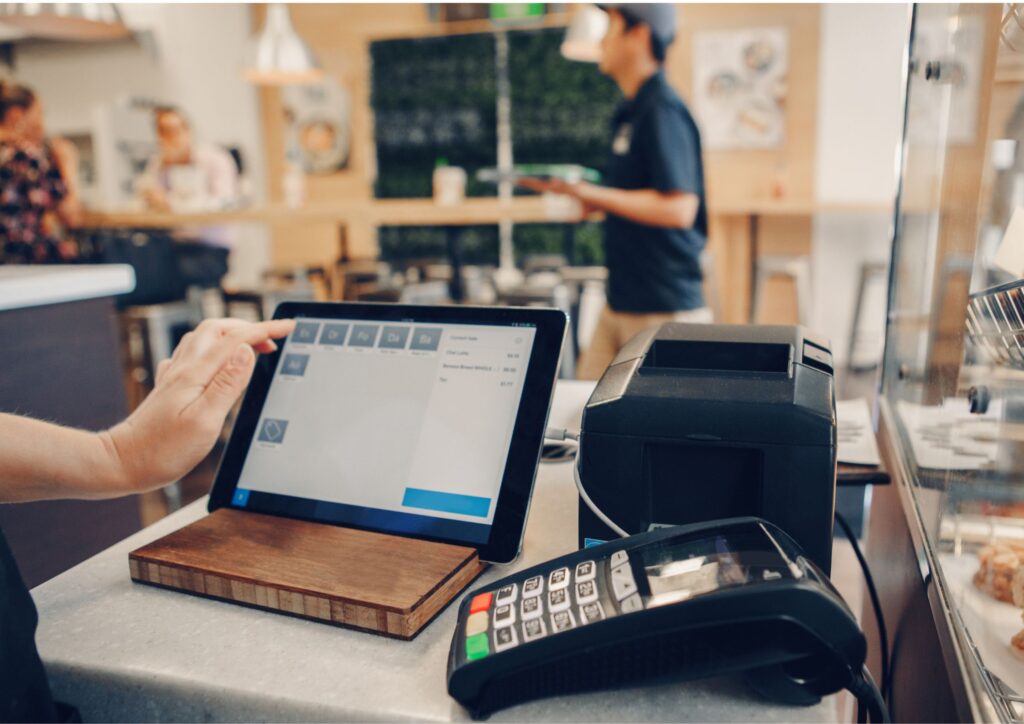
Speed and accuracy are critical in both retail and food businesses. A POS system simplifies the checkout process, reduces human errors, and ensures quick transactions. In restaurants, it allows staff to send orders directly to the kitchen, minimizing delays and improving service quality. In retail stores and marts, barcode scanning and automated billing reduce waiting times and improve customer satisfaction.
2. Better Inventory Management
Managing inventory manually can be time-consuming and prone to errors. A POS system automates inventory tracking, updating stock levels in real time with every sale. This helps business owners know exactly what items are in stock, what’s running low, and what needs to be reordered. For food businesses, this is especially important to avoid wastage of perishable items. For retail and marts, it ensures shelves are always stocked with high-demand products, preventing lost sales opportunities.
3. Data-Driven Decision Making
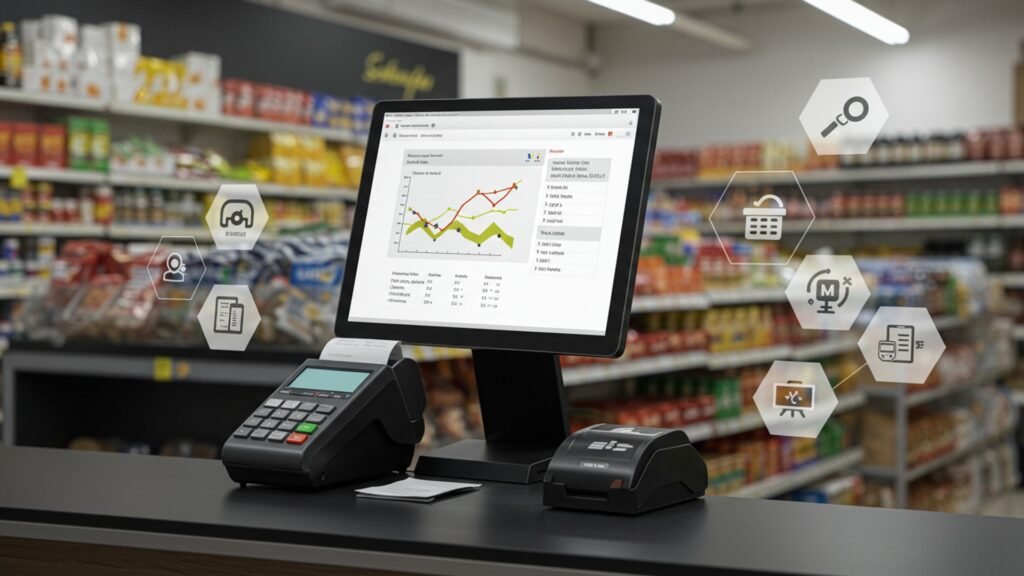
One of the biggest advantages of POS systems is access to detailed reports and analytics. Business owners can track daily sales, peak hours, best-selling items, and customer preferences. These insights help in making smarter decisions, such as adjusting pricing strategies, planning promotions, and optimizing product offerings. Instead of relying on guesswork, businesses can grow based on real data.
4. Improved Customer Experience
Customer satisfaction plays a major role in business growth. POS systems help create a seamless and enjoyable shopping or dining experience. Features like digital receipts, multiple payment options, and loyalty programs enhance convenience for customers. In restaurants, faster service leads to happier diners, while in retail, smooth transactions encourage repeat purchases. Happy customers are more likely to return and recommend the business to others.
5. Streamlined Staff Management
Managing employees becomes easier with a POS system. It can track staff performance, working hours, and sales contributions. This helps business owners identify top-performing employees and areas where improvement is needed. In restaurants, it ensures smooth coordination between front-of-house and kitchen staff. In retail and marts, it helps manage shifts and reduce operational confusion.
6. Reduced Errors and Increased Accuracy
Manual processes often lead to mistakes in billing, stock counting, and reporting. POS systems minimize these errors by automating calculations and record-keeping. Accurate data ensures better financial management and reduces losses caused by incorrect transactions or inventory mismatches.
7. Scalability for Business Expansion
As businesses grow, managing multiple locations or increasing product lines can become challenging. POS systems are scalable, allowing businesses to expand without losing control over operations. Whether opening a new restaurant branch or expanding a retail mart, a POS system ensures consistent processes, centralized data, and easy management.
Conclusion
The secret to business growth in retail and food industries lies in efficiency, accuracy, and customer satisfaction—and a POS system delivers all three. By automating daily operations, providing valuable insights, and improving overall management, POS systems empower businesses to grow smarter and faster.
For restaurant owners and retail mart operators looking to stay competitive and increase profitability, investing in a reliable POS system is no longer optional—it’s essential.