The Value of POS Reports in Monitoring Business Health
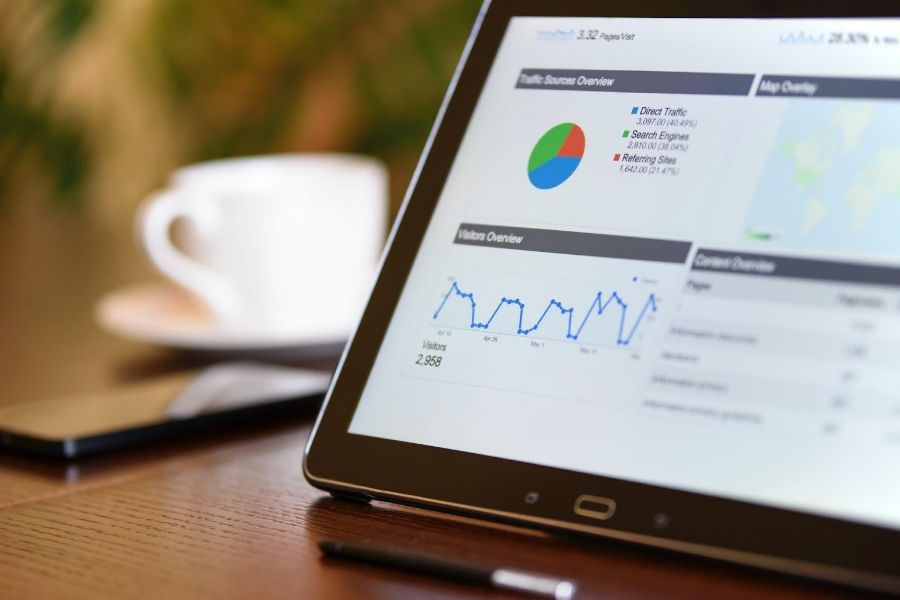
In today’s fast-paced business environment, understanding how your business is performing goes far beyond knowing how much money came in at the end of the day. True business health is measured by consistency, accuracy, trends, and the ability to spot issues before they grow into serious problems. This is where Point of Sale (POS) reports play a critical role. By capturing and organizing transactional data in real time, POS reports provide a clear, reliable picture of overall business health.
At the core of any POS system is data collection. Every sale, refund, discount, and payment method is recorded automatically. Instead of relying on manual logs or spreadsheets that can contain errors, POS reports present structured and accurate information. This accuracy is essential for monitoring revenue flow, identifying unusual patterns, and ensuring daily operations are running as expected. When reports are consistent, business owners can trust the numbers they are using to make decisions.
One of the strongest indicators of business health is sales performance over time. POS reports allow businesses to compare daily, weekly, monthly, and yearly sales with ease. These comparisons help identify growth trends, seasonal fluctuations, or sudden drops in revenue. A consistent decline in certain products or time slots may signal operational issues, pricing concerns, or shifts in customer behavior. On the other hand, steady growth reflected in POS reports confirms that current strategies are working well.
Cash flow is another critical element of business health, and POS reports make it easier to track. By separating cash, card, and digital payments, POS systems help ensure that recorded sales match actual funds received. Any discrepancies can be quickly identified and resolved. This level of clarity helps prevent revenue leakage and strengthens financial discipline, which is vital for long-term sustainability.
POS reports also provide valuable insight into inventory movement. Sales data directly reflects how fast items are selling and which products are underperforming. When inventory-related reports are reviewed regularly, businesses can avoid overstocking slow-moving items and reduce losses caused by expired or obsolete stock. Efficient inventory management, guided by POS data, is a strong sign of a healthy operation.
Employee performance is another area where POS reports offer meaningful insight. Shift-wise and user-based reports show how transactions are handled throughout the day. These reports help identify training gaps, productivity levels, and inconsistencies in order processing. When staff performance aligns with sales and service standards, it reflects operational stability and a healthy workplace environment.
Customer behavior trends are also revealed through POS reporting. Information such as peak hours, popular products, and average transaction value helps businesses understand how customers interact with their offerings. This insight supports better scheduling, menu or product optimization, and promotional planning. A business that adapts to customer preferences using POS reports is better positioned to maintain long-term health.
Another important advantage of POS reports is their role in early problem detection. Irregular discounts, frequent refunds, or sudden drops in average order value can all signal issues that need attention. Without POS reporting, these warning signs may go unnoticed until they cause significant damage. Regularly reviewing reports allows business owners to act proactively rather than reactively.
Finally, POS reports support strategic planning by providing a reliable foundation for future decisions. Whether planning expansion, adjusting pricing, or controlling costs, having accurate historical data is essential. Businesses that monitor their health through POS reports are better equipped to make informed decisions and adapt to changing conditions.
In conclusion, POS reports are far more than simple sales summaries. They are powerful tools for monitoring revenue, cash flow, inventory, staff performance, and customer behavior. By offering clear visibility into daily operations and long-term trends, POS reports help businesses stay balanced, resilient, and prepared for growth. Regular analysis of POS data is not just good practice—it is essential for maintaining strong and sustainable business health.