Title: How POS Systems Simplify Restaurant Management
Running a restaurant is no easy task. From handling daily orders and managing staff to tracking inventory and keeping customers happy, restaurant owners juggle countless responsibilities. Thankfully, technology has evolved to make this process smoother and more efficient — and at the heart of this digital transformation lies the Point of Sale (POS) system. A modern POS system is no longer just a tool for billing; it’s a powerful restaurant management solution that simplifies operations, saves time, and helps businesses grow faster.
1. Streamlined Order Management
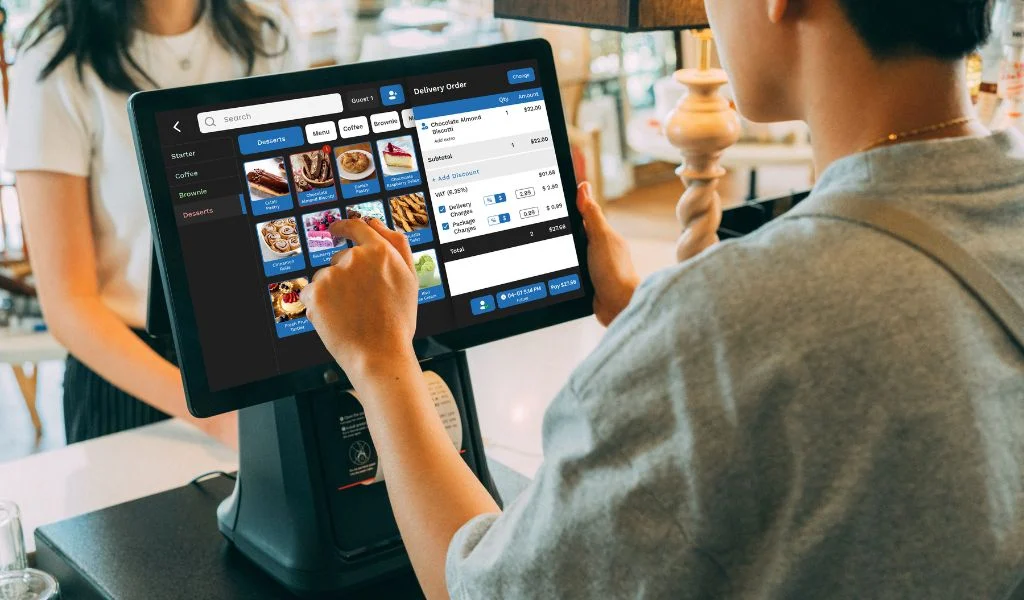
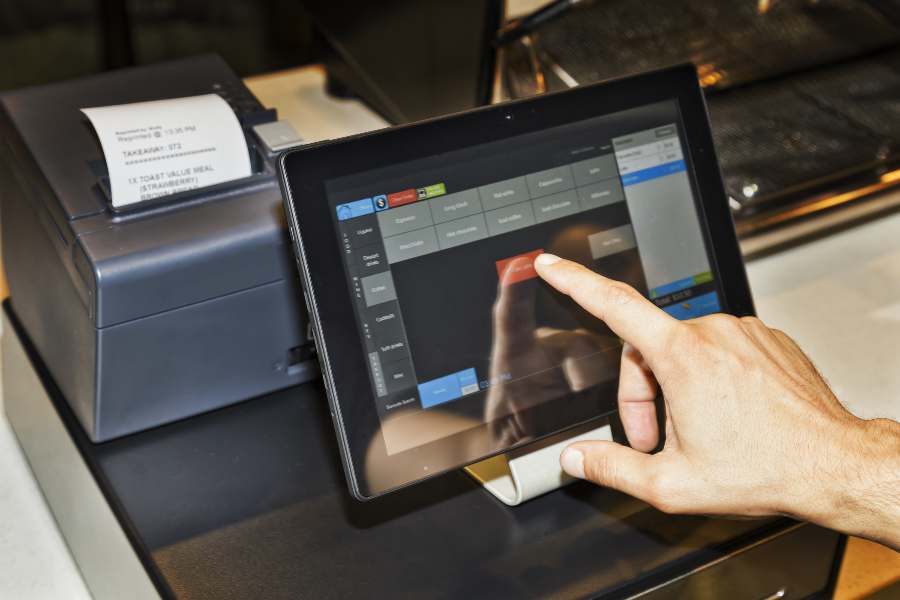
One of the biggest challenges in restaurant management is ensuring accuracy and speed in taking and processing orders. A POS system automates this process, allowing staff to quickly input orders directly into the system — whether it’s dine-in, takeaway, or delivery. These orders are instantly sent to the kitchen display or printer, reducing human error and improving order accuracy.
With a POS, waitstaff don’t have to run back and forth between the dining area and the kitchen. This leads to faster service, fewer mix-ups, and happier customers. For busy restaurants and cafes, that efficiency makes a huge difference in customer satisfaction and overall productivity.
2. Smarter Inventory Control
Managing inventory manually can be time-consuming and prone to mistakes. POS systems simplify this by automatically tracking stock levels as sales are made. For example, when a customer orders a burger, the system deducts the ingredients used from inventory in real-time.
This automation helps restaurant owners avoid over-ordering or running out of key ingredients during peak hours. Some advanced POS systems even generate alerts when stock is running low, allowing you to reorder just in time. The result? Less food waste, better cost control, and a smoother kitchen operation.
3. Efficient Staff Management
A POS system doesn’t just serve customers — it also helps manage your team. Staff can clock in and out through the system, allowing managers to track attendance, working hours, and performance easily. This eliminates the need for manual timekeeping and reduces payroll errors.
Additionally, POS data helps identify which staff members perform best during busy hours or who needs additional training. With this insight, restaurant owners can make smarter scheduling decisions and ensure they always have the right number of team members on duty.
4. Real-Time Sales Tracking and Reporting
A major benefit of POS systems is the ability to track every transaction and generate detailed sales reports instantly. You can see which menu items are selling the most, identify slow-moving products, and compare performance across different time periods.
These insights help restaurant owners make data-driven decisions — whether it’s updating the menu, adjusting pricing, or running promotions on popular items. With cloud-based POS systems, you can even monitor your restaurant’s performance remotely from your phone or laptop, giving you full control wherever you are.
5. Simplified Payment and Billing
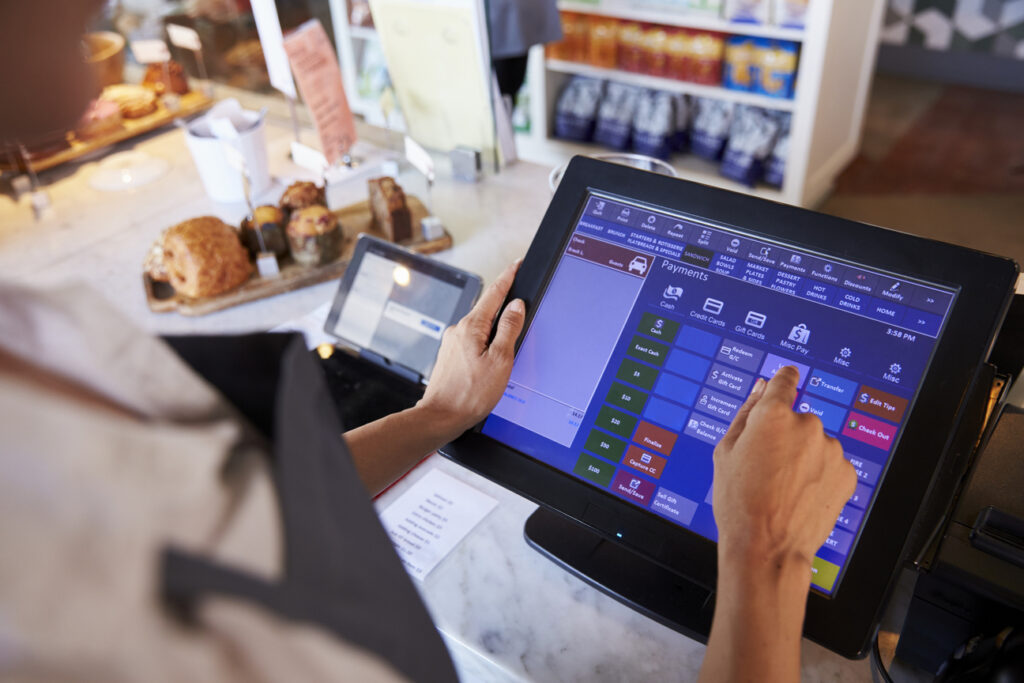
A POS system makes billing and payment seamless. It allows restaurants to accept multiple payment methods — from cash and cards to mobile wallets and QR codes. Split billing, tips, and refunds can also be handled easily through the POS interface.
This convenience not only improves customer experience but also speeds up table turnover, which is essential during rush hours. Every transaction is recorded automatically, ensuring accurate financial records and easy reconciliation at the end of the day.
6. Better Customer Relationship Management (CRM)
POS systems also help restaurants build stronger relationships with customers. Many modern systems come with CRM features that track customer preferences, purchase history, and feedback.
This data allows restaurants to offer personalized promotions, loyalty rewards, or targeted marketing campaigns. For example, you can send special discounts to frequent diners or offer birthday deals — small touches that encourage repeat visits and increase customer loyalty.
7. Centralized Control for Multi-Location Businesses
For restaurant owners managing multiple branches, a POS system provides centralized control. You can monitor sales, inventory, and staff activity across all locations in one dashboard. This simplifies management, ensures consistency, and saves hours of manual coordination between outlets.
Conclusion
In today’s fast-paced food industry, efficiency is everything. A POS system simplifies restaurant management by integrating every aspect of your business — from order taking and inventory to payments and performance tracking — into one smart platform.
By investing in a reliable POS system, restaurant owners not only reduce workload but also gain the insights and tools needed to make better decisions, boost productivity, and deliver an exceptional dining experience. In short, the right POS doesn’t just simplify restaurant management — it helps your business grow.