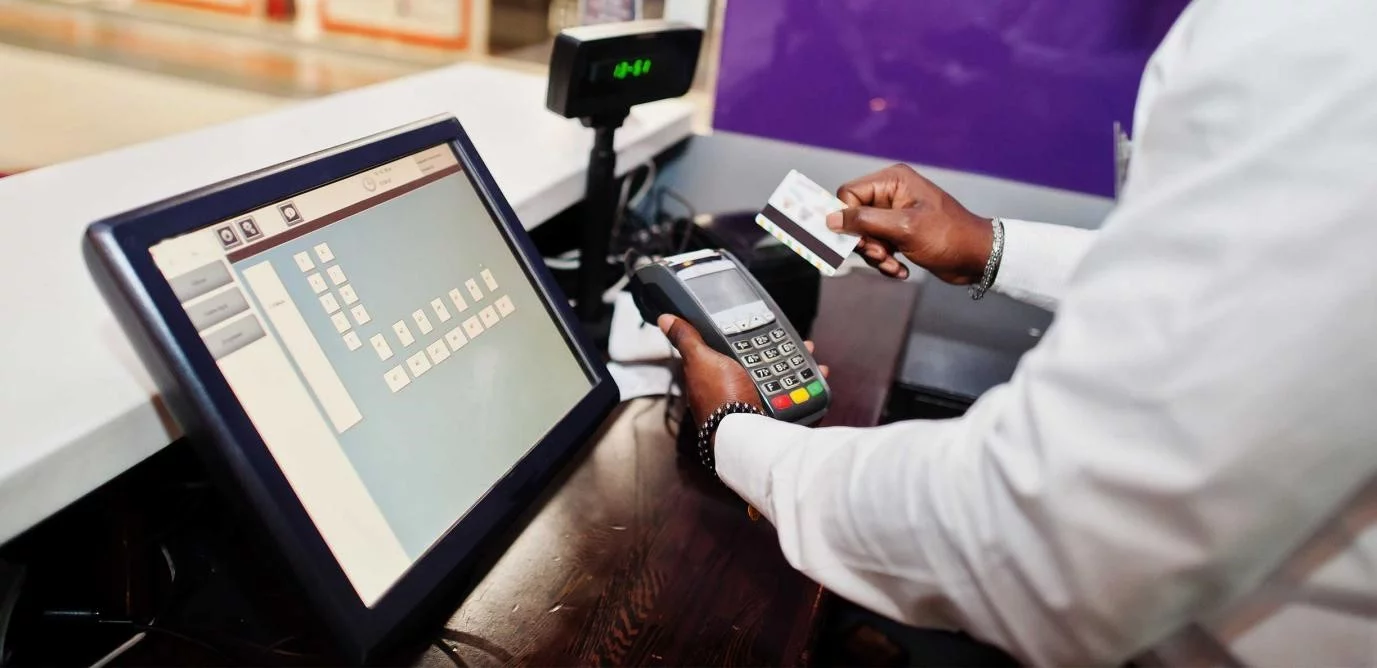
Everything You Need to Know About POS Refunds and Returns
Handling refunds and returns is a normal part of running any retail, hospitality, or service business. Whether a customer returns a damaged item, requests an exchange, or needs a refund for an incorrect purchase, having a reliable Point of Sale (POS) system makes the entire process faster, more accurate, and easier to manage.
Modern POS systems do much more than process sales; they also help businesses handle refunds and returns efficiently while keeping inventory, sales records, and financial reports accurate. In this guide, we’ll explain how POS refunds and returns work, why they matter, and how your business can benefit from a streamlined return process.

What Are POS Refunds and Returns?
A POS refund or return is the process of reversing a completed sale through your Point of Sale system. Depending on your business policy, this may include:
- Full refunds
- Partial refunds
- Product exchanges
- Store credit
- Refunds to the original payment method
Instead of manually adjusting inventory or recording transactions, a modern POS system automatically updates your sales data, inventory levels, and reports.
Why Efficient Refund Management Matters
Customers expect returns to be quick and hassle-free. A complicated refund process can damage your reputation and reduce customer loyalty.
An effective POS system helps businesses:
- Process refunds quickly
- Reduce human errors
- Maintain accurate inventory
- Track refund history
- Improve customer satisfaction
- Prevent fraudulent returns
A smooth refund experience can turn a dissatisfied customer into a loyal one.
How POS Refunds and Returns Work
Although every POS system is slightly different, the refund process generally follows these steps:
1. Locate the Original Transaction
Staff can search for the original sale using:
- Receipt number
- Order number
- Customer details
- Transaction history
- Barcode
This ensures the correct transaction is selected.
2. Verify the Return
The employee checks:
- Purchase date
- Product condition
- Return eligibility
- Store return policy
Many POS systems make this information available instantly.
3. Process the Refund or Exchange
Depending on the situation, staff can:
- Refund the full amount
- Refund part of the purchase
- Exchange the product
- Issue store credit
The refund can usually be returned to the customer’s original payment method.
4. Update Inventory Automatically
Once the return is completed, the POS system updates stock levels automatically if the item is returned to inventory.
This removes the need for manual stock adjustments.
5. Record the Transaction
Every refund is recorded in sales reports and transaction history, making auditing and financial reporting much easier.
Benefits of Using a POS System for Refunds and Returns
Faster Customer Service
Employees can complete refunds in just a few steps, reducing waiting times and improving the customer experience.
Accurate Inventory Tracking
Returned items are automatically added back into inventory (when applicable), ensuring stock levels remain accurate.
Better Financial Reporting
Refund transactions are included in daily, weekly, and monthly reports, giving business owners a clear picture of sales performance.
Reduced Human Error
Automation eliminates mistakes that often occur with manual refund processes.
Fraud Prevention
Modern POS systems record every refund, including:
- Employee who processed it
- Date and time
- Original transaction
- Payment method
- Refund amount
This creates a complete audit trail and helps reduce fraudulent activity.
Common Refund Challenges
Even with a POS system, businesses may face challenges such as:
Missing Receipts
Customers may not always have proof of purchase. Many POS systems allow staff to search transaction history using customer details or payment information.
Incorrect Refund Amounts
Without proper controls, staff may accidentally refund the wrong amount. POS systems help minimise these errors by linking refunds to the original transaction.
Inventory Discrepancies
If returns aren’t recorded correctly, stock counts become inaccurate. Automatic inventory updates help prevent this issue.
Multiple Payment Methods
Customers may pay using a combination of cash, EFTPOS, gift cards, or store credit. A quality POS system can accurately process refunds based on the original payment method.
Best Practices for Managing POS Refunds and Returns
To keep your refund process efficient:
- Create a clear return policy.
- Train staff on refund procedures.
- Require manager approval for high-value refunds.
- Record every refund through the POS system.
- Review refund reports regularly.
- Monitor unusual refund activity.
- Keep inventory synchronised after every return.
Following these practices improves operational efficiency while reducing potential losses.
Choosing the Right POS System
When selecting a POS solution, look for features such as:
- Fast refund processing
- Partial refund support
- Product exchanges
- Store credit management
- Automatic inventory updates
- Refund reporting
- Customer purchase history
- Secure user permissions
- Integrated EFTPOS support
- Real-time cloud reporting
These features make refund management simpler and provide better visibility into your business operations.
Final Thoughts
Understanding POS refunds and returns is essential for businesses that want to provide excellent customer service while maintaining accurate inventory and financial records. A modern POS system simplifies the entire process, from locating the original transaction to updating stock and generating detailed reports.
Whether you operate a retail store, café, restaurant, grocery store, or service business, investing in a POS system with strong refund and return capabilities can save time, reduce errors, and improve customer satisfaction.
If you’re looking for a reliable POS solution that makes refunds, returns, reporting, and inventory management simple, Dibtech POS offers the tools businesses need to manage transactions confidently and efficiently.