Why Businesses Rely on POS for Accurate Customer Reports

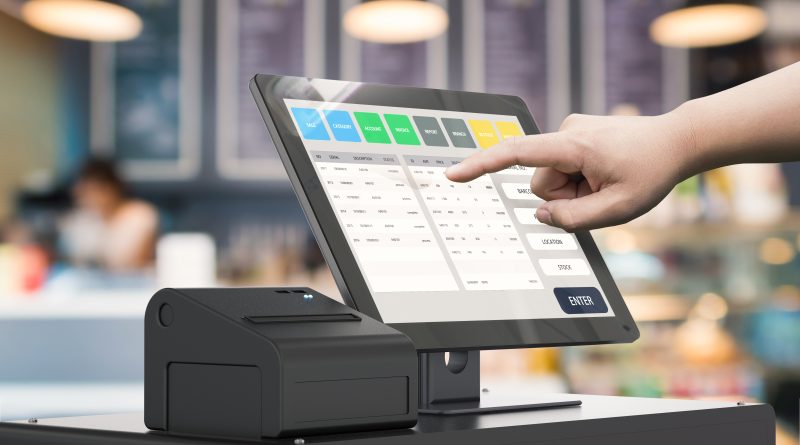
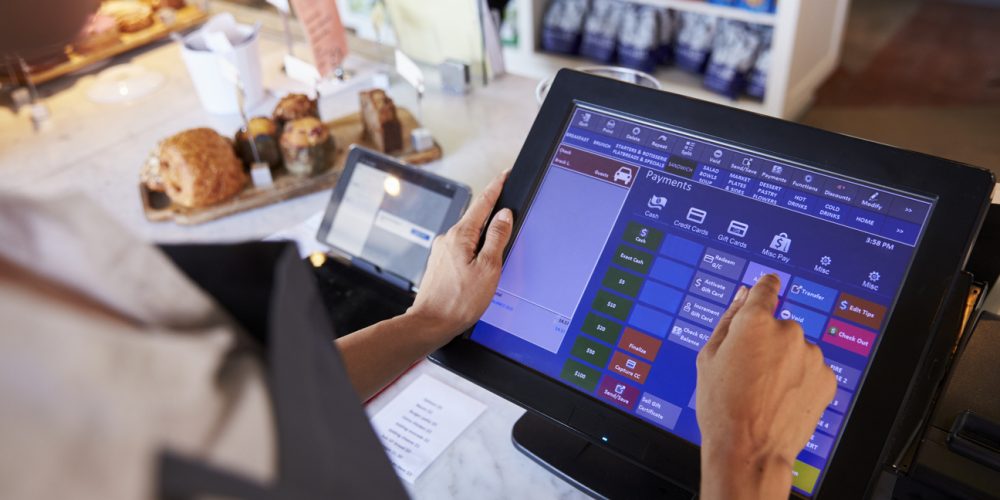
In today’s competitive business environment, understanding customers is just as important as delivering quality products or services. Whether it’s a restaurant, barbershop, retail store, or service-based business, accurate customer information helps guide better decisions. This is where modern Point of Sale (POS) systems play a crucial role. Beyond processing transactions, POS platforms provide reliable customer reporting that supports smarter strategies, improved engagement, and long-term growth.
Turning Daily Transactions Into Meaningful Insights
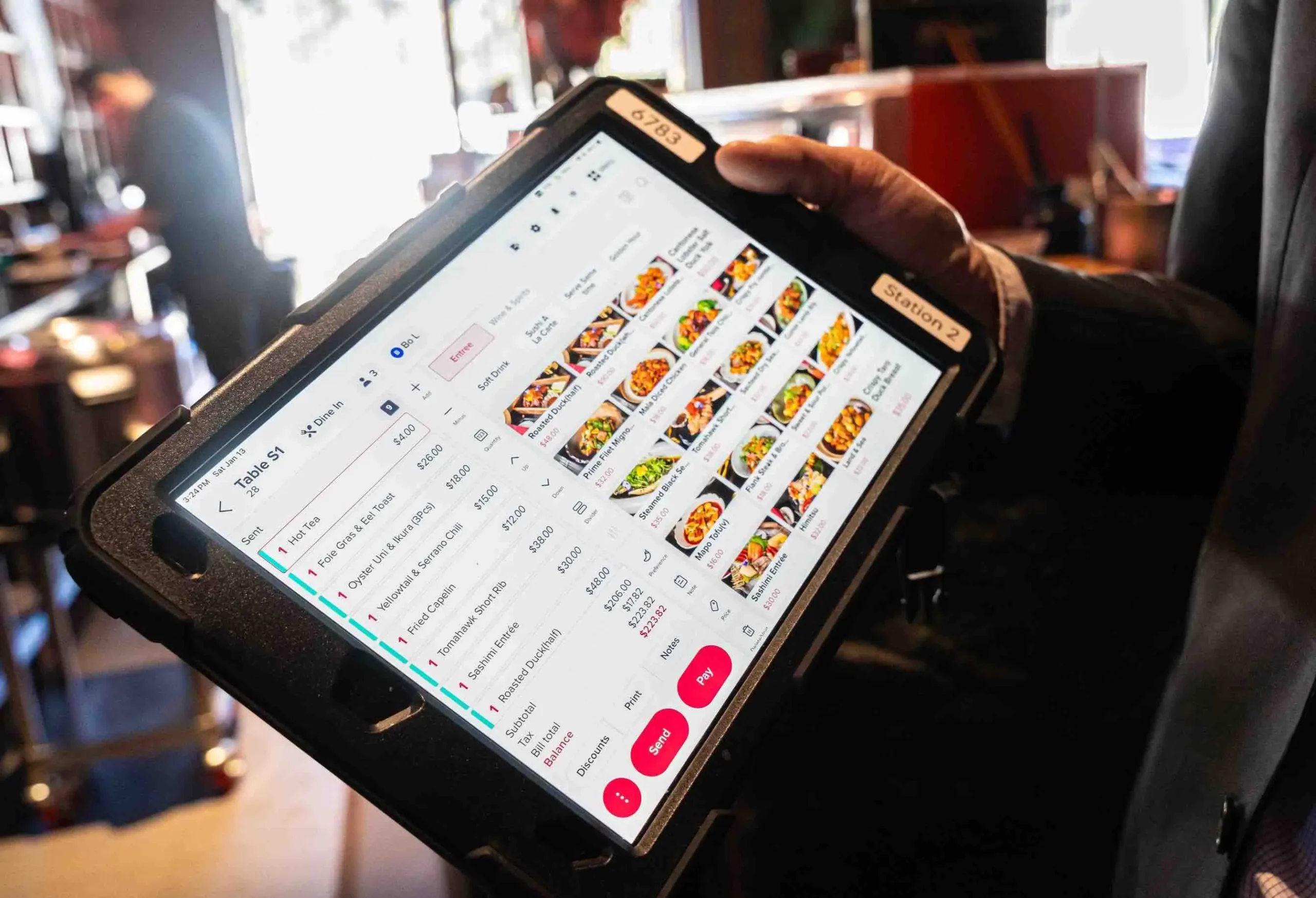
Every interaction at the checkout contains valuable data. A POS system captures details such as purchase history, visit frequency, and spending patterns automatically. Instead of relying on manual records or assumptions, businesses gain structured reports that reveal how customers interact with their offerings. This accuracy allows managers to identify popular items, peak activity periods, and customer preferences without guesswork.
When reports are generated directly from real-time transaction data, they reflect the actual behavior of customers rather than estimates. This creates a dependable foundation for planning inventory, promotions, or staffing, ensuring decisions align with real-world trends.
Improving Customer Relationship Strategies
Accurate customer reports allow businesses to move beyond one-size-fits-all service approaches. With POS-generated insights, companies can group customers by behavior, preferences, or purchase frequency. This segmentation helps tailor marketing messages, reward loyal visitors, and address shifting expectations effectively.
For example, businesses can track repeat visits and create targeted offers that encourage continued engagement. Instead of generalized promotions, they can develop strategies based on verified data, making communication more relevant and impactful. Over time, this builds stronger customer relationships and enhances satisfaction.
Supporting Transparency and Consistency
Consistency is key when evaluating performance and customer activity. POS systems ensure reporting is standardized across all transactions, reducing human error associated with manual tracking. With automated data collection, businesses maintain clear records that are easy to review and compare over time.
Accurate reporting also improves internal transparency. Team members can access shared insights that align everyone around the same information. This reduces confusion, ensures accountability, and helps maintain a unified approach to customer service and planning.
Enabling Real-Time Decision Making
Traditional reporting methods often involve delays, but POS systems provide immediate access to updated data. Managers can review reports as activity occurs, allowing faster responses to changes in customer behavior. If trends shift or demand fluctuates, adjustments can be made promptly.
Real-time visibility also enhances responsiveness during busy periods or promotional campaigns. Instead of waiting for end-of-day summaries, businesses can monitor engagement and outcomes as they happen. This agility strengthens operational efficiency and keeps decision-making proactive rather than reactive.
Enhancing Long-Term Planning
Reliable customer reports are not only useful for daily adjustments; they also contribute to long-term strategy. By analyzing patterns over weeks or months, businesses can forecast demand, refine service offerings, and allocate resources more effectively. POS systems store historical data that helps reveal recurring trends, providing context for future initiatives.
With consistent and accurate records, organizations can measure progress objectively. This supports goal setting, performance evaluation, and continuous improvement, ensuring that customer-focused strategies evolve based on factual insights rather than assumptions.
Conclusion
Businesses rely on POS systems for accurate customer reports because they transform routine transactions into actionable intelligence. By capturing detailed data, minimizing errors, and providing real-time visibility, these platforms empower organizations to understand their audience more deeply. The result is improved decision-making, stronger relationships, and strategic growth built on reliable information.