Why POS Systems Are Crucial for Operational Accuracy

Operational accuracy is one of the most important factors in running a successful business. From pricing and billing to inventory and reporting, even small errors can lead to financial losses, customer dissatisfaction, and internal confusion. As businesses grow and transaction volumes increase, maintaining accuracy through manual processes becomes increasingly difficult. This is where POS systems play a vital role, acting as a reliable foundation for precise and consistent operations.
One of the primary ways POS systems improve operational accuracy is by automating calculations. Manual billing often leads to mistakes in totals, taxes, and discounts, especially during busy hours. POS systems automatically calculate prices and apply predefined rules, ensuring every transaction follows the same logic. This eliminates guesswork and prevents discrepancies that could otherwise impact revenue or customer trust.
Pricing consistency is another critical area where POS systems make a significant difference. In businesses with multiple products, frequent price changes, or ongoing promotions, keeping prices accurate across all transactions can be challenging. POS software stores pricing centrally, ensuring that every item is billed correctly regardless of who processes the sale. This uniformity protects margins and ensures customers are charged fairly every time.
Inventory accuracy is equally important for smooth operations. POS systems update stock levels in real time as sales occur, providing a precise view of available inventory. This prevents issues such as overselling, stock mismatches, or inaccurate purchase planning. Accurate inventory data helps businesses restock on time, reduce wastage, and avoid disruptions caused by unexpected shortages.
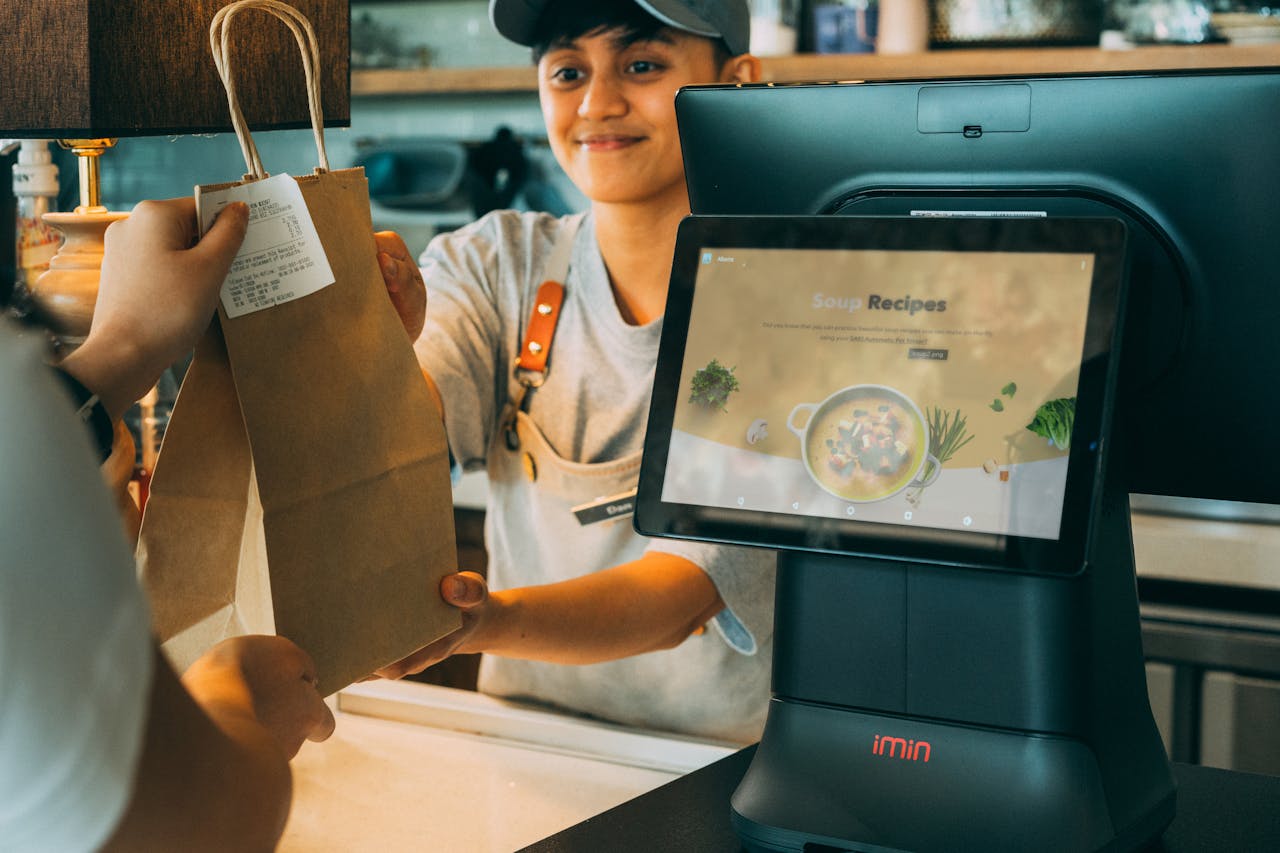
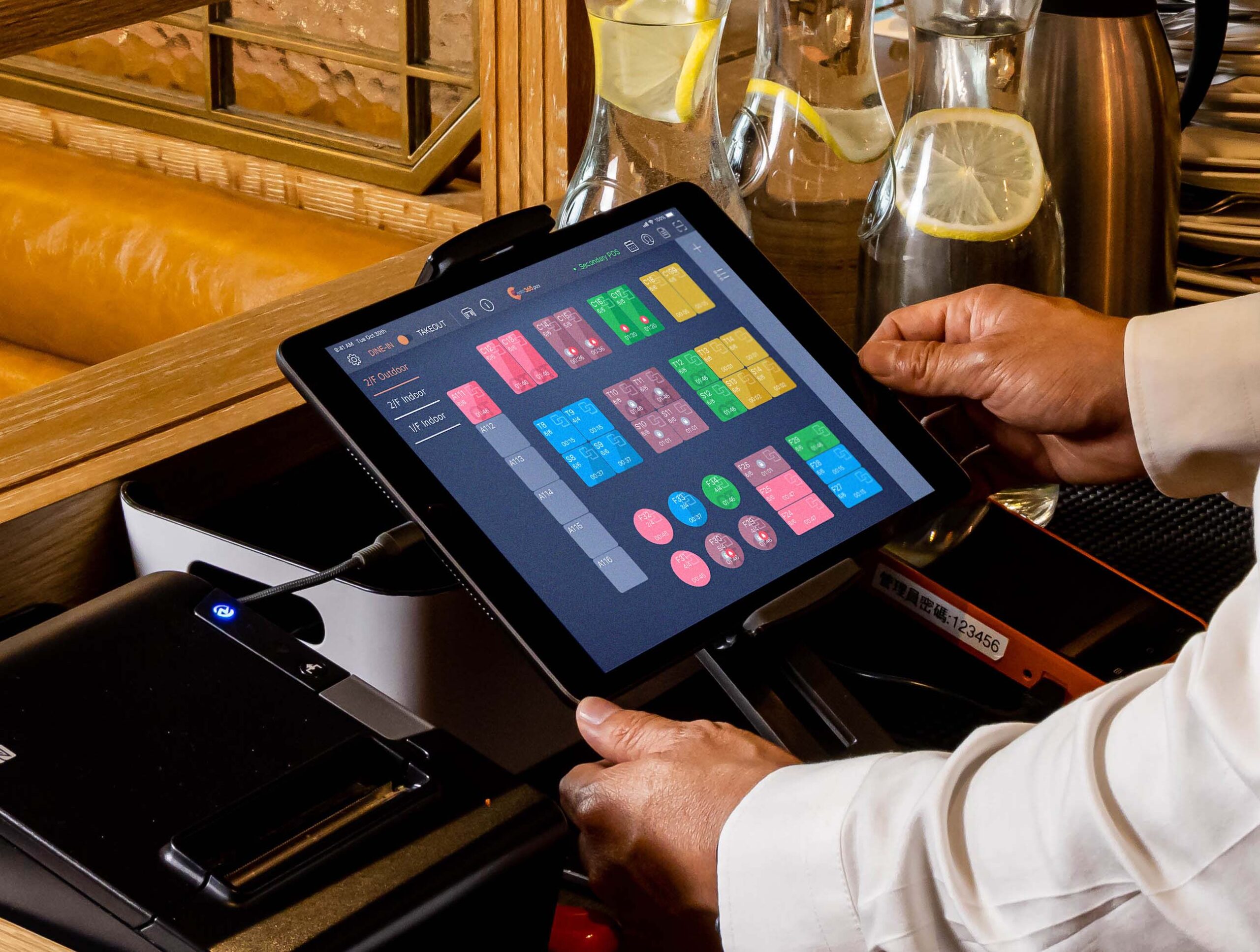
POS systems also enhance accuracy in order processing. In environments like restaurants, retail stores, and service businesses, miscommunication between departments can lead to incorrect or delayed orders. POS systems transmit order details directly to the relevant teams, minimizing manual handoffs. Clear, automated order flow reduces errors, speeds up fulfillment, and improves overall service reliability.
Employee-related accuracy is another key advantage. POS systems track individual transactions, shifts, and activities, creating transparency across operations. This reduces the chances of unauthorized actions, duplicate entries, or missing records. Clear accountability encourages careful handling of transactions and ensures internal processes remain accurate and auditable.
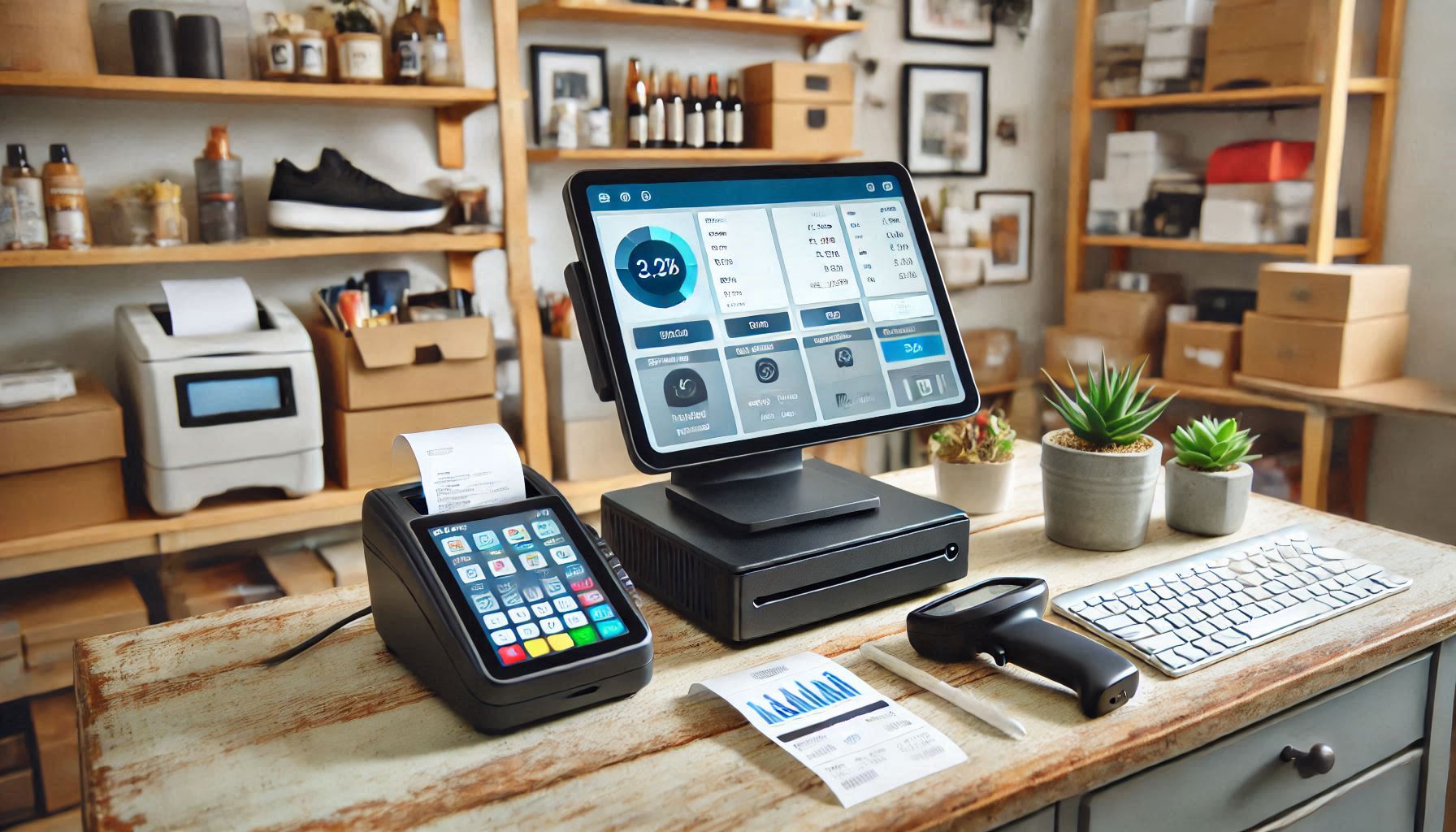
Reporting accuracy is essential for informed decision-making, and POS systems excel in this area. By recording every transaction digitally, POS software generates precise sales, tax, and performance reports. These reports eliminate the inconsistencies often found in manually prepared summaries. Accurate reporting helps business owners analyze trends, monitor performance, and plan confidently based on reliable data.
Cash management accuracy is also strengthened through POS systems. Manual cash handling increases the risk of miscounts, shortages, or reconciliation issues. POS software tracks all payment methods, including cash, cards, and digital wallets, and provides clear end-of-day summaries. This structured tracking simplifies reconciliation and reduces financial discrepancies.
Another often overlooked benefit is process standardization. POS systems enforce consistent workflows for billing, refunds, discounts, and returns. Standard procedures reduce variation in how tasks are performed, making operations more predictable and accurate. This is especially important for businesses with multiple staff members or locations, where consistency can otherwise be difficult to maintain.
Finally, POS systems reduce dependency on memory and manual supervision. Automated records, alerts, and logs ensure that critical details are captured accurately without constant oversight. This allows managers to focus on strategic decisions rather than correcting avoidable errors.
In conclusion, POS systems are crucial for operational accuracy because they replace manual uncertainty with automated precision. By ensuring accurate billing, inventory tracking, reporting, cash management, and standardized processes, POS software helps businesses operate with confidence and reliability. In a competitive environment where accuracy directly affects profitability and reputation, POS systems serve as an essential tool for long-term operational success.