Why POS Systems Are Essential for Competitive Businesses
In today’s fast-paced and highly competitive market, businesses must constantly evolve to stay ahead. Whether it’s a retail mart or a busy restaurant, efficiency, accuracy, and customer satisfaction play a major role in long-term success. One of the most powerful tools helping businesses achieve these goals is a Point of Sale (POS) system. More than just a billing solution, modern POS systems have become essential for businesses aiming to remain competitive and grow.
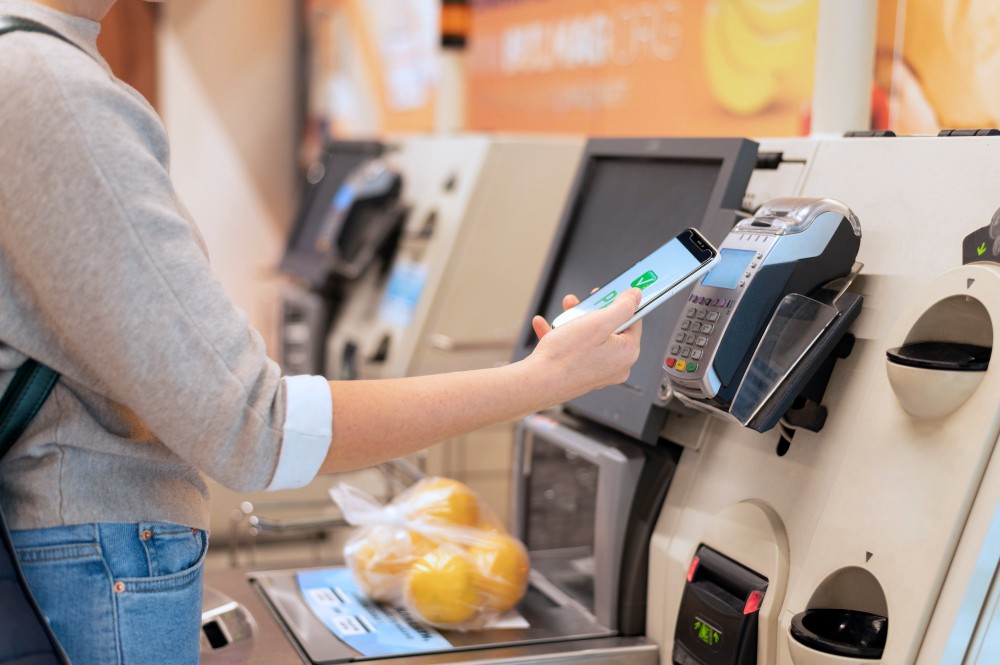
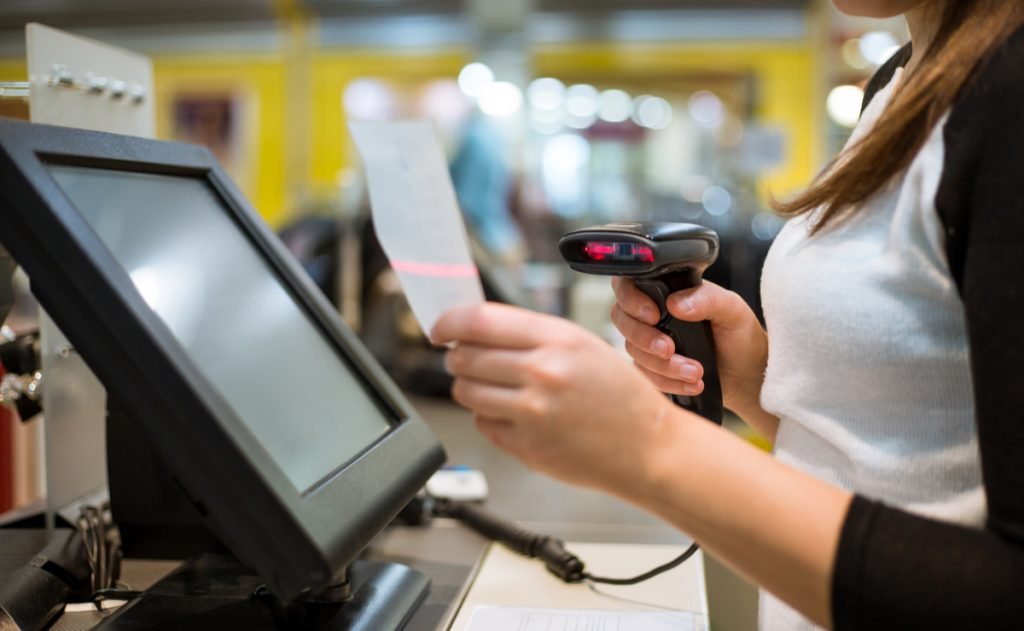
A POS system serves as the central hub for all business operations. It handles transactions quickly and accurately, reducing human errors that are common with manual billing. Faster checkouts not only improve efficiency but also enhance the customer experience. In restaurants, this means quicker table turnover, and in retail stores, it results in shorter queues—both of which directly impact customer satisfaction and sales.
Beyond transactions, POS systems provide real-time insights into business performance. Business owners can track sales, monitor popular items, and identify trends instantly. This data-driven approach allows businesses to make smarter decisions. For example, a restaurant can quickly identify its best-selling dishes and focus on promoting them, while a mart can optimize its inventory based on customer demand. Without such insights, businesses often rely on guesswork, which can lead to missed opportunities.
Inventory management is another critical area where POS systems make a significant difference. Managing stock manually can be time-consuming and prone to errors. A POS system automates this process by updating inventory levels in real time with every sale. This helps prevent overstocking or running out of popular items. For competitive businesses, maintaining the right balance in inventory is crucial to avoid losses and ensure customer needs are always met.
Customer relationship management is also greatly improved with POS systems. Many modern systems store customer data, including purchase history and preferences. This allows businesses to offer personalized experiences, such as targeted promotions, loyalty programs, and discounts. When customers feel valued and understood, they are more likely to return, giving businesses a competitive edge in retaining loyal customers.
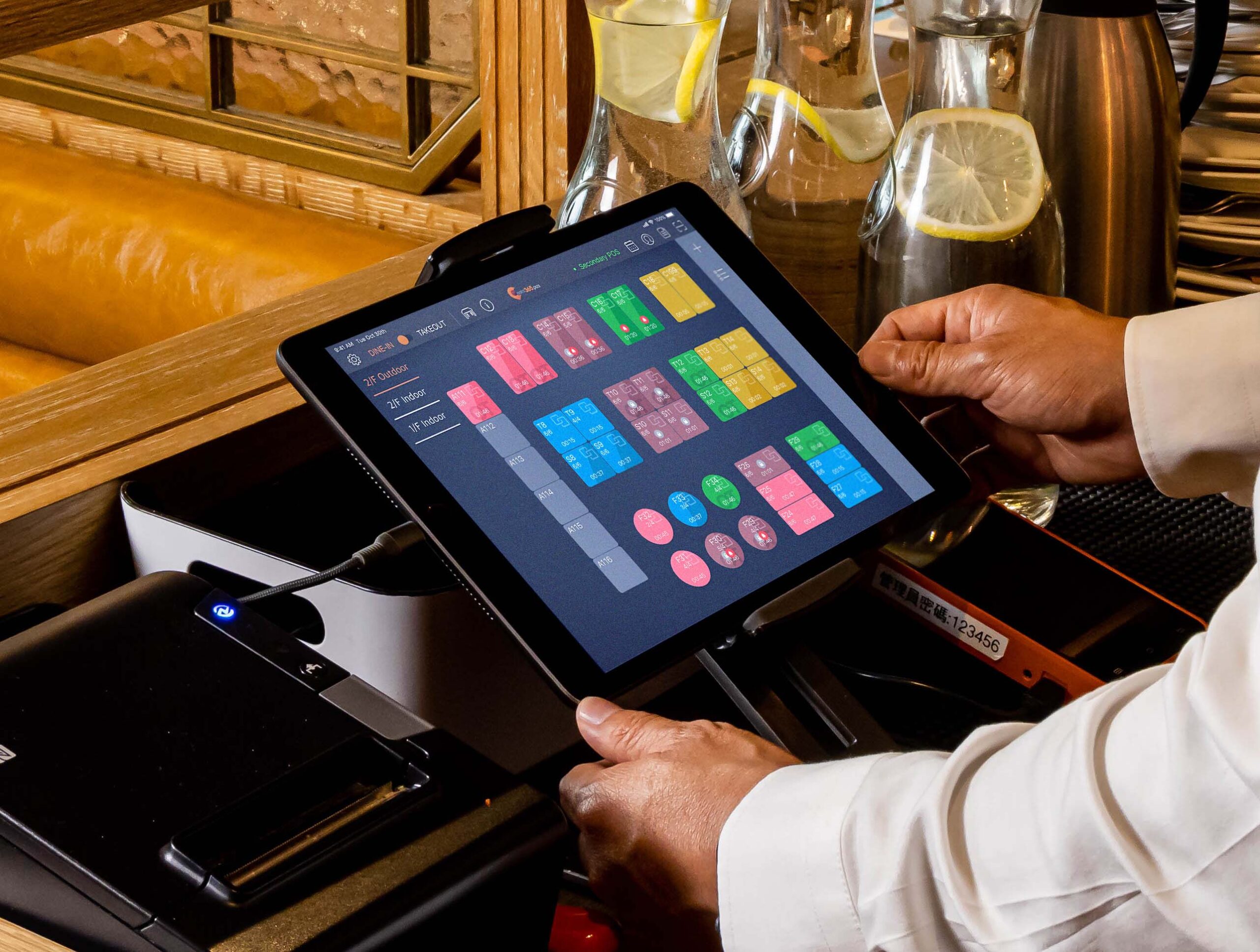
Another major advantage of POS systems is improved staff productivity. With automated processes, employees spend less time on manual tasks and more time focusing on customer service. In restaurants, orders can be sent directly from the POS to the kitchen, reducing communication errors and speeding up service. In retail, employees can quickly check product availability and assist customers more efficiently. This streamlined workflow not only boosts productivity but also creates a more professional and organized work environment.
Financial management becomes much simpler with a POS system. It generates detailed reports on sales, expenses, and profits, helping business owners understand their financial health at a glance. This transparency is essential for planning future strategies and ensuring sustainable growth. Additionally, accurate records make tax calculations and audits much easier to handle.
Security is another key factor that makes POS systems essential. They reduce the risk of theft and fraud by maintaining accurate transaction records and restricting unauthorized access. Business owners can monitor activities and ensure accountability, which is especially important in high-volume environments like marts and restaurants.
In a competitive business landscape, staying ahead requires more than just good products or services. It demands efficiency, adaptability, and the ability to make informed decisions. POS systems bring all these elements together, making them a vital tool for modern businesses. By improving operations, enhancing customer experience, and providing valuable insights, POS systems empower businesses to compete effectively and achieve long-term success.