Why POS Systems Are Essential for Handling Business Complexity
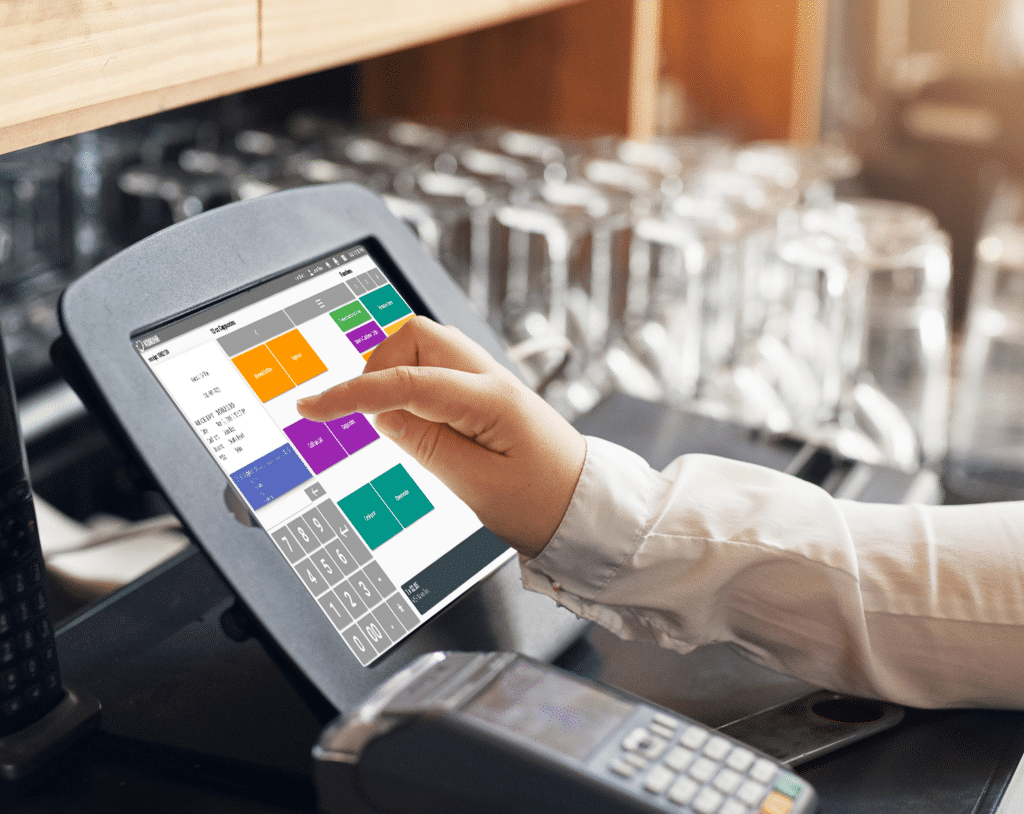
As businesses grow and customer expectations rise, daily operations become more complex. What once involved simple billing and basic record-keeping now includes managing multiple products, tracking inventory, handling different payment methods, supervising staff, and maintaining accurate financial records. In this increasingly demanding environment, Point of Sale (POS) systems have become essential tools for handling business complexity and maintaining operational control.
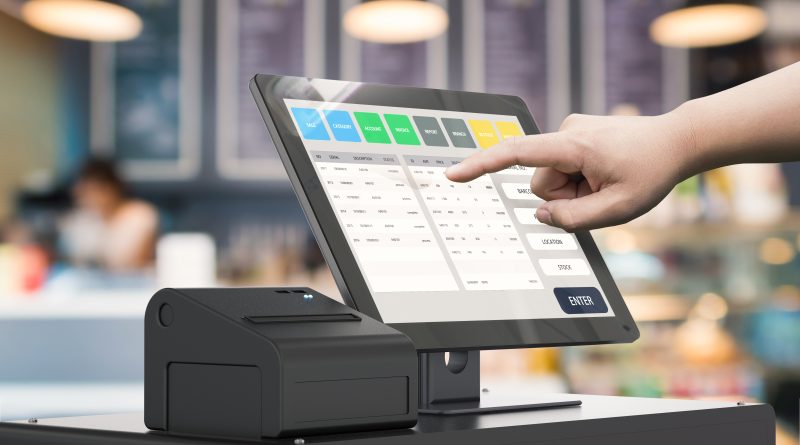
One of the primary reasons POS systems are critical is their ability to centralize business operations. Without a POS system, businesses often rely on separate tools for billing, inventory, and reporting, which creates gaps and inconsistencies. A POS system brings these functions together into a single platform. Every transaction, stock update, and payment is recorded in one place, reducing confusion and ensuring that information flows smoothly across the business.
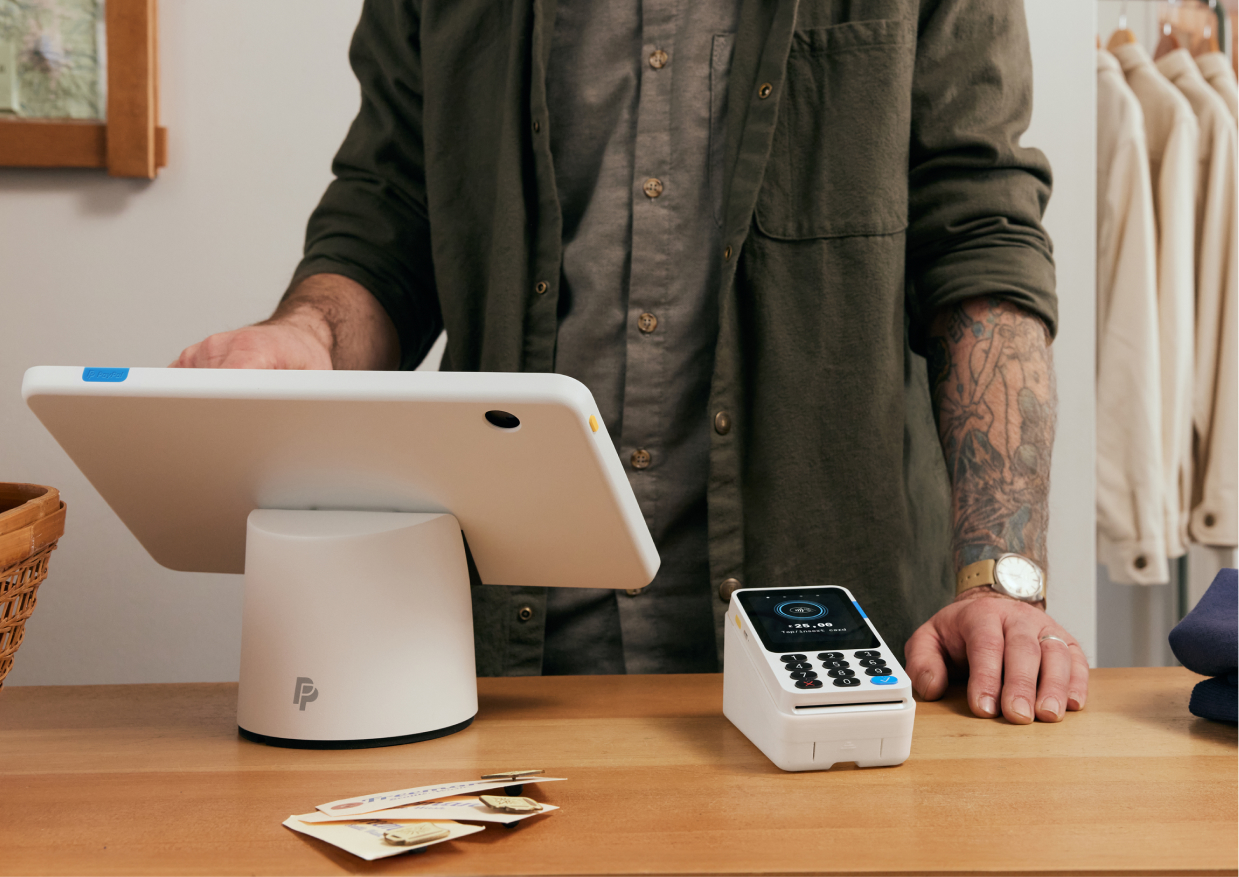
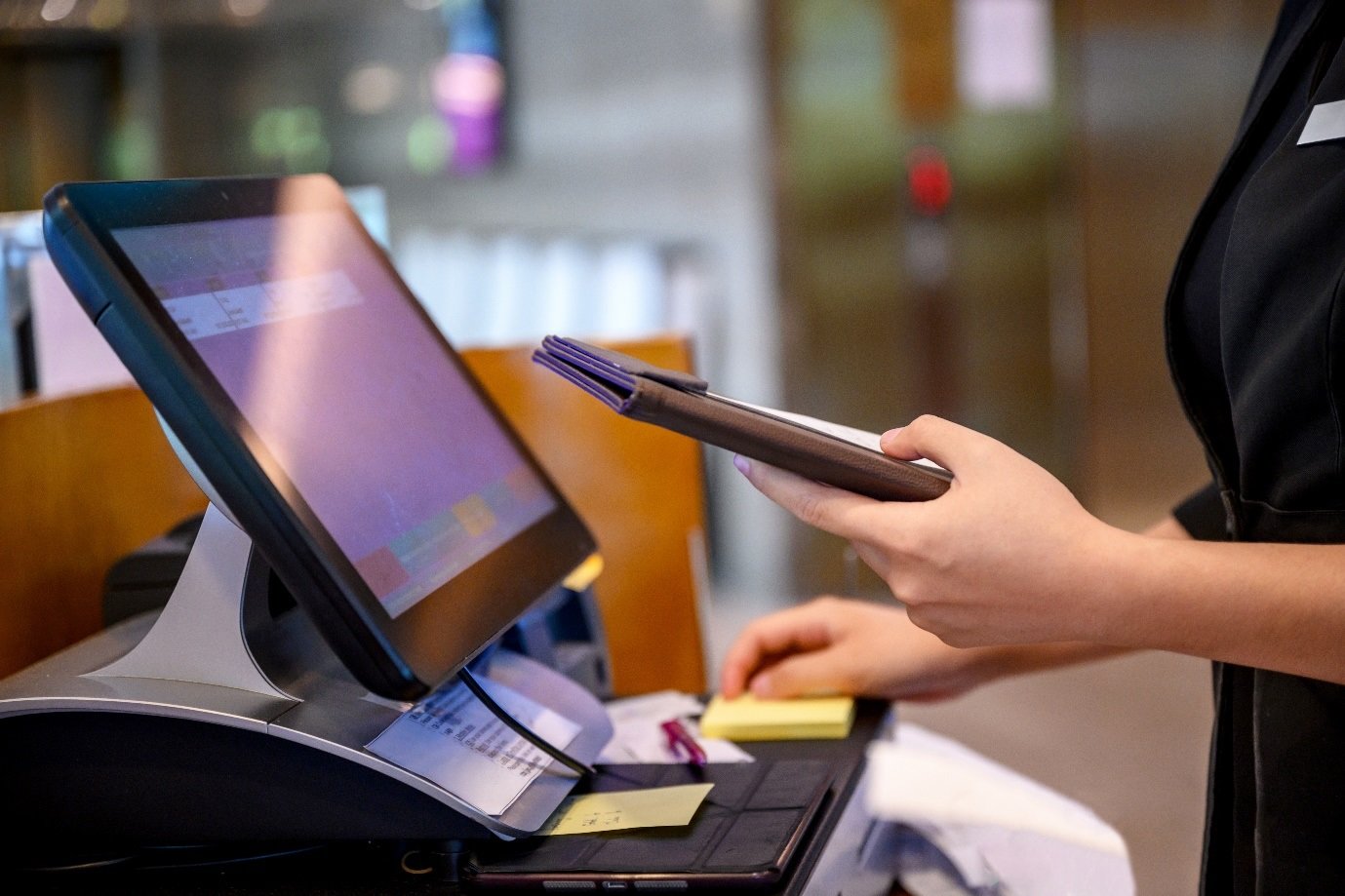
POS systems also simplify transaction management, especially in high-volume environments. Manual billing or outdated systems struggle to keep up with busy periods, increasing the risk of errors and delays. Modern POS systems process transactions quickly and accurately, regardless of order size or payment type. This speed not only improves customer satisfaction but also helps staff handle peak hours with confidence and efficiency.
Another major challenge in complex businesses is inventory management. As product variety increases, tracking stock manually becomes time-consuming and unreliable. POS systems automatically update inventory levels with every sale, providing real-time visibility into stock movement. This allows businesses to avoid overstocking, prevent shortages, and make informed purchasing decisions. Accurate inventory data reduces waste and ensures that popular items are always available when customers need them.
Employee management is another area where business complexity can quickly escalate. With multiple staff members handling sales, discounts, and refunds, accountability becomes crucial. POS systems assign unique logins to employees, making it easy to track individual activity. This transparency helps reduce unauthorized actions, improves responsibility, and creates a fair working environment where performance can be monitored objectively.
Financial tracking becomes significantly more manageable with a POS system. Instead of manually compiling sales figures and reconciling cash at the end of the day, the system generates automatic summaries and reports. These reports provide clear insights into revenue, payment methods, and daily performance. With accurate financial data readily available, business owners can make faster and more confident decisions without being overwhelmed by numbers.
POS systems also play a key role in maintaining consistency across operations. Whether a business operates one location or multiple outlets, consistency in pricing, billing, and processes is essential. A POS system ensures standardized operations across all points of sale, reducing discrepancies and improving brand reliability. Customers benefit from a predictable experience, while managers gain better control over dispersed operations.
As businesses expand, operational complexity naturally increases. Adding new products, locations, or services can strain existing systems if they are not designed to scale. POS systems are built to grow with the business, allowing easy updates, product additions, and system integrations without disrupting daily activities. This scalability ensures that growth does not lead to operational chaos.
Finally, POS systems help businesses stay compliant and audit-ready. Accurate records of sales, taxes, and transactions are automatically maintained, making audits and reviews less stressful. Instead of searching through paper records or spreadsheets, businesses can quickly access organized and reliable data when needed.
In conclusion, business complexity is an unavoidable part of growth, but it does not have to be overwhelming. POS systems provide the structure, automation, and clarity needed to manage complex operations efficiently. By centralizing data, improving accuracy, and supporting scalability, POS systems enable businesses to operate smoothly even as demands increase. For any business aiming to grow while maintaining control, a POS system is not just helpful—it is essential.