Why Restaurants Run Smoother With Smart POS Features

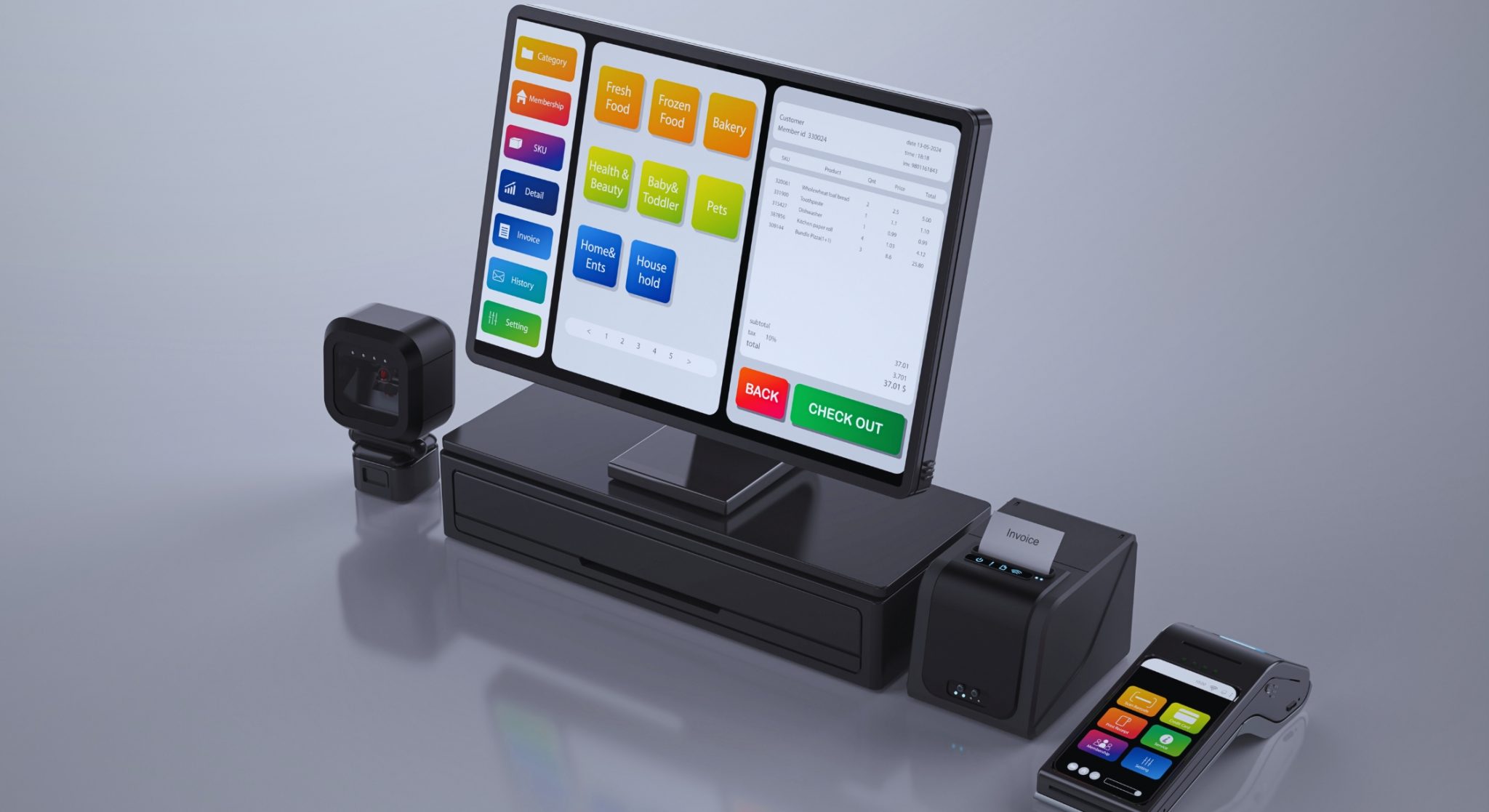
Running a restaurant isn’t just about serving delicious food — it’s about making sure every part of the operation works efficiently. From taking orders to managing inventory and keeping customers happy, there are many moving pieces to handle. This is where smart POS (Point of Sale) features make a huge difference. Today’s POS systems are designed to simplify tasks, reduce mistakes, and help restaurants run smoother than ever before.
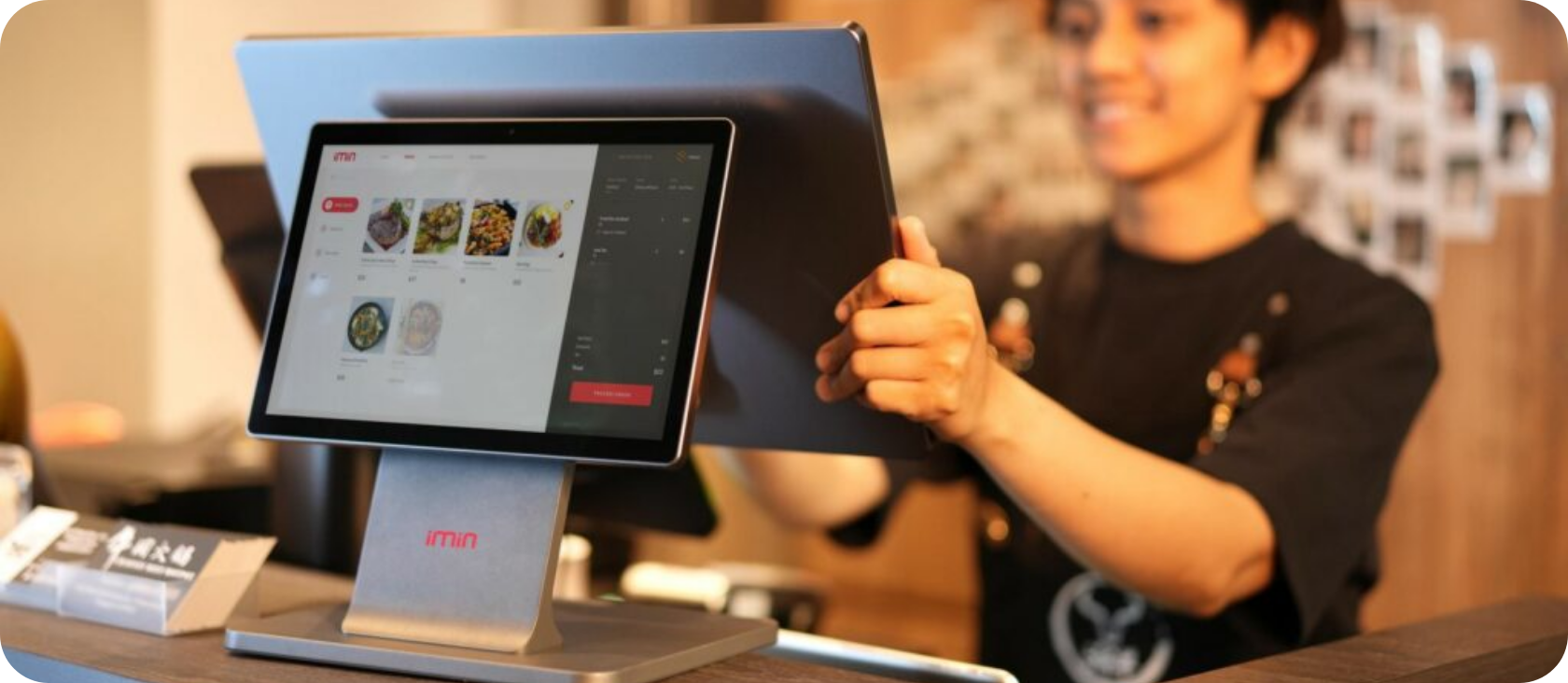
One of the biggest advantages of a smart POS system is the way it streamlines order taking. Traditional methods like writing on paper can lead to errors, delays, or lost orders. With a modern POS, staff can punch orders directly into the system, ensuring accuracy and speed. Items go straight to the kitchen display system or printer, reducing chances of miscommunication. This helps the kitchen prepare meals faster and ensures customers get exactly what they ordered.
Smart POS features also improve table management. Restaurants often struggle with seating arrangements, especially during peak hours. A good POS system offers a visual layout of the dining area, helping staff track which tables are occupied, which are waiting for service, and which are ready to be cleaned. This leads to smoother service flow, less waiting time for customers, and a more organized dining experience.
Inventory management is another area where smart POS systems shine. Many restaurants face issues like stock shortages, wastage, or over-ordering. With a smart POS, inventory updates automatically every time an item is sold. Managers get real-time insights into stock levels so they can reorder at the right time. Some systems even send low-stock alerts, helping restaurants avoid running out of key ingredients. This not only saves money but also keeps customers satisfied by ensuring menu items are always available.
Smart POS features also support better decision-making. Modern POS systems provide detailed reports that cover sales trends, best-selling dishes, peak hours, employee performance, and more. These insights help restaurant owners identify what’s working and what isn’t. For example, they can see which menu items are most popular, which ones are not selling, and when their busiest hours occur. With this information, owners can plan promotions, adjust menus, schedule staff efficiently, and make strategic decisions that lead to growth.
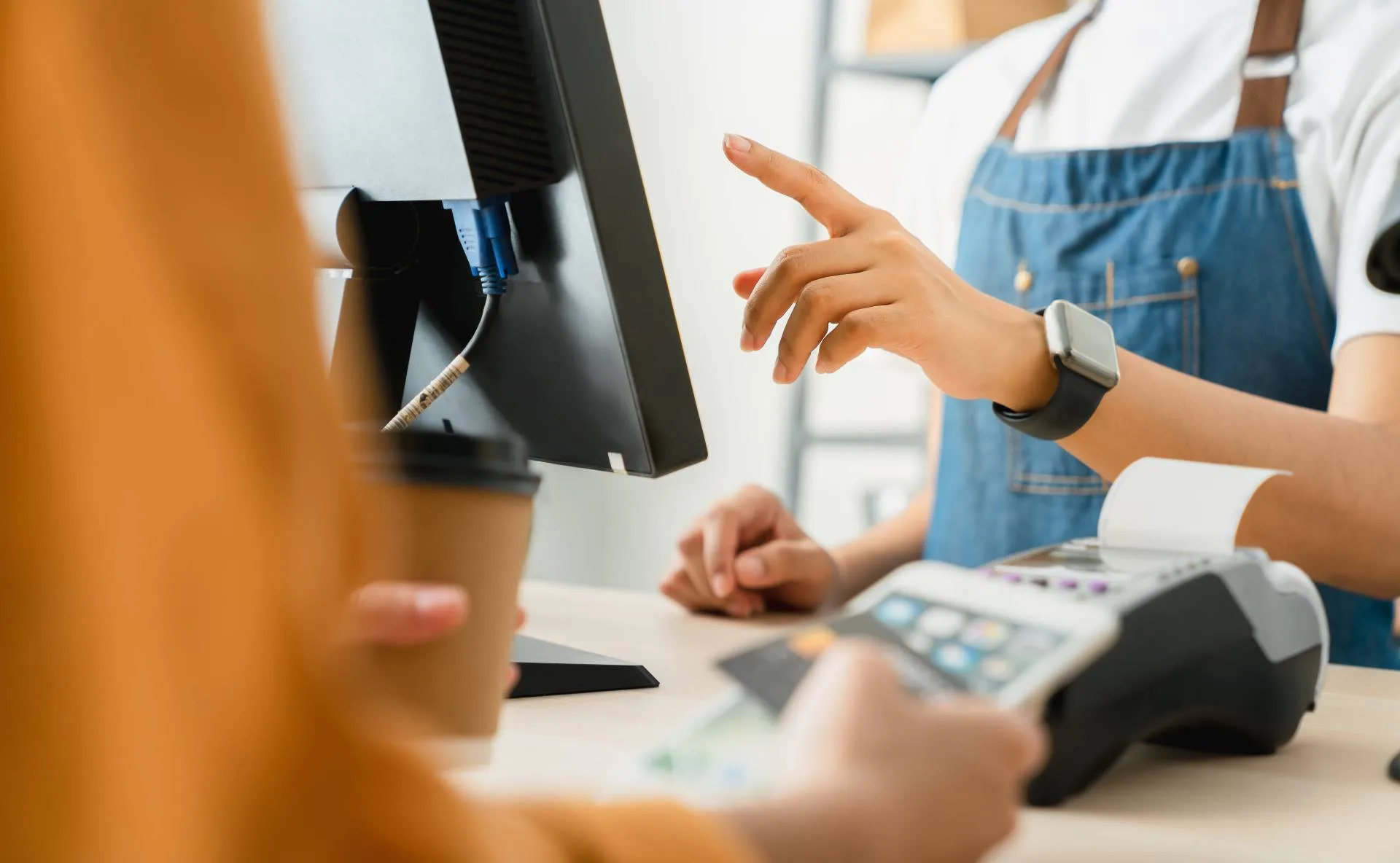
Payment processing becomes stress-free with smart POS systems as well. Customers can pay through multiple options — cards, QR codes, digital wallets, or even split bills. Fast and flexible payments improve the checkout experience and reduce long queues. The POS also keeps transaction history organized, making end-of-day closing easier for staff.
Staff management is another area where smart POS systems bring convenience. Features like clock-in/clock-out, role-based access, and performance tracking help restaurant owners manage their team more effectively. Owners can see which staff handled the most orders, who closed the most bills, and how efficiently shifts are running. This creates a smooth workflow and reduces unnecessary errors.
Smart POS systems also enhance customer service. Many advanced systems come with loyalty programs, customer notes, and purchase history. Restaurants can offer personalized promotions, reward regular customers, and understand what their customers prefer. This builds stronger relationships and encourages repeat visits.
Integration with online ordering platforms adds another layer of smoothness to restaurant operations. Instead of juggling multiple devices or manually entering orders from delivery apps, a smart POS pulls all online orders into one place. This reduces errors, keeps the kitchen organized, and ensures timely preparation and delivery.
Overall, smart POS features help restaurants operate more smoothly by ensuring accuracy, reducing manual work, improving communication, and offering real-time insights. Whether it’s a small café or a busy restaurant, investing in a smart POS is one of the best steps toward creating efficient, organized, and customer-friendly operations. In today’s competitive food industry, a smart POS isn’t just an upgrade — it’s a necessity for smooth and successful restaurant management.