How POS Systems Help Reduce Pricing Errors
Pricing errors are a common problem for retail stores, supermarkets, cafes, restaurants and other businesses that process sales every day. A product may be sold at the wrong price because of an outdated price list, a staff member entering the wrong amount, an incorrect discount or a price change that was not updated properly.
Even a small pricing mistake can affect customer trust and business profits. A POS system can help reduce these problems by keeping product and pricing information organised and making the sales process more consistent.
Keeping Product Prices in One Place
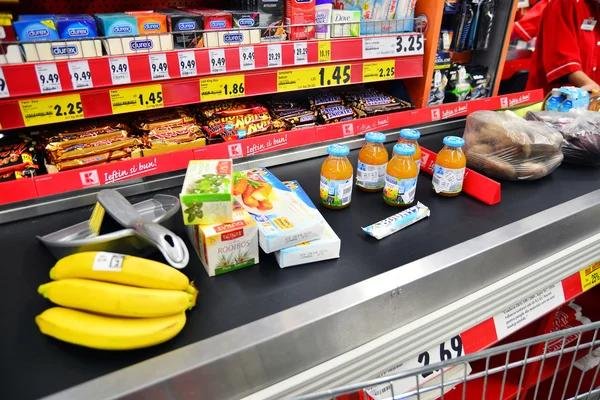
One of the main advantages of using a POS system is that product information and pricing can be stored in one central system. Instead of employees relying on printed price lists, spreadsheets or their own knowledge, they can select the product directly from the POS.
When a product is scanned or selected during a sale, the system can retrieve the price associated with that product. This reduces the need for employees to manually enter prices and helps create a more consistent checkout process.
For businesses with hundreds or thousands of products, having prices stored in one system can be particularly useful. Employees do not need to remember individual prices, and managers have a central place to maintain product information.
Reducing Manual Price Entry
Manual data entry is one of the easiest ways for pricing mistakes to occur. A staff member may accidentally enter the wrong number, select the wrong product or make a calculation error when processing a sale.
Barcode scanning can reduce the amount of information employees need to enter manually. Once a barcode is scanned, the POS can identify the product and display the relevant price.
This makes the checkout process quicker while also reducing opportunities for simple typing mistakes.
Making Price Changes Easier
Product prices often change. Supplier costs may increase, businesses may introduce new pricing, or products may be discounted for a limited period.
Updating prices manually can become difficult when a business has a large product range. Employees may continue using an old price if they are not aware of the change.
A POS system gives businesses a central place to update product pricing. Once the correct price has been entered, staff can use the updated product information when processing sales.
This can help businesses avoid situations where different employees are using different prices for the same product.
Improving Pricing Consistency
Consistency is important when multiple employees are working at the same business.
For example, imagine a store where one employee remembers that a product costs $10 while another employee believes it costs $12. If prices are being entered manually, customers could potentially be charged different amounts for the same item.
A POS system provides staff with the same product and pricing information. This creates a more consistent process, particularly during busy periods when employees need to process transactions quickly.
Managing Discounts More Accurately
Discounts and promotions can also create pricing problems when they are calculated manually.
An employee may accidentally apply the wrong percentage, forget to apply a discount or calculate the final price incorrectly. These mistakes can become more common when staff are dealing with long queues or multiple customers.
A POS system can support configured discounts and promotional pricing, depending on the features available. This allows the system to calculate the adjusted price during the transaction rather than requiring employees to work it out manually.
Businesses can also review their discount settings to make sure promotions are configured correctly before they are used at checkout.
Helping With Promotions
Temporary promotions are another area where pricing accuracy matters.
A business might offer a weekend promotion, a seasonal discount or a special price for selected products. If these changes are communicated only through printed notes or verbal instructions, employees may accidentally use the wrong price.
Using the POS to manage promotional pricing can make these changes easier to control. Staff can select the product and allow the system to apply the configured price or discount.
This can also make it easier for businesses to return products to their regular prices after a promotion ends.
Reducing Customer Disputes
Pricing errors can sometimes lead to disagreements at the checkout.
A customer may believe an item was advertised at one price while the POS displays another. Staff then need to investigate the issue, check the product information and determine which price should be used.
A well-maintained POS system gives businesses a clear place to check the product price being used during the transaction. This can make it easier for staff to investigate pricing questions and resolve them more efficiently.
Clear product information can also help employees avoid guessing when a customer asks about a price.
Supporting Businesses With Large Product Ranges
Pricing becomes more difficult to manage as the number of products increases.
A small store may be able to manage a limited number of products using basic methods, but larger stores can have hundreds or thousands of products with different prices.
A POS system can organise these products and their associated information. Products can typically be searched, categorised and updated within the system, making it easier for staff to find the correct item during a sale.
This is particularly useful for supermarkets, grocery stores, convenience stores and specialty retailers with frequently changing product ranges.
Helping Businesses Review Sales
A POS system does more than process transactions. It can also provide sales information that businesses can use to review what has been sold.
Sales reports can help business owners identify unusual transactions, review discounts and check product sales. If a particular product is repeatedly being sold at an unexpected price, this may indicate that the product information or pricing needs to be checked.
Regularly reviewing sales information can help businesses find pricing problems before they become a larger issue.
Why Accurate Product Information Matters
A POS system can only work with the information that has been entered into it. If a product has the wrong price in the system, the POS may continue using that incorrect price.
This is why businesses should regularly review product information and make sure prices are updated when changes occur.
Staff should also be trained to report pricing issues instead of simply changing prices manually during a transaction. This gives managers an opportunity to correct the underlying product information.
POS Systems and Staff Training
Technology can reduce many common mistakes, but staff still play an important role in maintaining pricing accuracy.
Employees should understand how to search for products, scan barcodes, apply approved discounts and report incorrect pricing. They should also know when they should ask a manager before changing a price.
Good training combined with an organised POS system can create a more reliable sales process.
Choosing a POS System for Better Pricing Control
When choosing a POS system, businesses should consider more than just the ability to process payments. Product management, barcode scanning, pricing updates, discounts, promotions and reporting can all affect how easily a business manages prices.
A system should also be practical for the employees who use it every day. If staff can quickly find products and process sales without unnecessary manual steps, there are fewer opportunities for basic pricing mistakes.
Final Thoughts
Pricing errors can happen in any business, but many common mistakes can be reduced by using the right processes and technology. A POS system can help businesses centralise product prices, reduce manual entry, manage discounts and promotions, and provide useful sales information.
The key is to keep product information accurate and make sure staff understand how to use the system correctly. When these elements work together, businesses can create a more consistent checkout process and reduce the risk of avoidable pricing errors.