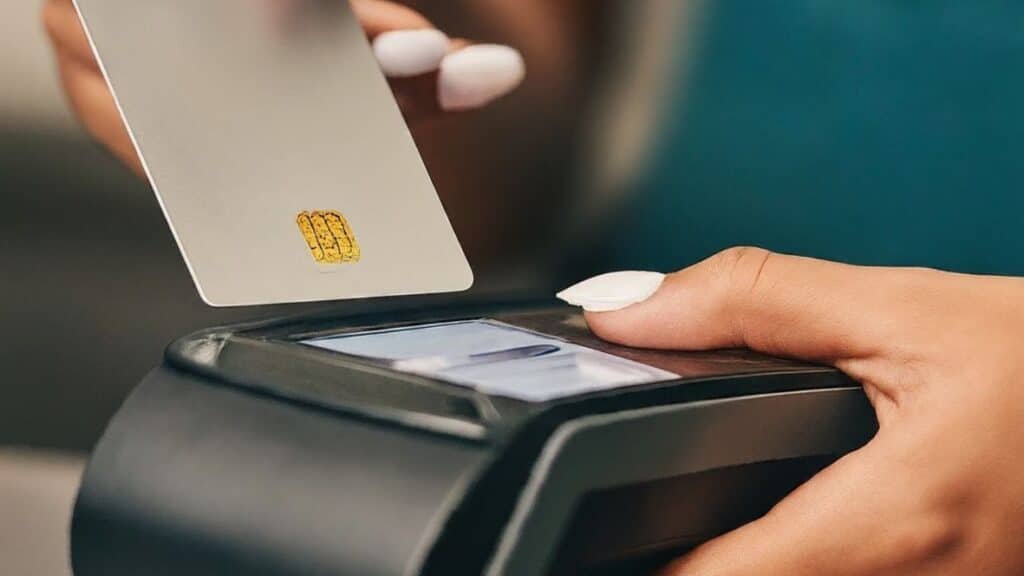
Advantages of POS Systems in Handling High-Volume Sales
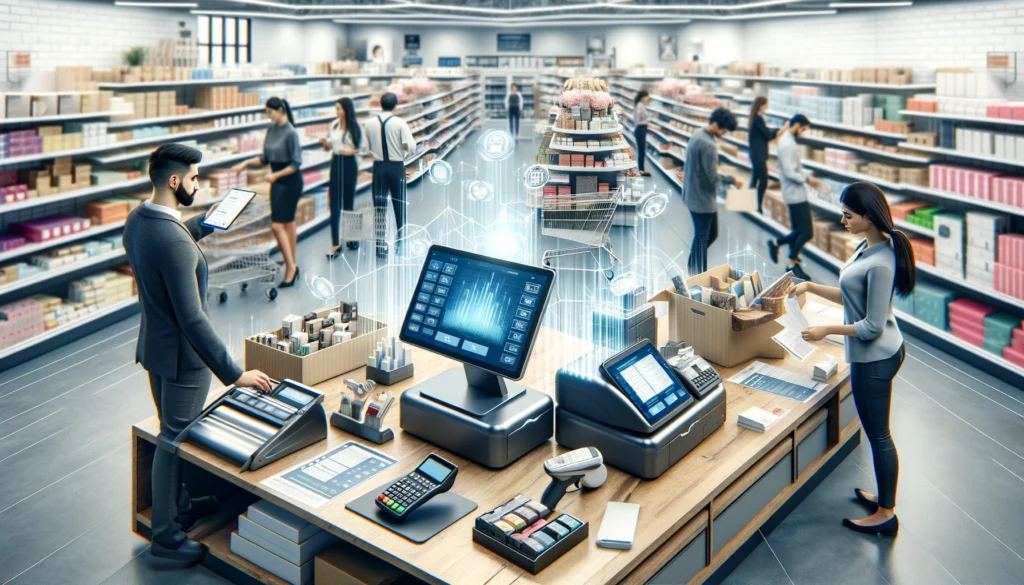
Handling high-volume sales efficiently is one of the biggest challenges for growing businesses, especially in retail stores, restaurants, and multi-location operations. During peak hours, sales can increase rapidly, and without the right systems in place, businesses may face long queues, billing errors, inventory issues, and unhappy customers. A modern Point of Sale (POS) system is designed to manage these challenges effectively, making it an essential tool for high-volume environments.
Faster and More Efficient Checkout Process
Speed is critical when dealing with high-volume sales. POS systems automate the checkout process, allowing staff to process transactions quickly and accurately. Barcode scanning, preset menus, and integrated payment options reduce the time spent on each transaction. Faster billing means shorter queues, improved customer flow, and the ability to serve more customers during busy periods without compromising service quality.
Improved Accuracy During Peak Hours
Manual billing and traditional cash registers are prone to errors, especially when staff are under pressure during rush hours. POS systems minimize mistakes by automatically calculating prices, discounts, and taxes. This accuracy ensures that customers are charged correctly and that daily sales data remains reliable. Reducing errors also prevents revenue loss and eliminates disputes caused by incorrect billing.
Real-Time Sales Monitoring
One of the key advantages of POS systems is real-time sales tracking. During high-volume periods, business owners and managers can monitor performance instantly. Real-time dashboards show total sales, popular products, and peak times, helping managers make quick adjustments such as opening additional counters or reallocating staff. This level of visibility is crucial for maintaining smooth operations during busy hours.
Efficient Inventory Control at Scale
High-volume sales can quickly deplete inventory if not monitored properly. POS systems automatically update stock levels with every transaction, ensuring accurate inventory tracking even during peak sales. Low-stock alerts help businesses reorder products on time, preventing stockouts that can lead to lost sales. This automated inventory control allows businesses to manage large product volumes efficiently without manual intervention.
Seamless Integration With Multiple Payment Methods
Customers today expect flexibility in how they pay. POS systems support multiple payment options, including cash, credit and debit cards, digital wallets, and contactless payments. This flexibility speeds up transactions and reduces bottlenecks at checkout. When handling high volumes, the ability to process different payment types smoothly is essential for maintaining customer satisfaction.
Better Staff Coordination and Performance Tracking
POS systems help manage staff performance in high-pressure environments. With individual user logins, managers can track employee activity, sales contributions, and shift performance. This data helps identify areas where additional training or staffing support is needed. Better staff coordination ensures that operations remain efficient even during the busiest sales periods.
Automated Reporting and End-of-Day Reconciliation
High-volume sales generate large amounts of data that can be overwhelming to manage manually. POS systems automatically generate detailed sales reports, tax summaries, and payment breakdowns. End-of-day reconciliation becomes faster and more accurate, reducing administrative workload and allowing managers to focus on strategic decisions rather than manual calculations.
Scalability for Growing Businesses
As businesses grow, sales volume often increases across locations or channels. POS systems are built to scale, allowing businesses to add new terminals, outlets, or product lines without disrupting operations. Centralized data management ensures consistency in pricing, inventory, and reporting, making it easier to handle increased sales volume as the business expands.
Conclusion
POS systems provide a strong foundation for businesses handling high-volume sales. By enabling faster checkouts, improving accuracy, managing inventory in real time, and supporting staff coordination, POS systems ensure smooth operations during peak periods. For businesses aiming to grow while maintaining efficiency and customer satisfaction, investing in a reliable POS system is a strategic move that delivers long-term benefits.