Better Decisions with POS Customer Reporting Features
In today’s competitive business environment, making informed decisions is key to staying ahead. Businesses that rely on guesswork often struggle to understand their customers and miss valuable opportunities. This is where Point of Sale (POS) systems step in. Beyond processing transactions, modern POS systems offer powerful customer reporting features that help businesses make smarter, data-driven decisions.
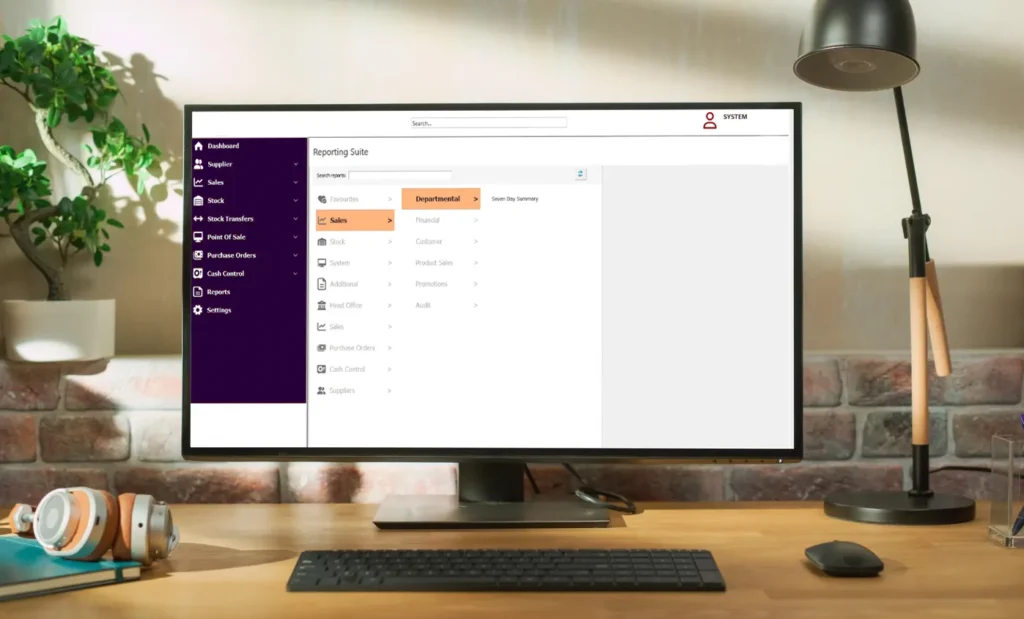
Customer reporting through POS systems provides valuable insights into customer behavior, preferences, and purchasing patterns. Instead of relying on assumptions, business owners can access real-time data that paints a clear picture of what their customers want. This level of visibility allows businesses to align their strategies with actual customer needs, leading to improved performance and growth.
One of the biggest advantages of POS customer reporting is the ability to track purchase history. Businesses can see what products customers buy, how often they make purchases, and how much they spend. This information helps identify top-selling products and loyal customers. With these insights, businesses can make better decisions about inventory management, ensuring popular items are always in stock while reducing overstock of slow-moving products.
Another key benefit is customer segmentation. POS systems allow businesses to group customers based on their behavior, such as frequent buyers, high spenders, or occasional visitors. This segmentation enables targeted marketing strategies. For example, businesses can create special offers for loyal customers or re-engage inactive customers with personalized promotions. As a result, marketing efforts become more effective and deliver higher returns.
POS customer reporting also plays a crucial role in improving customer experience. By understanding customer preferences, businesses can tailor their products, services, and communication. For instance, if data shows that certain products are popular among a specific group, businesses can focus on promoting those items to similar customers. This personalized approach enhances customer satisfaction and builds long-term relationships.
In addition, POS reports provide insights into sales trends and peak buying times. Businesses can identify busy hours, seasonal trends, and customer demand patterns. This information helps in making better staffing decisions, planning promotions, and optimizing store operations. For example, having more staff during peak hours can reduce wait times and improve service quality.
Another important feature is real-time reporting. With cloud-based POS systems, business owners can access customer data anytime and from anywhere. This allows for quick decision-making, especially in fast-paced environments like retail and hospitality. Whether it’s adjusting pricing, launching a promotion, or managing inventory, real-time insights ensure that decisions are timely and effective.
Moreover, POS customer reporting supports better financial planning. By analyzing customer spending habits, businesses can forecast revenue and plan future investments more accurately. It also helps in identifying opportunities for upselling and cross-selling, increasing overall revenue without significantly increasing costs.
Security and data accuracy are also improved with POS systems. Automated reporting reduces the chances of human error and ensures that data is consistent and reliable. This builds confidence in decision-making, as businesses can trust the information they are using.
In conclusion, POS customer reporting features are essential tools for modern businesses. They provide deep insights into customer behavior, enable personalized marketing, improve customer experience, and support efficient operations. By leveraging these features, businesses can move away from guesswork and make informed decisions that drive growth and profitability. Investing in a robust POS system is not just about managing sales—it’s about unlocking the full potential of customer data to achieve long-term success.