How Bulk Purchasing Helps Retailers Maintain Consistent Stock Levels
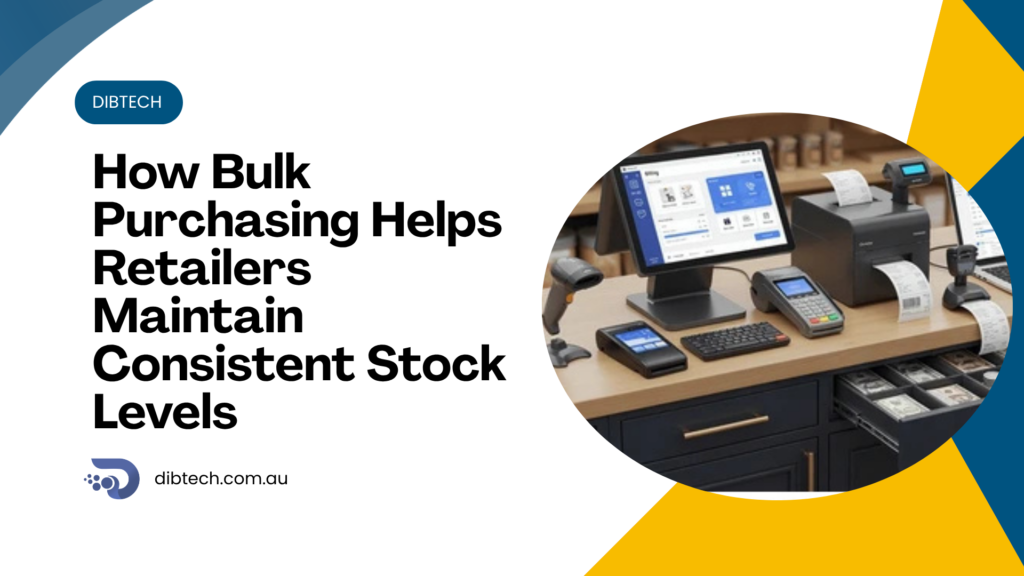
Maintaining the right amount of stock is essential for every retail business. Customers expect their preferred products to be available when they visit a store, while retailers need to avoid holding more inventory than they can sell.
Bulk purchasing can help retailers maintain consistent stock levels by allowing them to purchase larger quantities of products at planned intervals. When combined with effective inventory management and POS reporting, bulk purchasing can make stock control more organised and efficient.
1. Helps Prevent Stock Shortages
Running out of popular products can result in missed sales and disappointed customers.
Buying frequently sold products in larger quantities can give retailers a larger stock buffer. This helps businesses continue serving customers while waiting for their next supplier delivery.
For example, a grocery store that regularly sells bottled water, soft drinks, or other popular products may purchase these items in bulk to maintain availability.
2. Maintains Consistent Inventory Levels
Bulk purchasing allows retailers to plan their inventory instead of constantly placing small orders.
Businesses can determine:
- Which products sell quickly
- How much stock is normally required
- How frequently products need to be reordered
- Which products should be purchased in larger quantities
- When the next purchase should be made
This can create a more consistent stock replenishment process.
3. Can Reduce Purchasing Costs
Suppliers may offer better pricing when products are purchased in larger quantities.
For retailers, lower purchase prices can potentially improve profit margins, provided the products sell within an appropriate timeframe and storage costs remain manageable.
Retailers should compare the purchase price with demand, storage requirements, product shelf life, and expected sales before placing large orders.
4. Helps Retailers Prepare for High-Demand Periods
Some products experience increased demand during particular periods.
Examples include:
- Holiday seasons
- Weekends
- School holidays
- Sporting events
- Seasonal promotions
- Special events
Reviewing previous sales data can help retailers estimate how much additional stock may be required.
A POS system can provide sales reports that help identify products that experience increased demand during specific periods.
5. Supports Better Inventory Planning
Bulk purchasing works best when it is based on actual sales data.
Retailers can review their POS reports to understand which products sell consistently and which products move more slowly.
For example:
High-selling product → Higher purchase quantity
Slow-moving product → Smaller purchase quantity
This approach can help retailers avoid treating every product the same when placing stock orders.
6. Helps Keep Popular Products Available
Customers often return to stores because they know they can find the products they regularly purchase.
Maintaining sufficient stock of popular products can help retailers meet customer demand.
Reports such as Most Selling Products can help identify products that may require more frequent replenishment or larger purchase quantities.
7. Makes Supplier Ordering More Efficient
Instead of repeatedly ordering small quantities, retailers can consolidate certain purchases into larger orders.
This can reduce the frequency of purchase orders and may make supplier communication easier.
Retailers can create a purchasing schedule based on:
- Current stock levels
- Sales velocity
- Supplier lead times
- Minimum order quantities
- Expected demand
8. Helps Manage Supplier Lead Times
Some suppliers may take several days or weeks to deliver stock.
If a retailer waits until a product is almost sold out before ordering, there may not be enough stock available during the delivery period.
Bulk purchasing can provide additional stock while the retailer waits for the next shipment.
This is particularly useful for products with predictable and consistent demand.
9. Works Together with POS Inventory Management
A POS system can help retailers monitor stock movement after bulk purchases are received.
For example:
Purchase 100 units → Receive stock → POS inventory updated → Products sold → Stock level decreases → Reorder when required
This gives retailers a clearer picture of how much stock is available and how quickly products are being sold.
10. Helps Reduce Emergency Purchasing
Poor inventory planning can force retailers to make urgent purchases when popular products suddenly run out.
Emergency purchases may involve higher costs, limited supplier availability, or inconvenient delivery arrangements.
Maintaining appropriate stock levels through planned purchasing can reduce the need for last-minute orders.
11. Important: Bulk Purchasing Does Not Mean Buying Everything in Large Quantities
While bulk purchasing can be useful, retailers should consider product demand before placing large orders.
Buying too much of a slow-moving or perishable product can result in:
- Overstocking
- Expired products
- Storage problems
- Increased holding costs
- Reduced cash flow
The goal should be to purchase enough stock to meet expected demand without unnecessarily tying up capital in inventory.
12. Use POS Reports to Make Better Purchasing Decisions
POS reporting can provide useful information for planning bulk purchases.
Retailers can review:
- Most Selling Products
- Sales by product
- Sales by category
- Current stock levels
- Sales trends
- Slow-moving products
- Seasonal demand
This information can help businesses determine which products are suitable for bulk purchasing.
Best Practices for Bulk Stock Purchasing
Retailers should consider these practices:
- Review sales history before placing large orders.
- Identify consistently high-selling products.
- Set appropriate reorder levels.
- Consider supplier delivery times.
- Monitor product shelf life.
- Avoid excessive stock of slow-moving products.
- Track inventory through the POS system.
- Review stock levels regularly.
- Compare supplier pricing and order quantities.
- Adjust purchasing quantities based on changing customer demand.
Conclusion
Bulk purchasing can help retailers maintain consistent stock levels, reduce the risk of stock shortages, and improve purchasing efficiency. However, successful bulk buying depends on understanding customer demand and monitoring inventory carefully.
By combining bulk purchasing with POS inventory management and sales reporting, retailers can make more informed purchasing decisions, keep popular products available, and maintain better control over their stock.