From Table Management to Growth: The Modern Restaurant POS
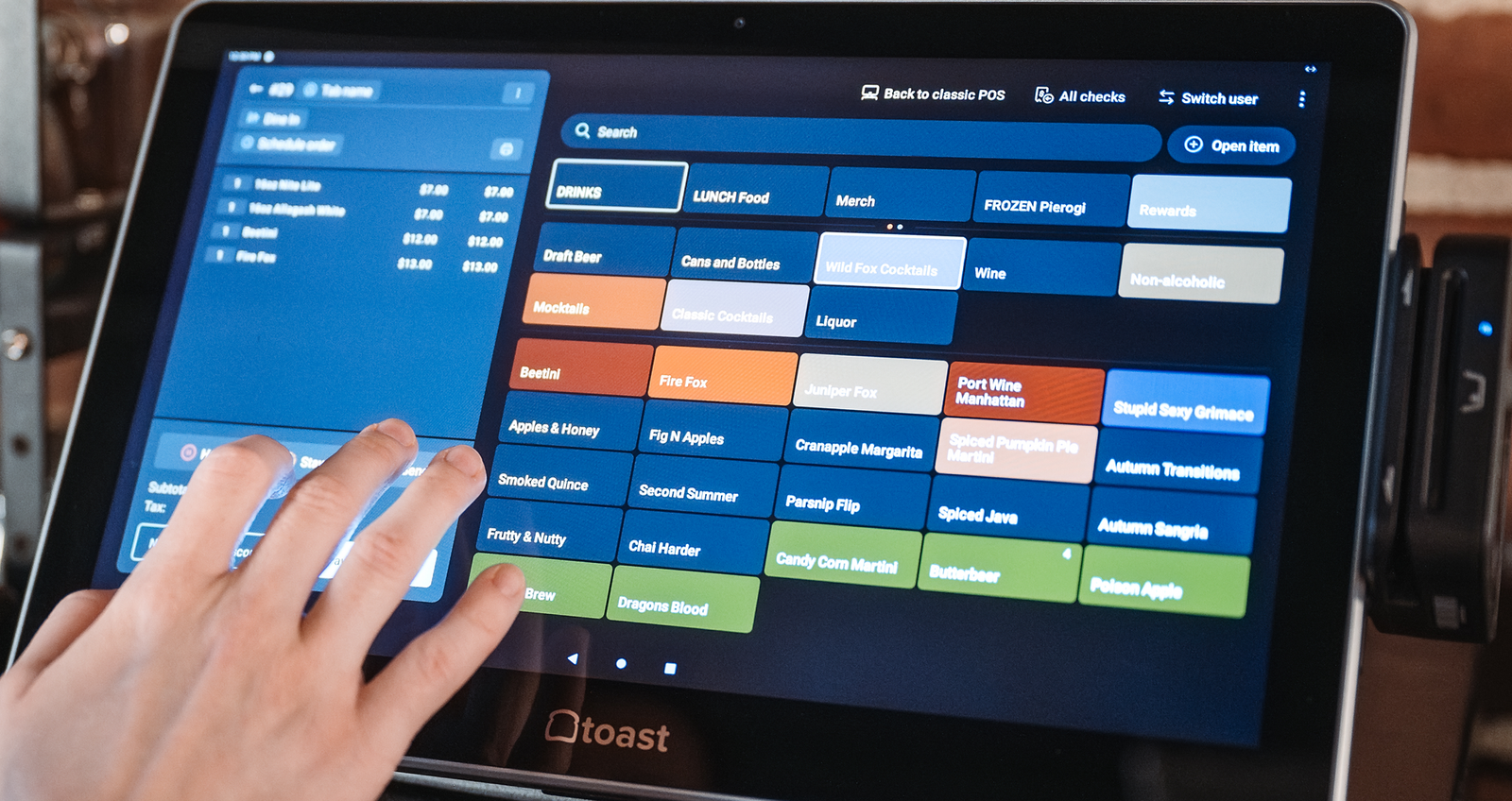
The image of a traditional restaurant “nerve center” used to be a frantic station of handwritten tickets, a clunky cash register, and a manager hovering over a physical floor plan with a highlighter. While that chaotic energy is part of industry lore, it isn’t a strategy for expansion. In today’s competitive landscape, the Point of Sale (POS) system has evolved from a simple payment terminal into the central engine for business growth.
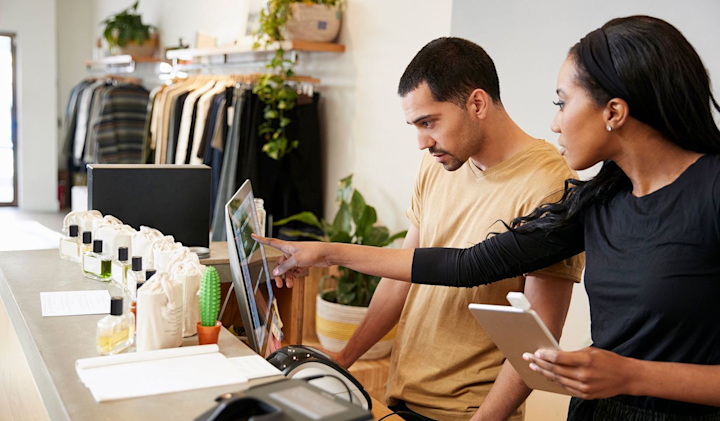
For modern restaurateurs, scaling is no longer just about opening more locations; it’s about maximizing the efficiency and profitability of every square foot you currently occupy. Here is how a modern POS system transforms table management into a blueprint for sustainable growth.
1. Optimizing the “Dance” of the Dining Room
At its core, restaurant growth is a math problem: (Table Turnaround Time × Average Check Size) – Operational Costs = Profit. A modern POS optimizes the “table turnaround” portion of this equation. With handheld mobile POS tablets, servers can take orders directly at the table, firing them to the kitchen instantly. This eliminates the “dead time” spent walking back and forth to a stationary terminal. When the meal is over, “pay-at-table” options shave off another 5–10 minutes of waiting for the check. Over a busy Friday night, saving 10 minutes per table can result in an entire extra seating—directly boosting your top-line revenue without adding a single new chair.
2. Turning Data into a Menu Masterpiece
Growth is often hidden in your data. Modern POS systems provide granular reporting that tells you exactly what is selling and, more importantly, what isn’t.
Through “Menu Engineering” reports, you can identify your “Stars” (high popularity, high margin) and your “Dogs” (low popularity, low margin). By using these insights to prune underperforming items and highlight high-margin favorites, you aren’t just selling food; you are optimizing your inventory for maximum ROI. This data-driven approach ensures that as you grow, your waste stays low and your margins stay healthy.
3. Cultivating the “Regular” Customer
It is significantly cheaper to retain an existing customer than to acquire a new one. A modern POS acts as a sophisticated Customer Relationship Management (CRM) tool. It tracks dining preferences, birthdays, and spending habits.
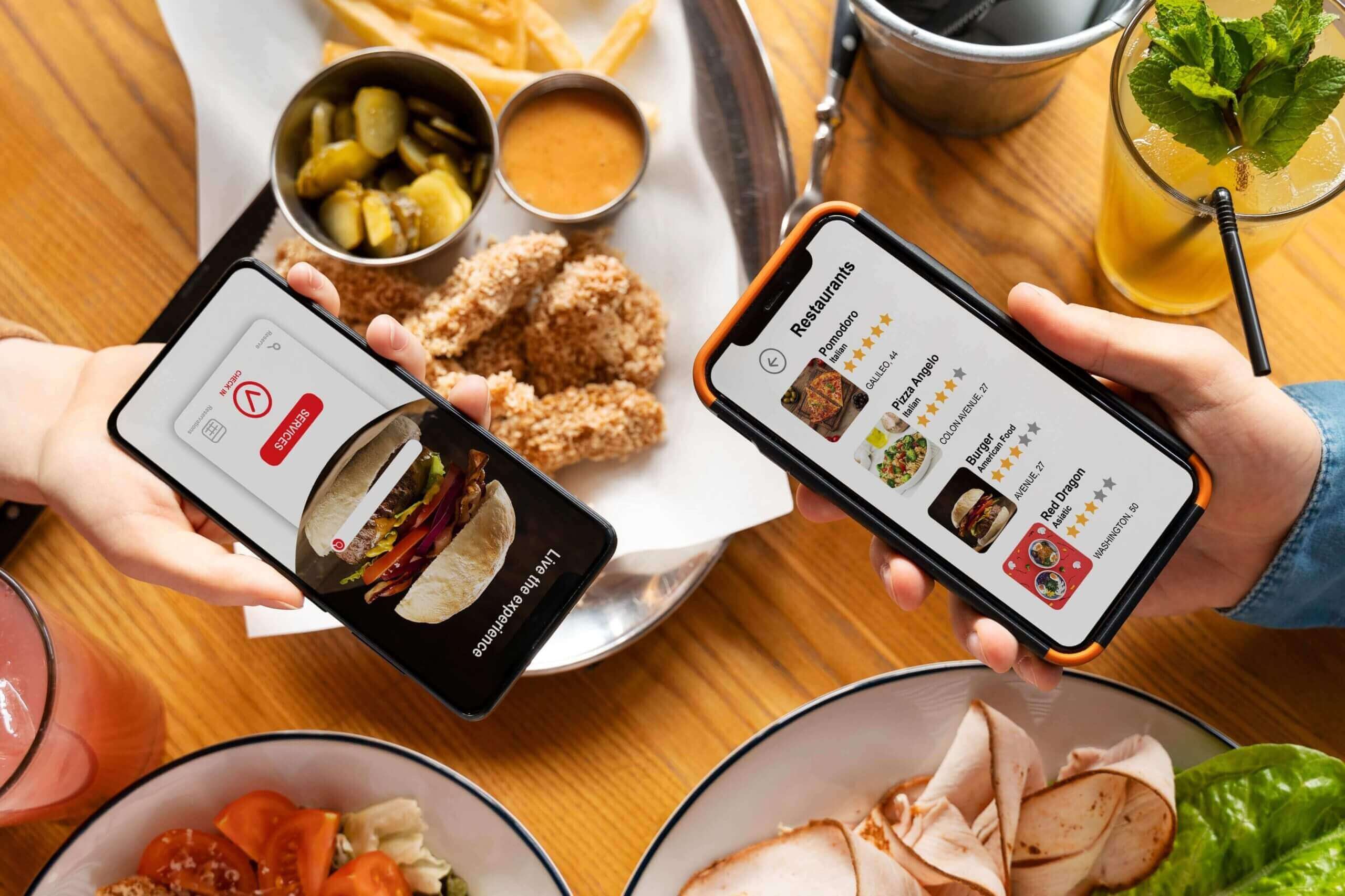
When your system recognizes a guest who hasn’t visited in 30 days and automatically sends them a “We Miss You” discount for their favorite bottle of wine, you are using technology to build a personal connection. This level of automation allows small restaurants to provide “big brand” loyalty experiences, driving the repeat visits necessary for long-term stability.
4. Streamlining the Back-of-House
Growth is impossible if your kitchen is in constant friction with the front-of-house. Modern POS systems integrate directly with Kitchen Display Systems (KDS). These digital screens replace messy paper tickets, tracking “time-to-plate” metrics and ensuring that orders are prioritized correctly.
Furthermore, integrated inventory management warns you when you’re low on key ingredients. There is nothing more damaging to growth than a customer ordering a signature dish only to be told it’s “out of stock.” A smart POS keeps the kitchen running like a well-oiled machine, ensuring the quality of the experience remains consistent even as your volume increases.
The Bottom Line
The transition from a “cash register” mindset to a “growth platform” mindset is what separates struggling cafes from thriving restaurant groups. A modern POS system doesn’t just manage your tables; it manages your potential. It provides the speed to handle more guests, the data to make smarter decisions, and the tools to keep customers coming back.