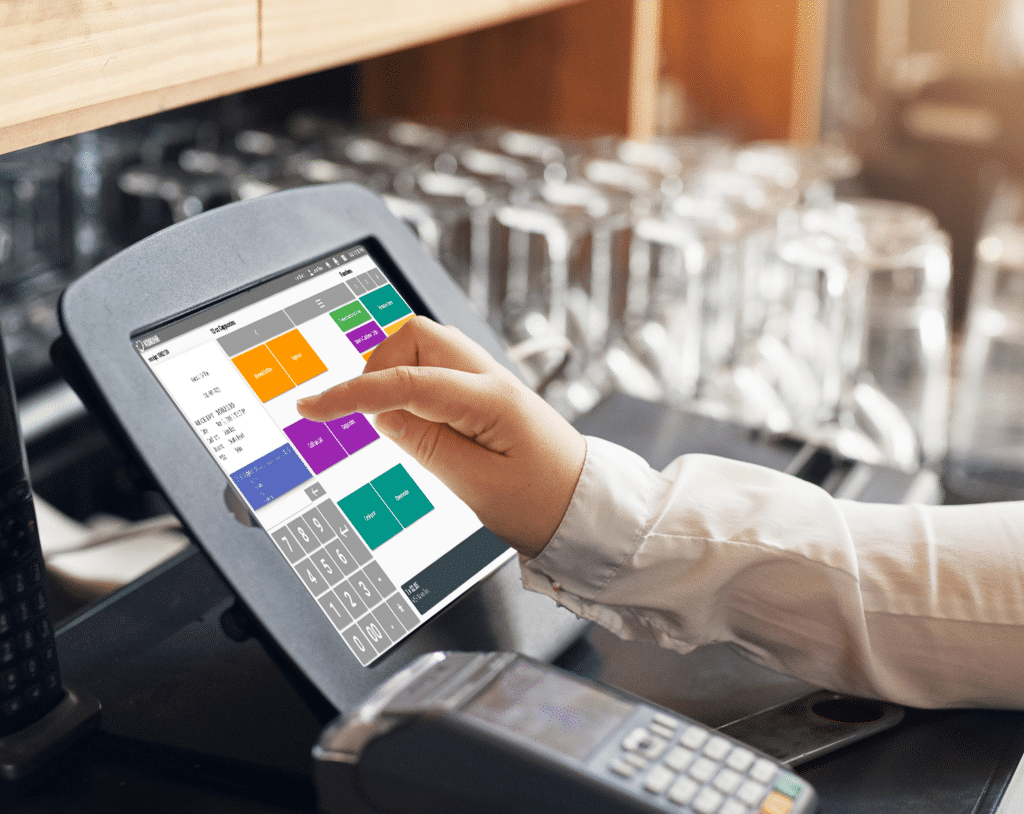
How POS Reports Help Compare Performance Across Time Periods
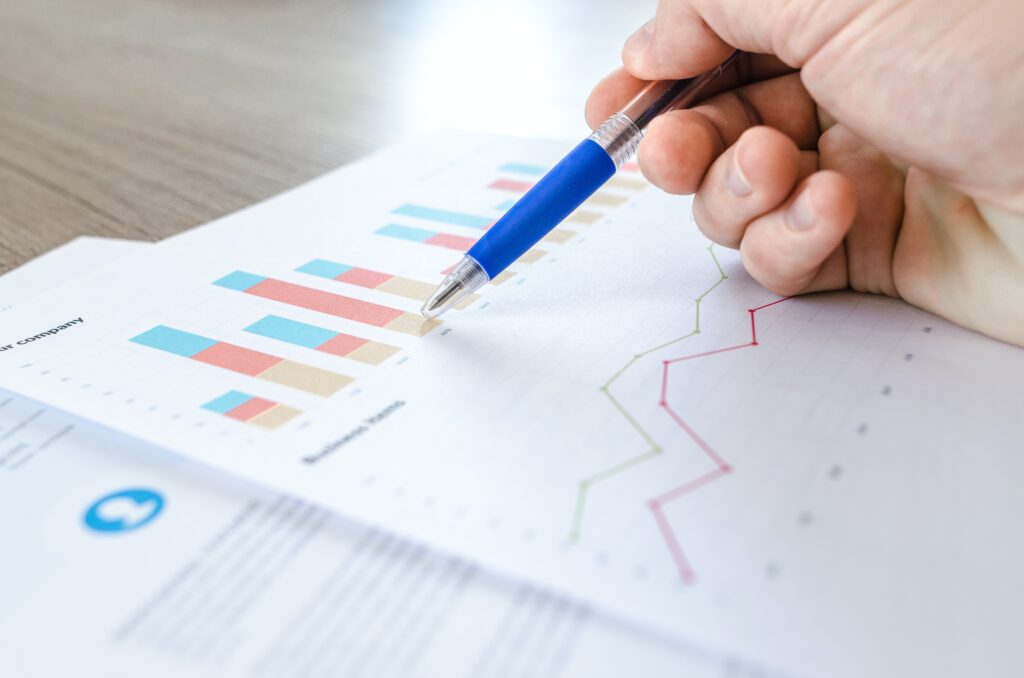
Understanding how a business performs over time is essential for long-term success. Daily sales figures alone do not provide enough insight to make informed decisions. Businesses need to know whether performance is improving, declining, or remaining stable across weeks, months, and years. POS (Point of Sale) reports play a crucial role in this process by organizing transaction data into structured, time-based insights that allow meaningful performance comparisons.
One of the main advantages of POS reports is their ability to consistently capture data in the same format over long periods. Every sale, refund, discount, and payment method is recorded using standardized metrics. This consistency ensures that when businesses compare reports from different time frames, the data remains reliable and directly comparable. Without this standardization, performance analysis can be skewed by changes in reporting methods or data entry practices.
POS reports make it easy to compare sales performance across different time periods. Businesses can analyze daily, weekly, monthly, or yearly sales to identify growth patterns or seasonal trends. For example, comparing this month’s sales with the same month last year helps determine whether growth is driven by real demand or temporary factors. These insights support smarter planning for staffing, inventory, and marketing campaigns.
Revenue comparison is another area where POS reporting adds value. By reviewing historical revenue reports, businesses can track whether average transaction values are increasing or decreasing over time. This information helps assess the effectiveness of pricing strategies, promotions, or product changes. If revenue rises while transaction volume remains stable, it indicates improved profitability per sale, a key metric for long-term sustainability.
POS reports also support time-based comparison of product performance. Sales reports can show which items performed best in previous periods and how those trends have shifted. This helps businesses understand customer preferences and adjust menus, product offerings, or stock levels accordingly. By comparing product performance over time, businesses avoid relying on assumptions and instead base decisions on concrete data.
Operational efficiency is another area that benefits from POS reporting. Comparing reports across time periods can reveal improvements or declines in operational performance. For example, businesses can analyze peak sales hours across different months to see whether customer traffic patterns have changed. This allows better scheduling of staff and resources, reducing costs while maintaining service quality.
POS reports also help compare cash flow performance over time. By reviewing payment method reports and daily closing summaries, businesses can see how cash, card, and digital payments fluctuate across periods. This insight supports better cash management and financial planning. Identifying trends early helps businesses prepare for slow periods and capitalize on high-performing times.
Employee performance analysis becomes more effective with POS reporting. Time-based reports can show how sales performance varies across shifts, teams, or individuals over weeks and months. This allows management to identify training needs, reward consistent performance, and address inefficiencies. Comparing staff performance across periods promotes accountability and continuous improvement.
Another key benefit of POS reporting is the ability to support strategic goal tracking. Businesses often set targets for growth, revenue, or transaction volume. POS reports provide a clear way to compare actual performance against past periods and planned goals. This helps management evaluate whether strategies are working or need adjustment.
POS systems also reduce the effort required for performance comparison. Instead of manually compiling spreadsheets from old records, businesses can generate historical reports instantly. This saves time and ensures that comparisons are based on complete and accurate data rather than estimates or partial records.
In conclusion, POS reports are essential tools for comparing business performance across time periods. By delivering consistent, accurate, and easily accessible data, they help businesses identify trends, evaluate strategies, and make informed decisions. Rather than relying on short-term impressions, businesses that use POS reporting gain a clear, long-term view of their performance, enabling smarter planning, stronger growth, and greater operational control.