How POS Systems Are Transforming Businesses Today
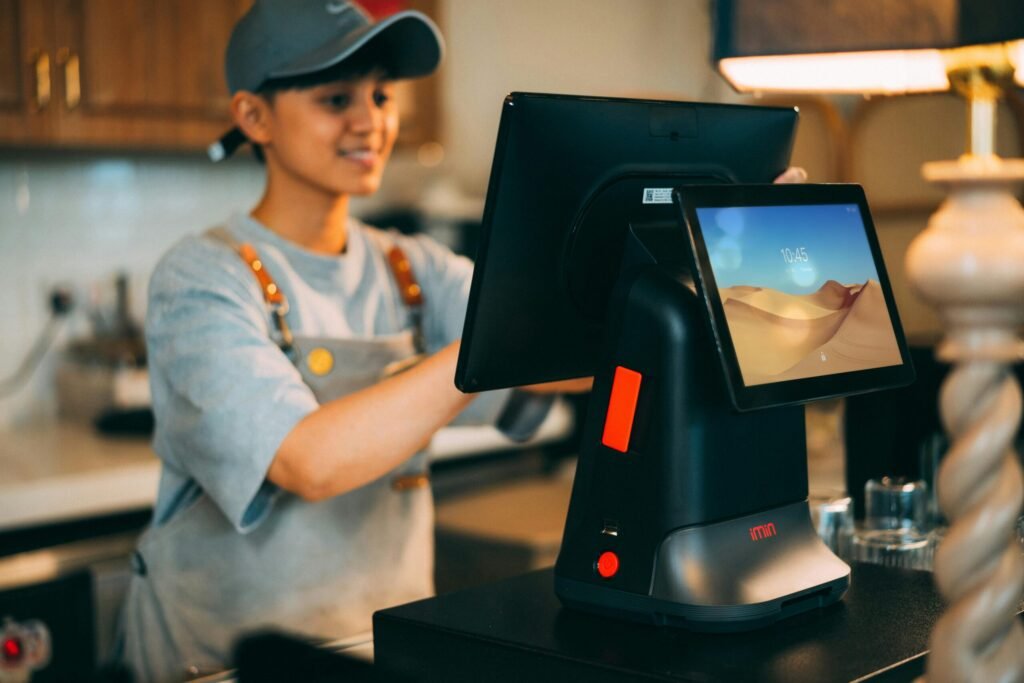
In today’s fast-paced and technology-driven world, businesses are constantly seeking smarter ways to operate, serve customers, and stay competitive. One of the most impactful innovations in recent years is the Point of Sale (POS) system. No longer limited to simple billing machines, modern POS systems have evolved into powerful business management tools that are transforming how companies operate across industries.
Streamlining Daily Operations
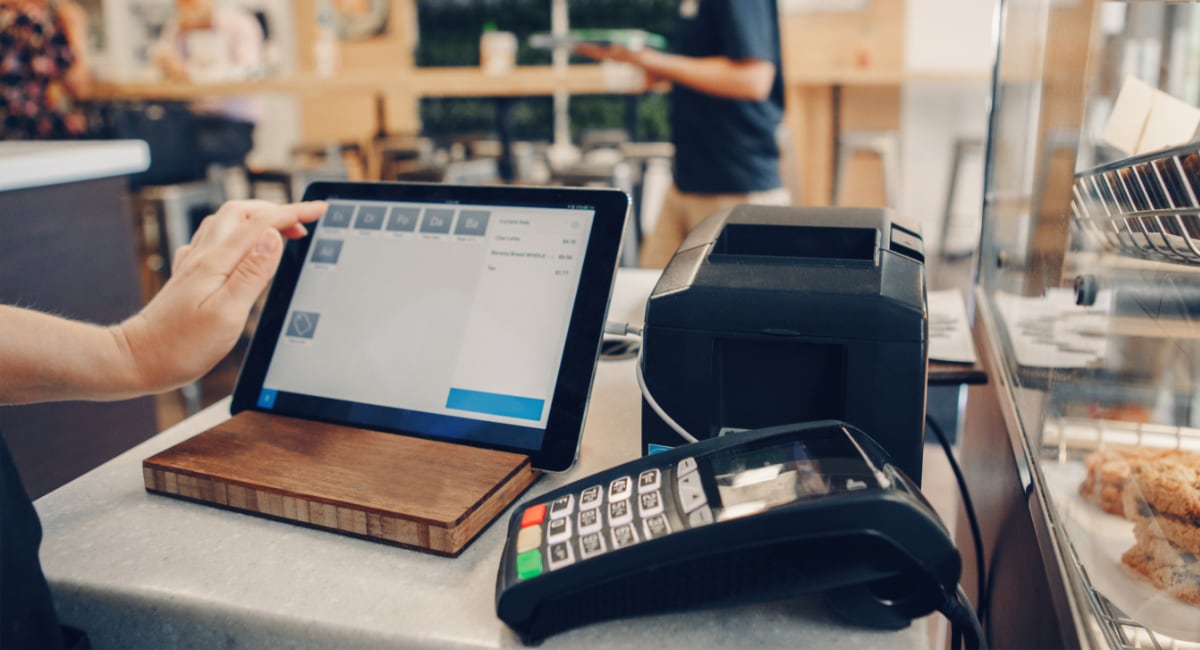
Traditional cash registers required manual input, calculations, and record-keeping, which often led to errors and inefficiencies. Modern POS systems automate these processes, making transactions faster and more accurate. From scanning products to generating instant receipts, POS systems reduce human error and save valuable time for staff.
Additionally, businesses can manage multiple operations—such as sales, inventory, and employee performance—from a single platform. This integration simplifies workflows and allows business owners to focus on growth rather than administrative tasks.
Enhancing Customer Experience
Customer expectations have significantly increased in today’s market. Speed, convenience, and personalization are now essential. POS systems play a crucial role in meeting these expectations. Features like quick checkout, multiple payment options (including digital wallets and contactless payments), and accurate order processing help create a seamless customer experience.
Moreover, POS systems store customer data such as purchase history and preferences. This allows businesses to offer personalized promotions, loyalty programs, and targeted marketing campaigns, ultimately improving customer satisfaction and retention.
Real-Time Data and Insights
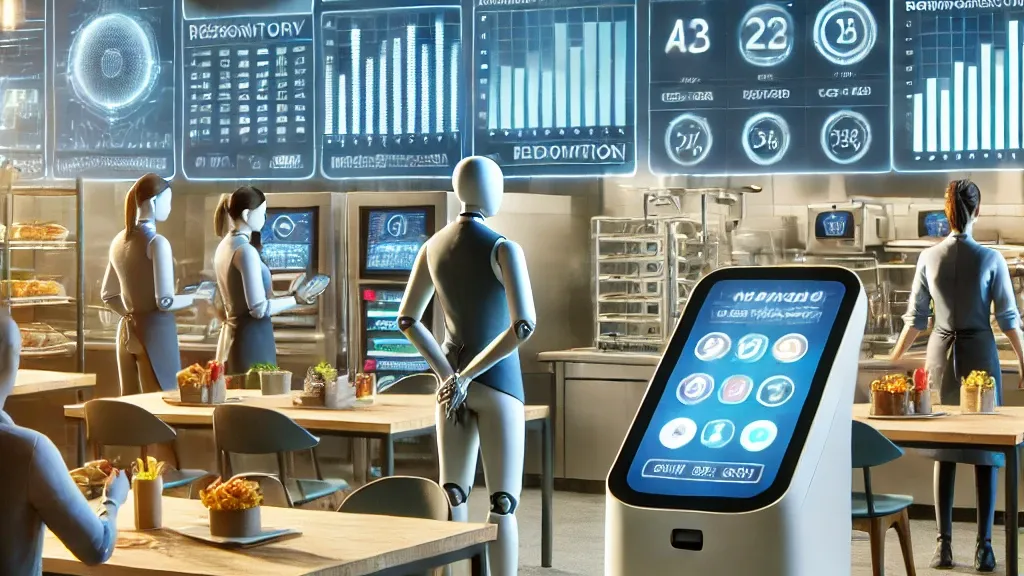
One of the biggest advantages of modern POS systems is access to real-time data. Business owners can track sales, monitor inventory levels, and analyze customer behavior instantly. These insights help in making informed decisions, such as identifying best-selling products, optimizing pricing strategies, and planning promotions.
With detailed reports and analytics, businesses no longer rely on guesswork. Instead, they can use data-driven strategies to improve performance and profitability.
Improved Inventory Management
Managing inventory manually can be time-consuming and prone to errors. POS systems automate inventory tracking by updating stock levels with every sale. This ensures accurate inventory records and helps prevent issues like overstocking or running out of popular items.
Many POS systems also provide alerts for low stock and generate purchase orders automatically. This level of automation ensures that businesses maintain optimal inventory levels and avoid unnecessary losses.
Supporting Business Growth
As businesses expand, managing operations becomes more complex. POS systems are designed to scale with business growth. Whether it’s adding new locations, products, or employees, a POS system can handle increased demand without compromising efficiency.
Cloud-based POS systems, in particular, allow business owners to access their data from anywhere. This flexibility is especially beneficial for multi-location businesses, enabling centralized control and consistent operations across all branches.
Strengthening Financial Management
POS systems provide accurate and organized financial records, making it easier to track revenue, expenses, and profits. Automated reporting reduces the risk of accounting errors and simplifies tax preparation.
By having a clear overview of financial performance, business owners can make better budgeting decisions and identify opportunities for cost savings.
Adapting to Modern Payment Trends
The rise of digital payments has changed how customers prefer to pay. POS systems support a wide range of payment methods, including credit cards, mobile payments, and QR codes. This flexibility ensures that businesses can cater to diverse customer preferences and stay relevant in a rapidly evolving market.
Conclusion
POS systems have become an essential tool for modern businesses, transforming the way they operate and interact with customers. By streamlining operations, enhancing customer experience, providing real-time insights, and supporting growth, POS systems empower businesses to thrive in today’s competitive environment.
As technology continues to advance, the role of POS systems will only become more significant. Businesses that embrace these systems today are better positioned to succeed, adapt, and lead in the future.