Why POS Customer Reporting is Essential for Modern Businesses

In today’s fast-paced and highly competitive market, businesses must go beyond simply selling products or services. Success now depends on how well you understand your customers and respond to their needs. This is where POS (Point of Sale) customer reporting becomes essential. It transforms everyday transactions into valuable insights, helping businesses make smarter decisions and build stronger customer relationships.
What is POS Customer Reporting?
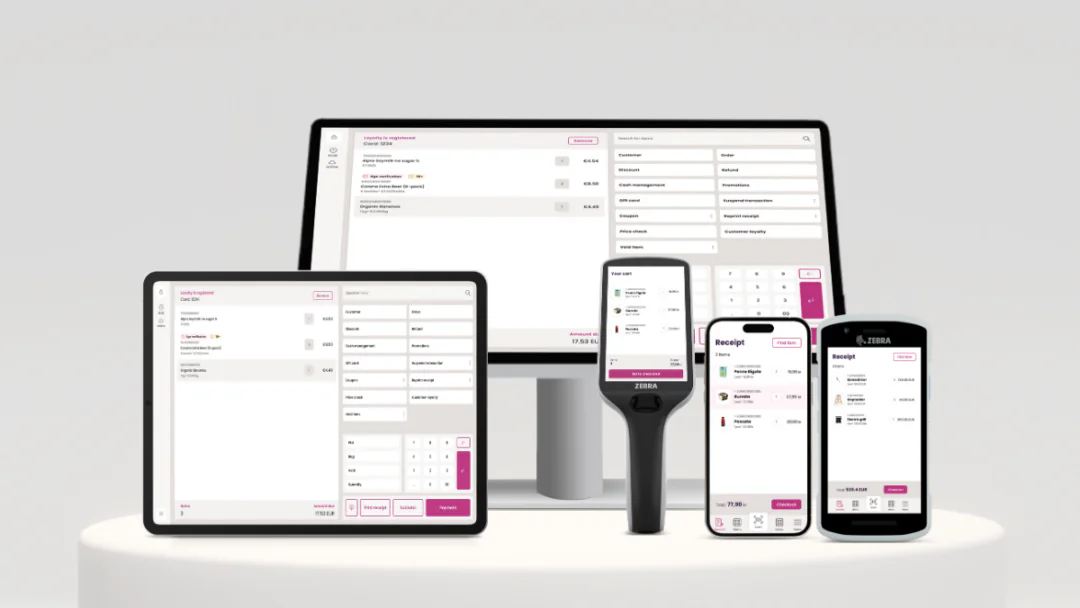
POS customer reporting refers to the process of collecting and analyzing customer-related data through a POS system. Every sale captures useful information such as purchase history, frequency of visits, preferred products, and spending patterns. POS reporting tools organize this data into clear and actionable reports, giving business owners a complete view of customer behavior.
Better Understanding of Customers
One of the biggest advantages of POS customer reporting is the ability to truly understand your customers. Instead of relying on assumptions, you gain access to real data that shows what your customers like, when they shop, and how much they spend.
For example, you can identify your best-selling products, peak business hours, and repeat customers. This knowledge helps you align your business strategies with customer preferences, ensuring that you are always meeting their expectations.
Improved Customer Retention
Customer retention is more cost-effective than acquiring new customers, and POS reporting plays a key role in keeping customers coming back. By tracking customer activity, businesses can identify loyal customers and reward them with special offers, discounts, or loyalty programs.
At the same time, POS reports can highlight customers who haven’t visited in a while, allowing you to re-engage them with targeted promotions. This proactive approach helps build long-term relationships and increases customer lifetime value.
Smarter Marketing Strategies
POS customer reporting makes marketing more precise and effective. Instead of running generic campaigns, businesses can create targeted promotions based on actual customer data. For instance, if reports show that certain products are frequently purchased together, you can offer bundle deals or cross-promotions.
Additionally, you can track the performance of your marketing campaigns in real time. This allows you to adjust your strategies quickly, ensuring better results and higher returns on investment.
Enhanced Personalization
Modern customers expect personalized experiences, and POS reporting makes this possible. By analyzing customer data, businesses can tailor their services, recommendations, and promotions to individual preferences.
For example, if a customer regularly purchases a specific type of product, you can notify them about new arrivals or special discounts related to that category. This level of personalization not only improves customer satisfaction but also increases the likelihood of repeat purchases.
Efficient Inventory Management
POS customer reporting doesn’t just benefit marketing—it also improves inventory management. By understanding customer demand, businesses can stock the right products at the right time. This reduces the risk of overstocking or running out of popular items.
Accurate inventory planning ensures smoother operations and better customer service, as customers are more likely to find what they need when they visit your business.
Data-Driven Decision Making
In modern business, decisions backed by data are far more reliable than those based on guesswork. POS customer reporting provides real-time insights that help you make informed choices about pricing, promotions, staffing, and product offerings.
With access to detailed reports, business owners can quickly identify trends, spot opportunities, and respond to changes in the market. This agility is crucial for staying competitive in today’s environment.
Competitive Advantage
Businesses that leverage POS customer reporting gain a significant edge over competitors. While others may rely on intuition, data-driven businesses can act with confidence and precision. They understand their customers better, deliver superior experiences, and adapt quickly to changing demands.
This advantage not only helps attract new customers but also builds a loyal customer base that drives long-term growth.
Conclusion
POS customer reporting is no longer a luxury—it is a necessity for modern businesses. It provides deep insights into customer behavior, improves marketing effectiveness, enhances personalization, and supports better decision-making.
By using POS reporting tools effectively, businesses can move from reactive operations to proactive strategies. In a world where customer expectations continue to rise, having access to accurate and actionable data is the key to success. Investing in POS customer reporting is not just about improving operations—it’s about building a smarter, more customer-focused business for the future.