How POS Systems Help Businesses Adapt to Changing Customer Trends
Customer expectations are constantly evolving. From contactless payments to personalized offers and faster service, today’s consumers demand convenience, speed, and tailored experiences. For retail stores and cafes, keeping up with these changing trends can be challenging. This is where modern Point of Sale (POS) systems become essential. More than just billing tools, POS systems provide the flexibility, data, and technology businesses need to adapt quickly and stay competitive.
Understanding Customer Behavior Through Data
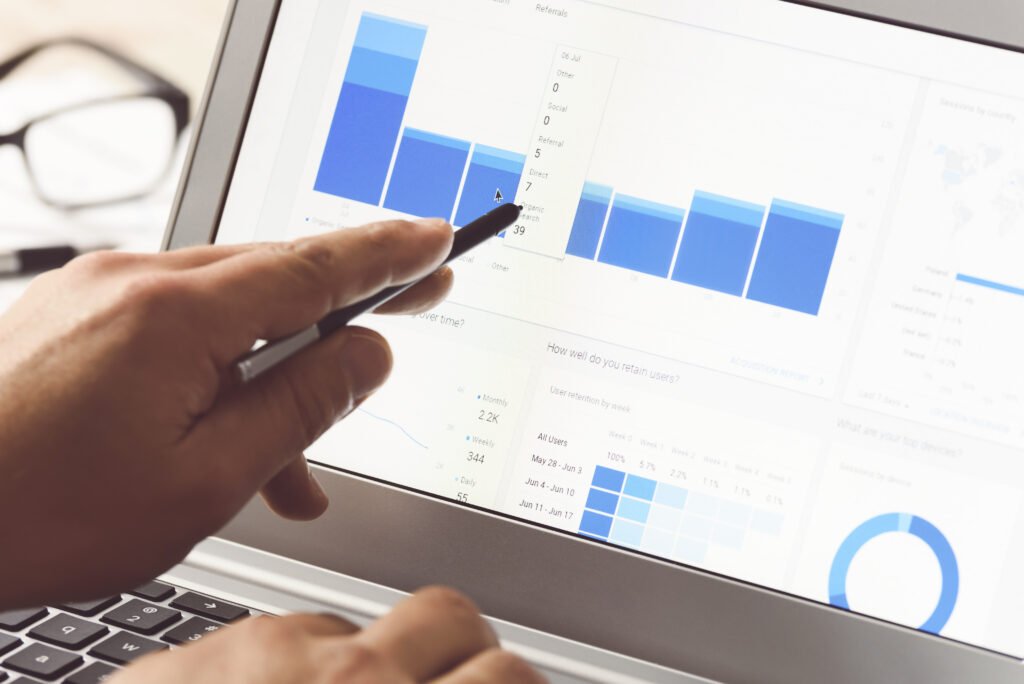
One of the most powerful features of a POS system is its ability to collect and analyze sales data. Every transaction provides valuable insight into what customers are buying, when they are shopping, and how much they are spending. Over time, this information reveals patterns and trends.
For example, a cafe may notice an increase in demand for plant-based options, while a retail store may see rising interest in eco-friendly products. With access to real-time sales reports, business owners can adjust their product offerings to match customer preferences. Instead of guessing what customers want, they can make informed decisions backed by accurate data.
This data-driven approach allows businesses to respond quickly to market changes and maintain relevance.
Supporting Modern Payment Preferences
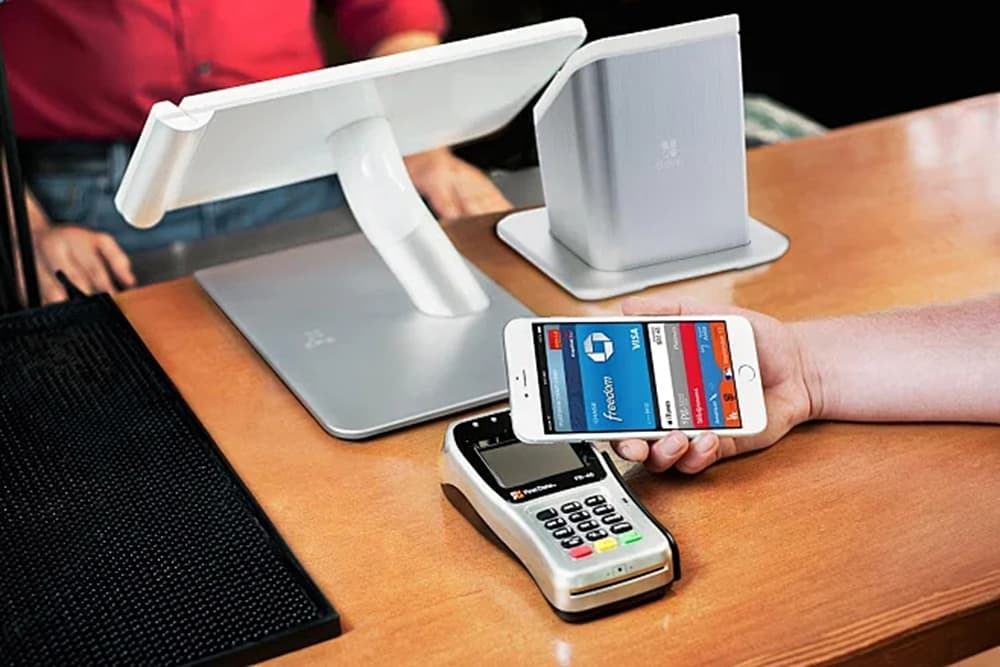
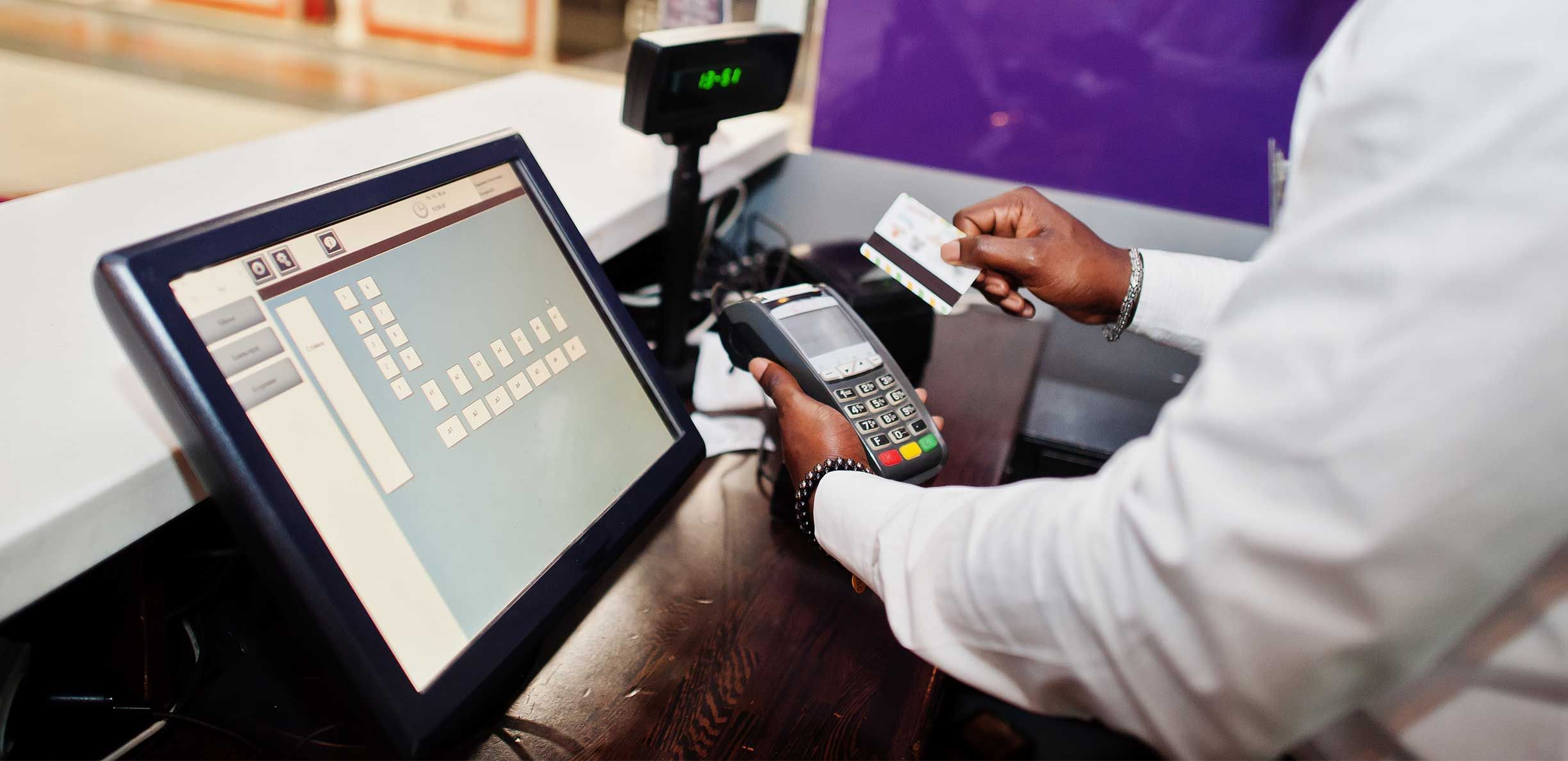
Customer payment habits have shifted dramatically in recent years. Many consumers now prefer contactless payments, mobile wallets, QR codes, and online transactions. A modern POS system integrates multiple payment options, ensuring customers can pay the way they prefer.
By offering flexible payment methods, businesses reduce friction at checkout and improve the overall shopping experience. Faster, smoother transactions increase customer satisfaction and encourage repeat visits. Adapting to new payment technologies also positions businesses as modern and customer-focused, which strengthens brand perception.
Enabling Personalization and Loyalty Programs
Today’s customers expect personalized experiences. Generic promotions are no longer as effective as targeted offers based on purchase history. POS systems with built-in customer relationship management (CRM) features help businesses track customer data, including purchase frequency, preferences, and spending patterns.
Using this information, businesses can create personalized discounts, loyalty rewards, and promotional campaigns. For example, a cafe can offer a free drink after a certain number of purchases, while a retail store can send exclusive discounts to frequent shoppers.
Personalization increases customer engagement and builds long-term relationships. When customers feel valued, they are more likely to return, boosting long-term revenue.
Managing Online and Offline Integration
The rise of online shopping and food delivery services has significantly changed customer behavior. Many consumers now expect businesses to offer both in-store and online options. Modern POS systems support omnichannel operations by integrating physical and digital sales channels.
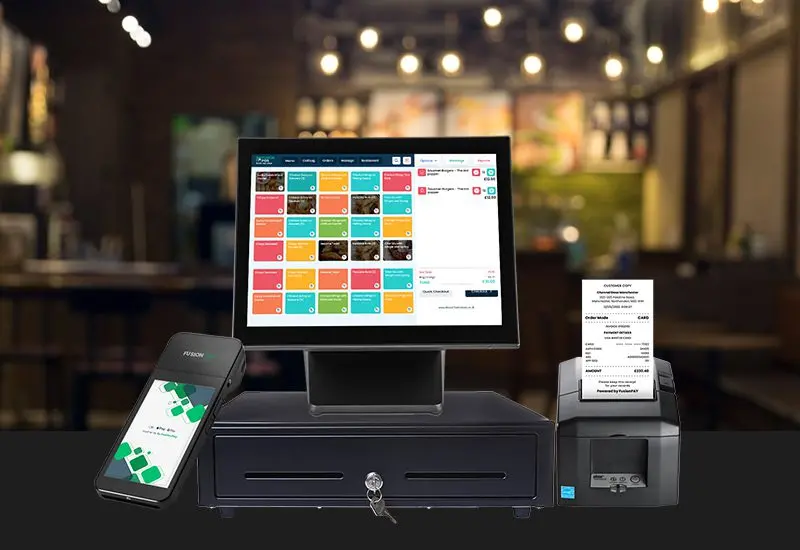
This means inventory, sales data, and customer information are synchronized across platforms. If a product sells online, stock levels update automatically in-store. For cafes, online orders can be sent directly to the kitchen through the POS system, reducing manual errors.
This seamless integration ensures businesses can meet customers wherever they choose to shop, improving convenience and operational efficiency.
Adjusting Pricing and Promotions Quickly
Customer trends can shift rapidly due to seasons, social media influence, or economic conditions. A POS system allows businesses to update pricing, create limited-time promotions, and apply discounts instantly.
For instance, if a particular product becomes popular, retailers can adjust pricing strategies to maximize profit. If certain items are not selling well, they can introduce bundle offers or promotional discounts to clear inventory.
The ability to make quick adjustments helps businesses stay agile and competitive in a fast-changing market.
Improving Speed and Service Quality
Modern consumers value time. Long waiting lines or slow service can lead to negative experiences. POS systems streamline operations by simplifying order entry, automating calculations, and reducing manual errors.
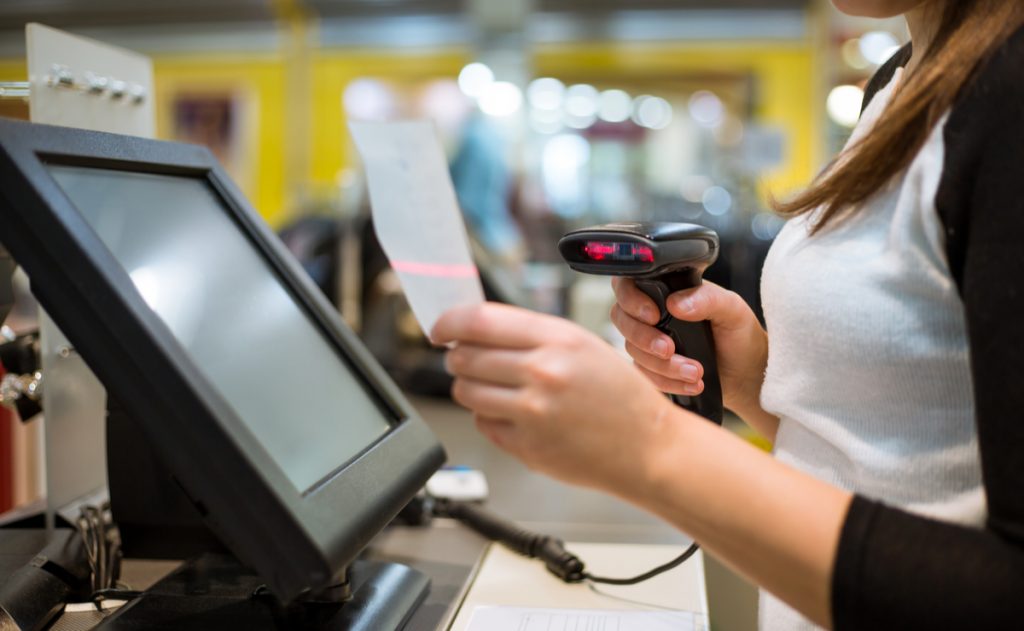
In cafes, orders can be transmitted directly to preparation areas, speeding up service. In retail stores, barcode scanning ensures quick and accurate billing. Faster service not only meets customer expectations but also increases transaction volume during peak hours.
Preparing for Future Trends
Technology continues to evolve, and customer expectations will continue to change. Cloud-based POS systems provide regular software updates and new features without requiring major hardware changes. This flexibility allows businesses to stay up to date with emerging trends such as self-checkout, digital receipts, and advanced analytics.
By investing in a scalable POS system, businesses create a foundation for long-term adaptability and growth.
Conclusion
Adapting to changing customer trends is essential for business survival and success. POS systems play a central role in this process by providing data insights, supporting modern payments, enabling personalization, integrating online and offline channels, and improving operational efficiency.
In an environment where customer expectations shift quickly, a modern POS system empowers businesses to respond confidently and strategically. Rather than reacting slowly to change, businesses equipped with advanced POS technology can lead the way and maintain a strong competitive advantage.