
How POS Systems Reduce Waiting Time for Customers
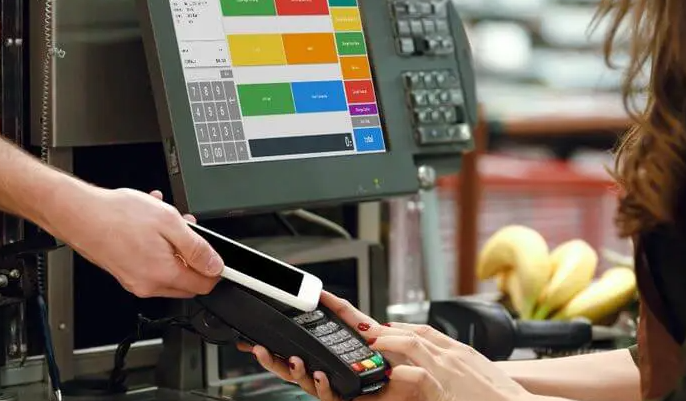
In today’s fast-paced business environment, customers expect quick and seamless service. Long waiting times at checkout counters or service points can frustrate customers and even drive them away. This is where Point of Sale (POS) systems play a crucial role. Modern POS systems are designed to streamline operations, speed up transactions, and create a smooth customer experience.
Faster Checkout Process
One of the biggest advantages of POS systems is their ability to significantly speed up the checkout process. Traditional billing methods often involve manual calculations, handwritten receipts, or slow systems that increase customer wait time. In contrast, POS systems automate the entire billing process. With barcode scanning, product details and prices are instantly retrieved, reducing the time needed to process each transaction.
This efficiency ensures that queues move faster, especially during peak hours, allowing businesses to serve more customers in less time.
Efficient Order Management
POS systems are not just limited to billing—they also help manage orders efficiently. In restaurants and cafes, orders taken through a POS system are directly sent to the kitchen, eliminating the need for manual communication. This reduces errors and saves time, ensuring that customers receive their orders faster.
By streamlining the flow of information between staff and departments, POS systems help reduce delays and improve overall service speed.
Integrated Payment Options
Modern POS systems support multiple payment methods, including cash, credit/debit cards, mobile wallets, and contactless payments. This flexibility allows customers to choose their preferred payment option, speeding up the transaction process.
Contactless and digital payments, in particular, have significantly reduced the time customers spend at checkout counters. Instead of waiting for change or dealing with payment issues, transactions are completed in seconds.
Real-Time Inventory Management
Another way POS systems reduce waiting time is through real-time inventory tracking. When stock levels are updated automatically, staff can quickly check product availability without leaving the counter or searching manually.
This prevents situations where customers have to wait while employees verify stock or look for items. Accurate inventory data ensures faster service and a smoother shopping experience.
Reduced Human Errors
Manual processes are more prone to errors, which can lead to delays and customer dissatisfaction. Incorrect billing, wrong orders, or pricing mistakes often require additional time to fix, increasing waiting times.
POS systems minimize these errors by automating calculations and storing accurate product information. This leads to faster and more reliable transactions, allowing customers to complete their purchases without unnecessary delays.
Improved Staff Productivity
POS systems simplify daily tasks for employees, allowing them to focus more on customer service rather than administrative work. With an easy-to-use interface, staff can quickly process orders, apply discounts, and handle transactions efficiently.
When employees are equipped with the right tools, they can work faster and manage customer flow more effectively. This directly reduces waiting times and enhances the overall customer experience.
Better Queue Management
Some advanced POS systems include features like queue management and order tracking. Businesses can monitor customer flow in real time and make adjustments as needed, such as opening additional counters during busy periods.
This proactive approach helps prevent long lines and ensures that customers are served promptly.
Enhanced Customer Experience
Reducing waiting time is one of the most important factors in improving customer satisfaction. When customers experience fast and efficient service, they are more likely to return and recommend the business to others.
POS systems help create a seamless experience from order placement to payment, leaving customers with a positive impression.
Conclusion
POS systems have become an essential tool for businesses aiming to deliver fast and efficient service. By automating processes, reducing errors, and improving workflow, they play a key role in minimizing customer waiting time.
In a competitive market, speed and convenience can make all the difference. Investing in a reliable POS system not only improves operational efficiency but also ensures higher customer satisfaction and long-term business success.