How Promotions Help Retail Businesses Increase Sales and Attract Customers

Promotions are an effective way for retail businesses to attract customers, increase sales, and encourage repeat purchases. Whether you operate a grocery store, supermarket, convenience store, clothing shop, or specialty retail business, offering the right deals can make your products more appealing and give customers a reason to buy.
Customers are often attracted to special offers, discounts, seasonal deals, and product bundles. These promotions can encourage shoppers to purchase products they need or try items they may not have considered before.
However, managing promotions manually can become complicated, especially when a business offers discounts on multiple products or runs several campaigns simultaneously.
This is where a Point of Sale (POS) system with promotion management features can help. Retailers can create and manage special offers, apply discounts during checkout, and monitor promotional sales performance.
Let’s explore how promotions help retail businesses grow and how POS software makes managing them easier.
1. Attract More Customers to Your Store
Promotions give customers an additional reason to visit a retail store. Special offers and discounts can attract new shoppers who are looking for better value.
For example, a grocery store advertising discounts on selected products may attract customers who want to save money on their regular purchases.
Retail businesses can use different types of promotions, such as:
- Weekend discounts.
- Seasonal sales.
- Limited-time offers.
- New product promotions.
- Clearance sales.
- Special member discounts.
Promoting these offers through social media, websites, and in-store displays can help businesses reach more potential customers.
2. Increase Sales and Encourage More Purchases
Promotions can encourage customers to purchase more products than they originally planned.
For example, a retailer offering a discount when customers purchase three products instead of one may encourage shoppers to increase their basket size.
Common promotional strategies include:
- Buy 1, Get 1 Free.
- Buy 2, Get 1 at a Discount.
- Spend $50 and Receive 10% Off.
- Bundle Deals.
- Discounts on Selected Categories.
These offers can increase the number of items customers purchase and create opportunities to improve overall sales.
3. Increase the Average Transaction Value
The average transaction value represents how much customers spend per transaction.
Retailers can use promotions to encourage customers to spend more during each visit.
For example, a store may offer a $5 discount when customers spend more than $50. A customer planning to spend $45 may decide to add another product to qualify for the discount.
This strategy encourages customers to purchase additional items while receiving an attractive offer.
A POS promotion feature can help businesses configure qualifying purchase amounts and apply supported discounts automatically at checkout.
4. Clear Slow-Moving and Excess Stock
Some products remain on shelves longer than expected. Slow-moving stock can take up valuable storage space and tie up business money.
Promotional discounts can help retailers encourage customers to purchase these products.
For example, a clothing store may offer 30% off selected seasonal clothing to clear remaining inventory before introducing a new collection.
Retailers can use promotions to:
- Clear seasonal products.
- Reduce excess inventory.
- Move discontinued items.
- Promote products with low demand.
- Make room for new stock.
When planned carefully, these promotions can help businesses manage inventory more effectively.
5. Encourage Repeat Purchases and Customer Loyalty
Attracting new customers is important, but encouraging existing customers to return is equally valuable.
Promotions can make customers feel appreciated and give them an incentive to shop again.
Retailers can offer:
- Loyalty discounts.
- Birthday offers.
- Member-only promotions.
- Reward points.
- Special offers for regular customers.
For example, a grocery store may provide exclusive discounts to registered loyalty customers.
When supported by a POS customer management system, businesses can track customer purchases and manage eligible promotional offers more conveniently.
6. Promote New Products and Increase Product Awareness
Introducing new products can be challenging because customers may not know about them.
Promotional campaigns can help retailers bring attention to newly launched products.
For example, a convenience store introducing a new range of snacks may offer a launch discount to encourage customers to try them.
Retailers can also use promotional displays, product bundles, and limited-time offers to highlight new products.
These strategies can help customers discover more products and create interest in the store’s product range.
7. Manage Discounts Easily with POS Software
Managing multiple promotions manually can be time-consuming and may lead to pricing errors.
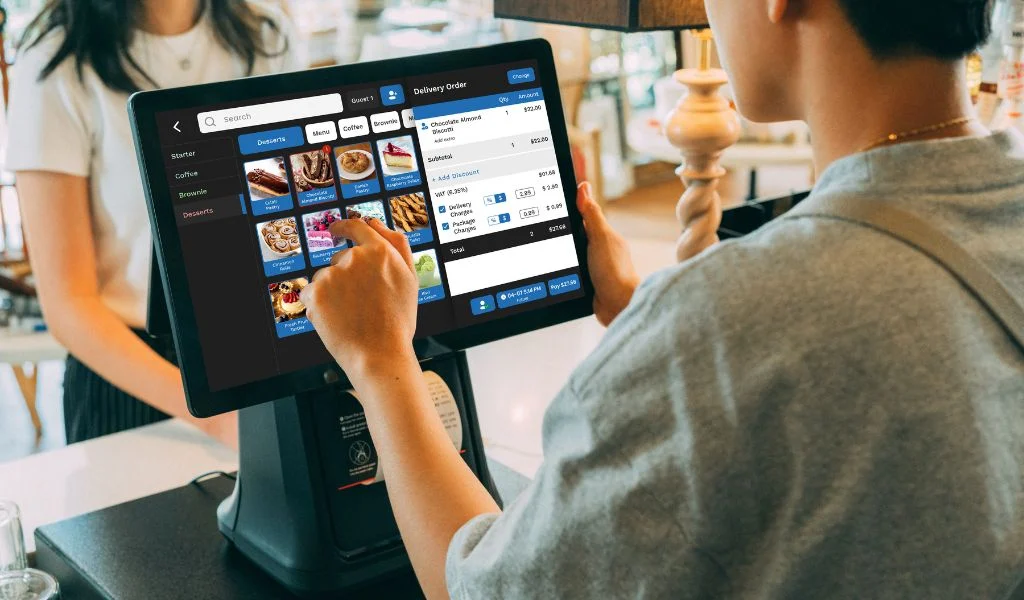
A POS system with promotion management features helps retailers create and manage different types of offers from one platform.
Depending on the available POS features, retailers may be able to configure:
- Percentage discounts.
- Fixed-amount discounts.
- Buy-one-get-one offers.
- Product-specific promotions.
- Category-based discounts.
- Time-based promotions.
- Customer-specific offers.
For example, a retailer can configure a 10% discount on selected products during a weekend campaign.
When an eligible product is scanned at checkout, the POS system can apply the configured discount automatically.
This reduces manual calculations and helps make promotional transactions faster.
8. Reduce Pricing Mistakes During Checkout
Manual discount calculations can create confusion for employees and customers.
Staff may accidentally apply the wrong discount, forget to include promotional products, or calculate an incorrect final price.
POS promotion features can help reduce these problems by applying configured offers automatically when the promotion conditions are met.
For example, if a customer purchases two eligible products under a configured multi-buy offer, the system can calculate the discount according to the promotion rules.
This helps businesses maintain more consistent pricing and reduces unnecessary checkout errors.
9. Monitor Promotional Performance Through POS Reports
Running promotions is only part of the process. Retailers also need to understand whether their campaigns are delivering useful results.
A POS system can provide sales reports that help business owners review promotional performance, depending on the available reporting features.
Retailers may be able to monitor:
- Sales of discounted products.
- Promotional transaction volume.
- Best-selling products.
- Discount amounts.
- Sales by date and time.
- Product performance before and during promotions.
For example, a retailer may compare sales of a product before and during a discount campaign to understand whether the promotion helped increase demand.
This information can help businesses plan better promotional strategies in the future.
10. Improve Customer Experience
Customers appreciate clear prices, attractive deals, and a smooth checkout experience.
Promotions can make shopping more enjoyable by helping customers find products that offer better value.
Retailers can improve the shopping experience by displaying promotional prices clearly, informing customers about qualifying offers, and ensuring discounts are applied correctly.
When promotions are managed through an integrated POS system, staff can spend less time calculating discounts manually and more time helping customers.
A positive shopping experience can encourage customers to return.
11. Create Seasonal and Special Occasion Campaigns
Seasonal promotions allow retailers to connect their offers with customer shopping habits throughout the year.
For example, businesses may run special campaigns during:
- Christmas and New Year.
- Easter.
- Valentine’s Day.
- Mother’s Day and Father’s Day.
- Back-to-school periods.
- End-of-season sales.
A grocery store may promote seasonal food products, while a clothing retailer may offer discounts on selected collections.
POS software can help retailers manage qualifying products, promotional prices, and campaign sales records where supported.
Planning these campaigns in advance can help businesses prepare their stock and marketing activities.
Best Practices for Running Retail Promotions
To make promotions more effective, retailers should follow these practical steps:
- Set clear objectives: Decide whether the goal is to increase sales, attract new customers, or clear excess stock.
- Choose the right products: Select products that match customer demand and business goals.
- Set suitable discounts: Make sure promotional prices support healthy profit margins.
- Use clear advertising: Display promotional details through signs, websites, and social media.
- Configure offers in the POS: Test discount conditions and eligibility before launching campaigns.
- Monitor inventory: Ensure sufficient stock is available for promoted products.
- Review sales reports: Check promotional performance after the campaign.
- Avoid excessive discounting: Make sure promotions do not reduce profitability unnecessarily.
Conclusion
Promotions are an effective way for retail businesses to attract customers, encourage additional purchases, clear slow-moving stock, and build customer loyalty.
By offering discounts, product bundles, seasonal deals, and special customer offers, retailers can create more shopping opportunities and improve the overall customer experience.
A POS system with promotion management features makes it easier to create offers, apply discounts automatically, reduce pricing errors, and monitor campaign performance.
With the right promotional strategy and POS software, retail businesses can turn special offers into opportunities for increased sales, stronger customer relationships, and long-term business growth.