Simplify Food Truck Management with a Smart POS System
Running a food truck is fast-paced and demanding. Between preparing fresh meals, serving customers quickly, managing inventory, and keeping financial records accurate, there’s little time for manual processes. Every minute counts, especially during lunch rushes, festivals, and special events.
A modern POS system for food trucks brings these essential tasks together in one platform. Instead of relying on separate tools for sales, payments, inventory, and accounting, food truck owners can manage everything from a single dashboard. This not only saves time but also improves accuracy and provides valuable insights to help the business grow.
In this article, we’ll explore how a POS system keeps food truck operations running smoothly from the moment a customer places an order to the final accounting reports at the end of the day.
Faster Order Taking and Accurate Sales
Food truck customers expect quick service. Long queues can discourage potential buyers and reduce sales during busy periods.
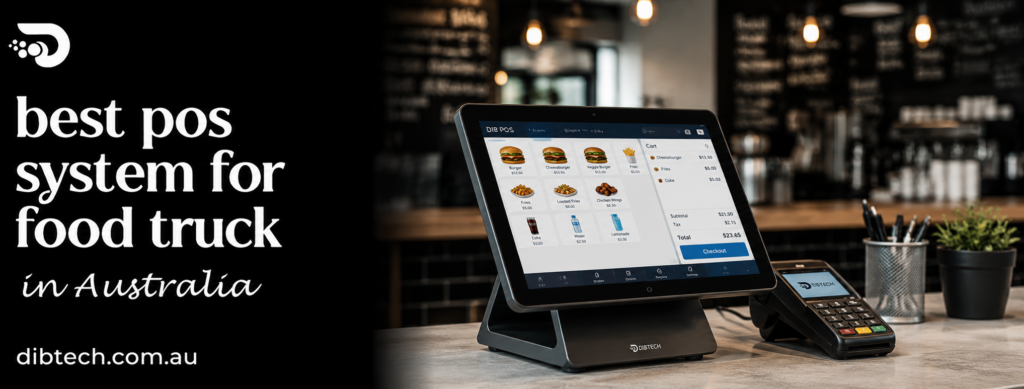
A POS system allows staff to enter orders quickly using an easy-to-use touchscreen interface. Orders are sent instantly to the kitchen or preparation area, reducing communication errors and speeding up food preparation.
Benefits include:
- Faster customer service
- Fewer order mistakes
- Shorter wait times
- Improved customer satisfaction
When orders move efficiently from the counter to the kitchen, your team can serve more customers without sacrificing quality.
Seamless Payment Processing
Today’s customers want flexible payment options. Whether paying by card, digital wallet, or contactless payment, they expect transactions to be fast and secure.
A modern POS system integrates payment processing directly into the checkout process, allowing businesses to:
- Accept multiple payment methods
- Reduce manual entry errors
- Process payments quickly
- Improve checkout efficiency
Integrated payments also simplify daily reconciliation because every transaction is automatically recorded.
Real-Time Inventory Tracking
Food trucks often operate with limited storage space, making inventory management especially important.
Every sale automatically updates stock levels, giving owners a real-time view of ingredient usage.
With inventory tracking, you can:
- Monitor ingredient levels
- Identify fast-selling menu items
- Reduce food waste
- Avoid running out of popular products
- Plan purchasing more effectively
Knowing exactly what you have in stock helps you prepare for busy service periods while minimizing unnecessary waste.
Smarter Menu Management
Not every menu item performs equally well.
A POS system provides detailed sales reports that show:
- Best-selling items
- Slow-moving products
- Peak sales times
- Popular meal combinations
These insights allow food truck owners to adjust menus based on customer demand, introduce profitable specials, and remove underperforming items.
Data-driven decisions help maximize revenue while keeping operations simple.
Simplified Staff Management
Even a small food truck team benefits from better organization.
Many POS systems include staff management features that allow owners to:
- Assign employee permissions
- Track individual sales performance
- Monitor shifts
- Record working hours
This creates greater accountability while simplifying payroll preparation.
Automatic Sales Reporting
Manual sales reporting often takes valuable time after a long working day.
A POS system automatically generates reports showing:
- Daily sales
- Hourly sales
- Payment summaries
- Tax reports
- Product performance
- Customer purchasing trends
Instead of spending hours calculating figures manually, owners receive accurate reports within seconds.
Easier Accounting and Financial Management
Accounting doesn’t have to be stressful.
A POS system records every transaction automatically, creating accurate financial records throughout the day.
Many modern POS platforms integrate with accounting software, allowing sales data to flow directly into bookkeeping systems.
This helps businesses:
- Reduce manual data entry
- Minimize accounting errors
- Simplify tax preparation
- Improve financial visibility
- Save time on bookkeeping
With organized financial records, business owners can spend less time on paperwork and more time growing their business.
Better Business Insights
A POS system is more than just a checkout tool—it becomes a valuable source of business intelligence.
Owners can quickly answer questions such as:
- Which menu items generate the highest profit?
- What are the busiest days of the week?
- Which payment methods do customers prefer?
- How much inventory is being used daily?
- Are sales increasing over time?
These insights support smarter business decisions and help improve profitability over the long term.
Supports Business Growth
As your food truck business grows, your POS system grows with it.
Whether you’re attending larger events, adding seasonal menu items, or expanding to multiple food trucks, a cloud-based POS system helps maintain consistent operations across your business.
Scalable POS solutions make it easier to:
- Manage multiple locations
- Access reports remotely
- Update menus instantly
- Track inventory across trucks
- Maintain consistent pricing
Growth becomes much easier when your technology can keep pace with your business.
Final Thoughts
A successful food truck relies on speed, organization, and accurate information. Managing orders, payments, inventory, reporting, and accounting separately can create unnecessary complexity and increase the risk of errors.
A modern POS system for food trucks connects every stage of the operation from the moment a customer places an order to the final accounting report at the end of the day. By automating routine tasks, providing real-time business insights, and simplifying financial management, it allows food truck owners to focus on what matters most: serving great food and delivering excellent customer experiences.
Whether you’re launching your first food truck or expanding an established business, investing in the right POS system can help streamline daily operations, improve efficiency, and support long-term success.