POS System Benefits: Why Businesses Are Switching to Smart POS Solutions
Introduction
Businesses today need more than just a simple billing machine to stay competitive. From managing inventory to improving customer experience, modern businesses require smart tools that simplify operations and increase efficiency. This is why many businesses are switching to Smart Point of Sale (POS) solutions.
A smart POS system is more than just a payment processor. It combines sales management, inventory tracking, reporting, customer management, and employee monitoring into one centralized platform.
Whether you run a retail store, restaurant, café, supermarket, or service-based business, adopting a smart POS system can transform the way you operate.
In this blog, we will explore the major benefits of POS systems and why businesses are rapidly moving toward smarter POS solutions.
What Is a Smart POS System?
A Smart POS system is a modern software and hardware solution designed to automate and simplify daily business operations. Unlike traditional cash registers, smart POS systems provide advanced features such as:
- Cloud-based management
- Real-time reporting
- Inventory automation
- EFTPOS integration
- Customer relationship management
- Multi-store synchronization
These systems help businesses improve operational efficiency while reducing manual work and human errors.
1. Faster and More Secure Payment Processing
One of the biggest advantages of a smart POS system is quick and secure payment handling.
Supported Payment Methods
- Cash payments
- Credit and debit cards
- Contactless payments
- Mobile wallets
- QR code payments
- Split payments
Integrated EFTPOS systems speed up transactions and reduce manual entry errors during payment processing.
Benefits
- Faster checkout experience
- Reduced billing mistakes
- Improved customer satisfaction
- Secure payment processing
2. Real-Time Inventory Management
Manual inventory management can be time-consuming and inaccurate. Smart POS systems automate inventory tracking in real time.
Inventory Features
- Automatic stock deduction
- Low-stock alerts
- Barcode scanning
- Product category management
- Supplier management
- Inventory transfer between branches
Businesses can monitor stock levels instantly and avoid inventory shortages or overstocking.
3. Accurate Sales Reporting and Business Insights
Smart POS systems generate detailed reports that help business owners make data-driven decisions.
Common Reports
- Daily sales reports
- Most-selling products
- Employee performance reports
- Tax summaries
- Profit and loss reports
- Customer purchase trends
Why Reporting Matters
- Identifies profitable products
- Tracks business growth
- Improves decision-making
- Helps plan future strategies
Real-time analytics give businesses complete visibility into their operations.
4. Better Customer Experience
Customer experience plays a major role in business success. Smart POS systems improve service quality through faster and more personalized interactions.
Customer Experience Features
- Faster billing process
- Loyalty and rewards programs
- Customer purchase history
- Personalized offers and discounts
- Multiple payment options
Satisfied customers are more likely to return and recommend your business.
5. Employee Management and Productivity Tracking
Managing employees becomes easier with a centralized POS system.
Employee Features
- Clock-in and clock-out tracking
- Shift scheduling
- Sales tracking by employee
- Role-based access control
- Attendance management
Business owners can monitor staff productivity and improve operational accountability.
6. Multi-Store and Remote Management
Cloud-based smart POS systems allow businesses to manage multiple branches from one platform.
Multi-Store Benefits
- Centralized inventory management
- Remote sales monitoring
- Unified pricing updates
- Real-time branch performance tracking
- Cloud data backup
This is especially useful for growing businesses and franchise operations.
7. Reduced Manual Errors and Improved Efficiency
Manual billing and reporting often lead to mistakes that can affect business performance.
Smart POS systems automate:
- Billing calculations
- Tax computations
- Inventory updates
- Report generation
Automation reduces human errors, saves time, and improves operational accuracy.
8. Integration with Other Business Tools
Modern POS systems integrate with various third-party tools to simplify business operations.
Common Integrations
- Accounting software
- eCommerce platforms
- Online ordering systems
- Delivery applications
- Payment gateways
Integrated systems create smoother workflows and reduce repetitive manual tasks.
9. Cloud Access and Data Security
Cloud-based POS solutions provide flexibility and enhanced security for businesses.
Security Features
- Cloud backups
- Encrypted payment processing
- Secure user access
- Real-time data synchronization
- Fraud prevention tools
Business owners can access important business information anytime and from anywhere.
10. Scalability for Future Growth
As businesses expand, smart POS systems make it easier to scale operations.
Scalability Advantages
- Easy addition of new terminals
- Multi-location support
- Centralized management
- Flexible software upgrades
Businesses can grow without needing to replace their entire system infrastructure.
Why Businesses Are Switching to Smart POS Solutions
Businesses are adopting smart POS systems because they provide:
- Faster operations
- Better inventory control
- Improved customer service
- Accurate reporting
- Remote management capabilities
- Reduced operational costs
- Increased business efficiency
In today’s competitive market, businesses need technology that supports growth, automation, and better decision-making.
Industries That Benefit from Smart POS Systems
Smart POS systems are suitable for:
- Retail stores
- Restaurants and cafés
- Supermarkets
- Fashion outlets
- Salons and spas
- Convenience stores
- Service businesses
Each industry can customize POS features according to operational needs.
Final Thoughts
Smart POS systems have become essential tools for modern businesses. From payment processing and inventory management to reporting and customer engagement, these systems simplify daily operations and improve overall business performance.
Businesses switching to smart POS solutions gain better control, increased efficiency, and valuable insights that support long-term growth.
As technology continues to evolve, adopting a smart POS system is no longer just an upgrade — it is a strategic investment for future business success.
Frequently Asked Questions (FAQ)
1. What is a smart POS system?
A smart POS system is an advanced business management solution that handles billing, inventory tracking, reporting, employee management, and customer relationship management in one platform.
2. How does a POS system improve business efficiency?
A POS system automates tasks like billing, inventory updates, tax calculations, and report generation, reducing manual work and operational errors.
3. Can a POS system manage inventory?
Yes. Smart POS systems track stock levels in real time, generate low-stock alerts, and automate inventory updates after every sale.
4. Are smart POS systems suitable for restaurants?
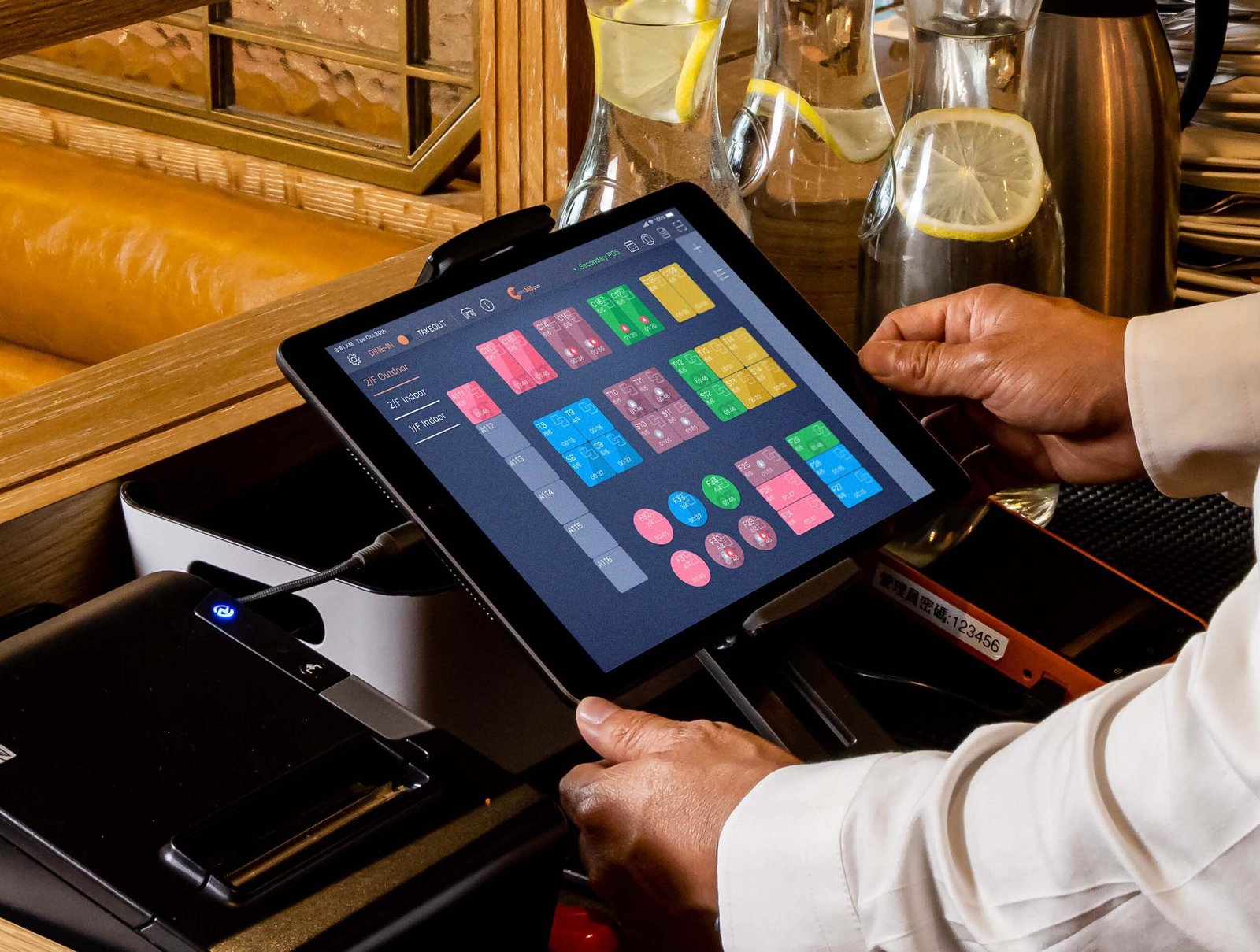
Yes. Restaurant POS systems include features like table management, kitchen display systems, split billing, and menu customization.
5. What payment methods can a POS system accept?
Modern POS systems support:
- Cash
- Debit and credit cards
- Contactless payments
- Mobile wallets
- QR code payments
6. Can I manage multiple stores using one POS system?
Yes. Cloud-based POS systems allow centralized management of multiple branches through a single dashboard.
7. Is cloud-based POS secure?
Most cloud POS systems use encrypted payment processing, secure backups, and role-based user access for better security.
8. Why are businesses switching to smart POS systems?
Businesses are switching because smart POS systems improve efficiency, reduce errors, provide real-time insights, and support business growth.