POS Systems: Features and Business Advantages
In today’s fast-paced business environment, efficiency, accuracy, and customer satisfaction are no longer optional—they are essential. Whether you run a retail store, restaurant, café, or service-based business, managing daily operations manually can slow growth and increase errors. This is where a Point of Sale (POS) system becomes a powerful business tool. A POS system does much more than process payments; it acts as the operational backbone of modern businesses.
What Is a POS System?
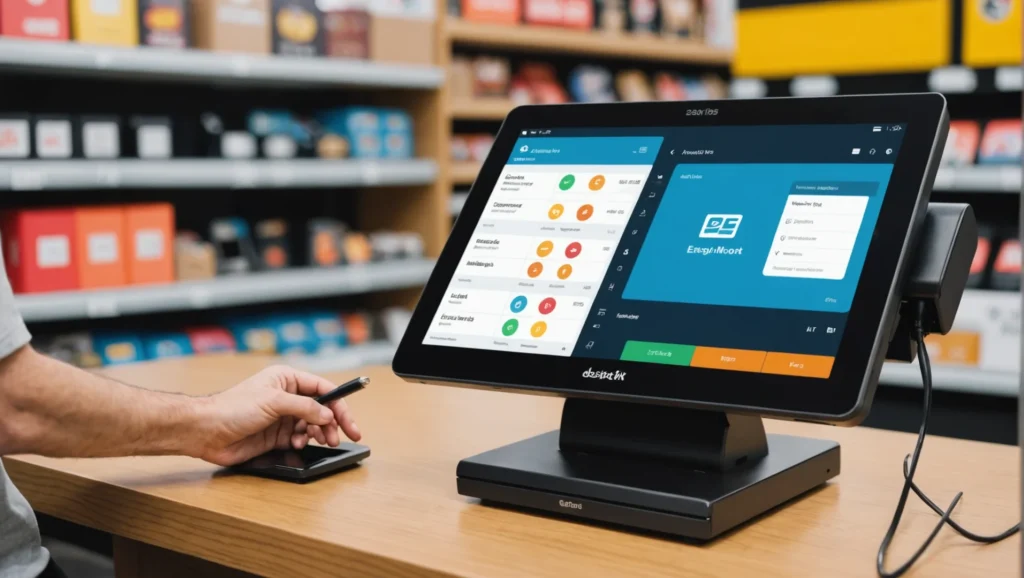
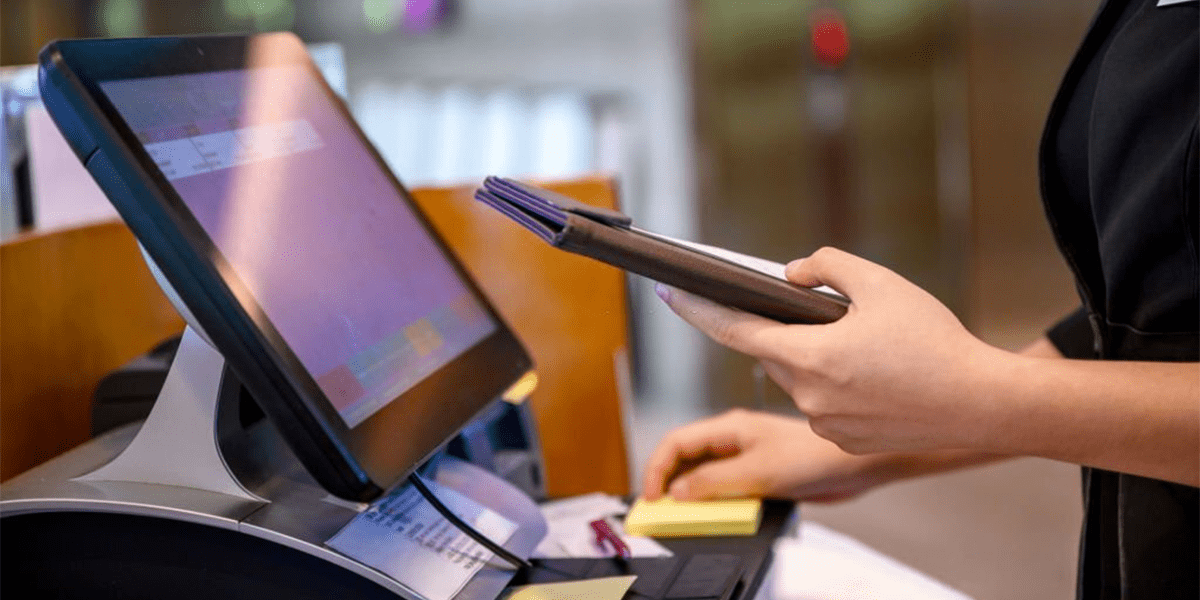
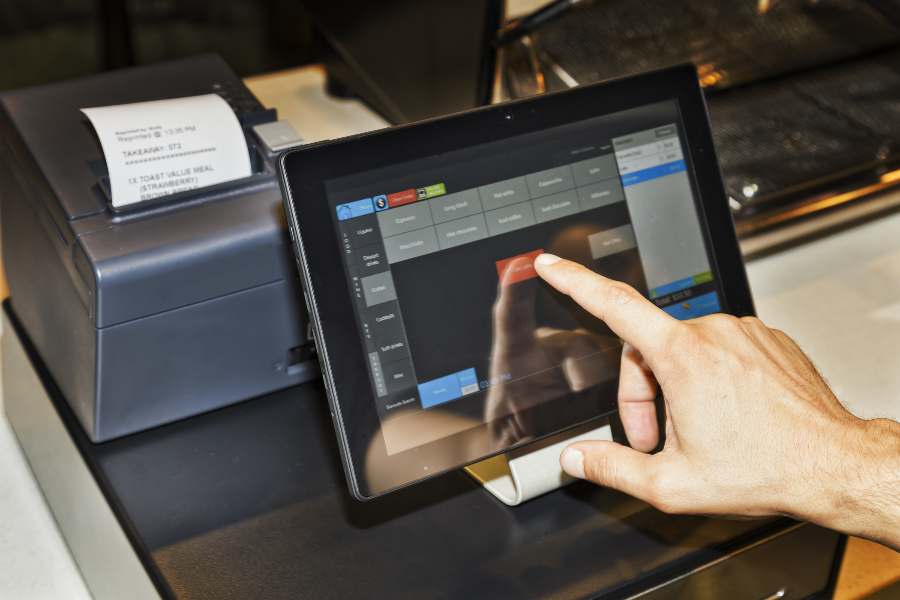
A POS system is a combination of software and hardware that allows businesses to complete sales transactions. It typically includes a touchscreen terminal, billing software, receipt printer, barcode scanner, and payment processing tools. Modern POS systems are often cloud-based, enabling real-time data access from anywhere. Beyond billing, POS systems manage inventory, track sales, generate reports, handle customer data, and support business decision-making.
Key Advantages of a POS System
1. Faster and More Accurate Transactions
One of the biggest advantages of a POS system is speed and accuracy at checkout. Automated billing reduces human errors caused by manual calculations. Faster transactions improve customer experience, reduce queue times, and allow staff to handle more customers efficiently, especially during peak hours.
2. Improved Inventory Management
A POS system automatically updates inventory with every sale. Business owners can track stock levels in real time, identify fast-moving products, and avoid overstocking or stock shortages. Automated inventory alerts ensure timely reordering, helping businesses save money and maintain smooth operations.
3. Better Sales Tracking and Reporting
POS systems provide detailed sales reports that show daily, weekly, or monthly performance. These insights help identify best-selling items, slow-moving products, peak sales hours, and seasonal trends. With accurate data, business owners can make informed decisions about pricing, promotions, and product offerings.
4. Enhanced Customer Experience
Modern POS systems store customer purchase history, preferences, and contact details. This enables personalized service, loyalty programs, and targeted promotions. When customers feel recognized and valued, it increases satisfaction, repeat visits, and brand loyalty.
5. Simplified Staff Management
Many POS systems include employee management features such as role-based access, attendance tracking, and sales performance monitoring. This improves accountability, reduces internal errors, and helps business owners reward top-performing staff while identifying training needs.
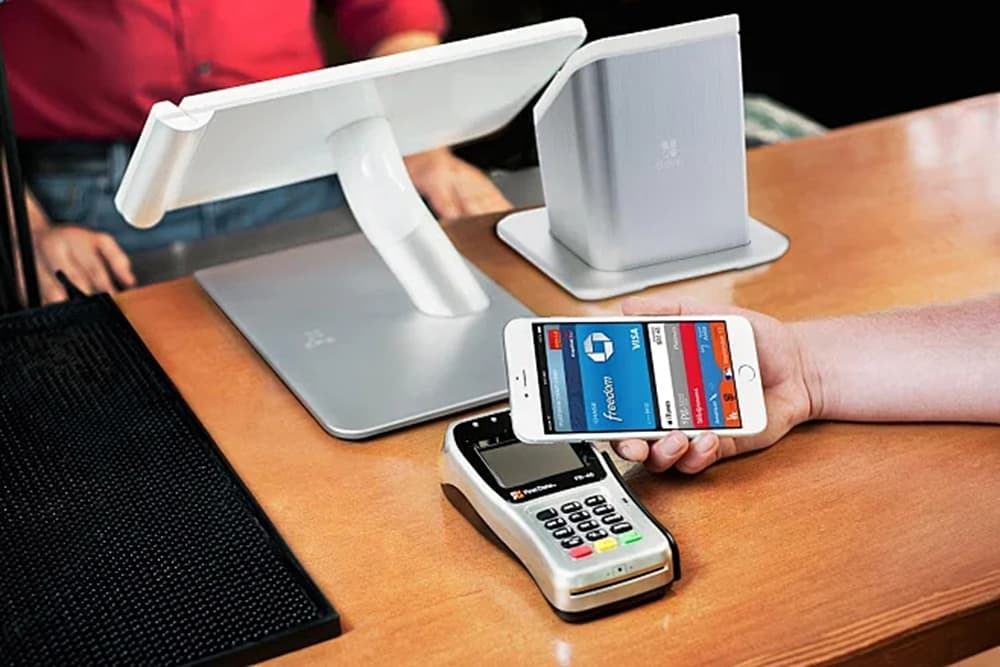
6. Seamless Payment Options
A POS system supports multiple payment methods including cash, cards, QR payments, and digital wallets. Offering flexible payment options enhances convenience for customers and reduces payment-related friction at checkout.
7. Centralized Business Control
Cloud-based POS systems allow owners to monitor their business from anywhere. Whether managing one outlet or multiple locations, all data is synchronized in real time. This centralized control improves consistency, transparency, and operational efficiency across branches.
8. Scalability for Business Growth
As a business grows, manual systems often become inefficient. POS systems are highly scalable, allowing businesses to add new products, users, locations, or features without disrupting operations. This makes POS technology ideal for businesses planning expansion.
9. Improved Security and Compliance
POS systems protect sensitive business and customer data through encryption, user permissions, and secure payment processing. Digital records also simplify audits, tax reporting, and compliance with regulatory requirements.
Conclusion
A POS system is no longer just a billing tool—it is a strategic investment that drives efficiency, accuracy, and growth. From streamlining daily operations to enhancing customer relationships and providing valuable business insights, the advantages of a POS system are clear. Businesses that adopt modern POS technology position themselves for long-term success, better decision-making, and stronger competitiveness in today’s digital marketplace.