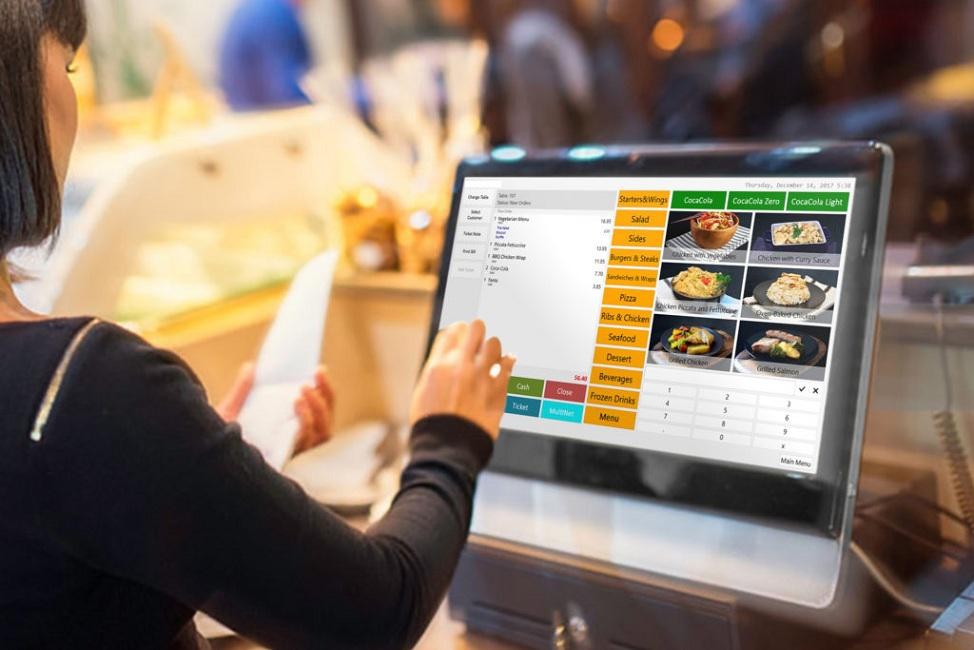
Why a Reliable Network Matters for POS Systems
A POS system does more than process sales. In many businesses, it connects the POS terminal with EFTPOS machines, receipt printers, kitchen printers, barcode scanners, customer displays, and online services. When these devices rely on the same network, a stable connection becomes an important part of keeping daily operations running smoothly.
A network problem may not always look like a network problem. A payment may remain pending, a printer may stop responding, or sales may take longer to sync. Understanding the connection between a POS system and the business network can make it easier to identify and resolve these issues.

How a Network Supports a POS System
A typical POS setup can include several devices communicating with each other. The main POS computer may need to communicate with a receipt printer, kitchen printer or EFTPOS terminal. In some setups, multiple POS terminals may also need to communicate with a local server or other devices.
The network provides the connection that allows these devices to exchange information.
For example, when a customer places an order, the POS may send information to a kitchen printer. When a payment is processed through an integrated EFTPOS terminal, the POS may need to communicate with the terminal to start the transaction and receive the payment result.
If the network connection between these devices is unreliable, communication can be interrupted.
What Happens When the Network Is Unstable?
A poor network connection can cause different problems depending on how the POS system is configured.
The POS may take longer to respond, devices may appear offline, printers may not receive jobs, or payment information may not return to the POS as expected.
In some cases, the POS application itself may appear to freeze when it is waiting for another device or service to respond.
This is why network problems can sometimes be mistaken for software or hardware problems.
POS and EFTPOS Communication
Payment processing is one area where network reliability can be particularly important.
With an integrated EFTPOS setup, the POS and payment terminal need to communicate during a transaction. The POS sends the payment request, the terminal processes the payment, and the result needs to be returned to the POS.
If communication is interrupted during this process, the terminal and POS may not show the same status.
For example, a payment could be approved on the EFTPOS terminal while the POS does not immediately receive the confirmation. This can create confusion for staff and may require the transaction to be checked before another payment is attempted.
Network Problems Can Affect Printers
Network-connected printers also depend on reliable communication.
A business may have a receipt printer at the counter and one or more kitchen printers connected to the POS network. When an order is completed, the POS sends the relevant information to the configured printer.
If the printer loses its network connection, the POS may not be able to send the print job successfully.
This can result in missing receipts, delayed kitchen orders or orders that remain in the print queue.
Wi-Fi vs Wired Connections
Businesses can use both wired and wireless connections for POS devices.
A wired Ethernet connection can provide a stable connection for devices that remain in a fixed location, such as POS terminals, printers and network equipment.
Wi-Fi can be useful for devices that need to move around the business. However, the quality of the connection can be affected by distance from the access point, walls, interference and network congestion.
The right setup depends on the business and the devices being used.
Why Network Configuration Matters
Having a network connection is not always enough. Devices also need to be configured correctly.
A printer may be connected to Wi-Fi but have an incorrect IP address configured in the POS. An EFTPOS terminal may be connected to the network but unable to communicate with the POS because the required settings are incorrect.
Businesses should make sure that POS devices are configured according to the requirements of their POS software and connected hardware.
Multiple Devices Can Increase Network Demands
A small business may have only one POS terminal and one printer. A larger business could have several POS terminals, EFTPOS terminals, kitchen printers, customer displays, scanners and other connected equipment.
As the number of connected devices increases, network management becomes more important.
A reliable network should be able to handle the devices and services used by the business without unnecessary interruptions.
Internet Problems vs Local Network Problems
It is also important to understand that an internet problem and a local network problem are not always the same thing.
A POS may communicate with devices inside the store through the local network while also requiring internet access for cloud services, online synchronisation or certain payment services.
This means a business could have working Wi-Fi but still have an internet problem, or have working internet access while one local POS device cannot communicate with another.
Identifying which connection is affected can help narrow down the cause of a problem.
Simple Things to Check When a POS Has Connection Problems
When a POS device stops communicating with another device, businesses can start with a few basic checks:
- Check whether the affected device is powered on.
- Check the network cable if the device uses Ethernet.
- Check whether the device is connected to the correct Wi-Fi network.
- Check whether other POS devices are experiencing the same problem.
- Restart the affected device if appropriate.
- Check the device’s network and IP settings.
- Check whether the printer or EFTPOS terminal is showing as connected.
- Check the router or network equipment for connection issues.
These checks can help determine whether the problem is isolated to one device or affects the wider network.
Why Businesses Should Avoid Unnecessary Network Changes
When troubleshooting a POS issue, changing several network settings at once can make the problem harder to identify.
For example, changing IP addresses, router settings, and printer configurations without recording the original settings can create additional problems.
It is better to identify which device is affected and check the relevant connection first. If the issue continues, the business’s POS or IT support team can investigate the network configuration in more detail.
A Reliable Network Supports Smoother Daily Operations
A POS system is often at the centre of a business’s daily operations. When the network is reliable, POS terminals, payment devices, printers, and other connected equipment can communicate more consistently.
A reliable network does not guarantee that every POS problem will be prevented, but it removes one common source of interruptions and makes it easier for connected devices to work together.
For businesses that rely on their POS system throughout the day, treating the network as an important part of the POS setup can help prevent avoidable disruptions and make troubleshooting easier.