Saving Time and Money with Automated POS
Running a restaurant or café involves constant multitasking. From managing orders and inventory to handling payments and staff coordination, daily operations can become overwhelming without the right tools. Efficiency is crucial not only for delivering excellent service but also for controlling costs. Automated Point of Sale (POS) systems have emerged as a practical solution, helping businesses save both time and money while improving overall productivity.
Reducing Manual Work
Traditional processes often rely on handwritten orders, manual calculations, and separate tracking methods for inventory or sales. These approaches are time-consuming and prone to human error. Automated POS systems simplify these tasks by digitizing order entry, calculations, and record keeping.
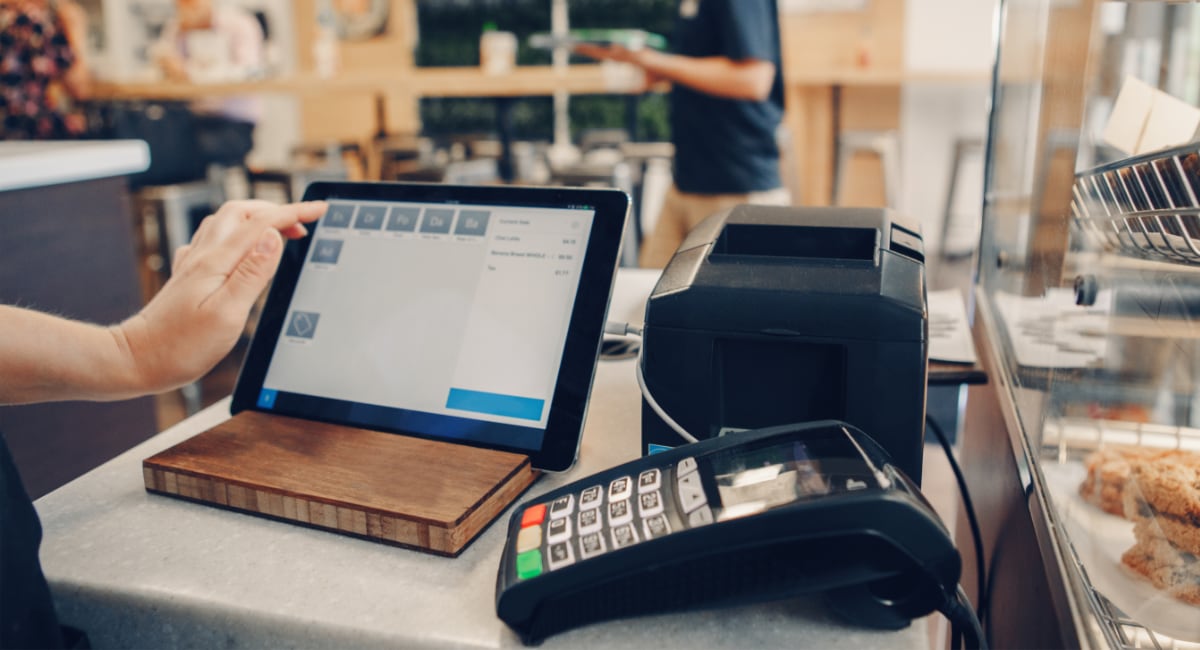
With just a few taps, staff can place orders that instantly reach the kitchen or preparation area. Totals, taxes, and discounts are calculated automatically, eliminating the need for manual adjustments. This saves valuable time for employees and allows them to focus more on customer service instead of administrative work.
Minimizing Errors and Losses
Mistakes in order taking, billing, or stock tracking can lead to unnecessary expenses. Incorrect orders may result in wasted ingredients, refunds, or dissatisfied customers. Automated POS systems significantly reduce such risks by ensuring accuracy at every stage.
Digital menus and standardized inputs help prevent miscommunication, while automated billing reduces calculation mistakes. Inventory tracking tools update stock levels in real time, making it easier to identify discrepancies early. By minimizing errors, businesses avoid financial losses and maintain smoother operations.
Improving Staff Productivity
Time savings also come from improved team efficiency. Automated POS systems streamline workflows by connecting front-of-house and back-of-house operations. Orders are transmitted instantly, reducing delays and confusion between staff members.
Training new employees becomes easier as modern POS interfaces are designed to be intuitive and user-friendly. This shortens onboarding time and helps teams adapt quickly. With better coordination and simplified processes, staff can serve customers faster, improving both productivity and satisfaction.
Better Inventory Management
One of the biggest sources of hidden costs in food service businesses is poor inventory control. Overstocking leads to waste, while understocking disrupts service. Automated POS solutions track ingredient usage as sales occur, providing clear visibility into stock levels.
These insights allow managers to plan purchases wisely, avoid over-ordering, and reduce spoilage. Some systems even generate reports highlighting trends and usage patterns, enabling smarter budgeting and cost control. Over time, these efficiencies translate into significant financial savings.
Faster and Flexible Payments
Checkout efficiency is another area where automation delivers value. POS systems support multiple payment options and process transactions quickly, reducing queues and improving customer experience. Faster transactions mean more customers can be served within the same timeframe, increasing revenue potential.
Digital receipts and automated record keeping also reduce paper usage and administrative effort. By simplifying payment handling and reporting, businesses save time that would otherwise be spent reconciling accounts manually.
Data-Driven Decision Making
Automated POS systems provide detailed insights into sales performance, peak hours, and customer preferences. Access to accurate data helps business owners make informed decisions about staffing, menu adjustments, and promotions.
Rather than relying on guesswork, managers can use reports to identify profitable items or eliminate underperforming ones. Strategic planning based on real data prevents unnecessary spending and supports long-term growth.
Conclusion
Saving time and money is a priority for every restaurant and café, and automated POS systems deliver on both fronts. By reducing manual work, minimizing errors, improving staff productivity, and enhancing inventory control, these systems create more efficient operations. Faster payments and actionable insights further strengthen financial performance.