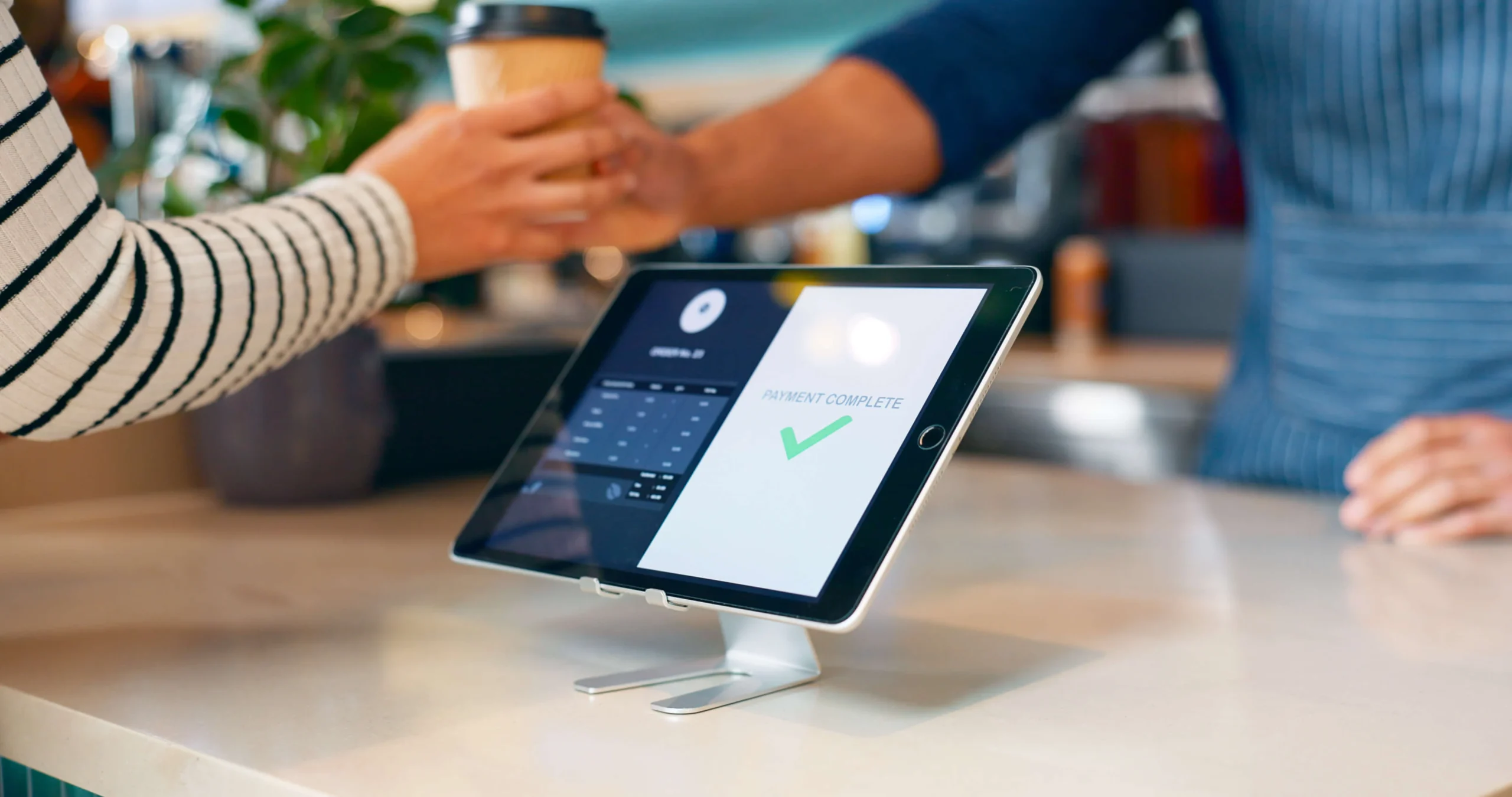
Startup POS System: A Strategic Selection Guide
For a new business, selecting a Startup POS system is a foundational decision that extends far beyond simple payment processing. In an environment where every dollar and every minute represents a critical resource, the point of sale functions as the operational hub for the entire business, integrating sales data, inventory management, and the customer experience into a single workflow. Building a company that is ready to scale from day one requires moving past basic checkout features to prioritize a system that offers the strategic logic necessary to accelerate long-term growth.

Here is how to evaluate your options to ensure your Startup POS system accelerates your growth rather than acting as an anchor.
1. Ensure Seamless Integration
The biggest mistake a new business makes is choosing a system that works well in isolation but cannot grow with you.
- The Growth Test: Ask yourself, “If I open a second location or launch an online store next month, will this system sync everything automatically?”
- Avoid “Closed” Systems: Some providers try to force you to use their specific tools for everything from your website to your marketing. This can be frustrating if you prefer a different accounting or email tool. Look for a system that is a “team player,” meaning it easily connects to the software you already use and love.
2. Total Data Ownership and Visibility
In a startup, data is your most valuable asset. You need a system that gives you total visibility into your business without making you work for it.
- Real-Time Truth: You should be able to see exactly what you have in stock and what your profit margins look like from your phone, at any time, anywhere.
- Customer Insight: Your system should help you recognize returning customers. Understanding who is buying from you allows you to build a brand, not just a checkout line.
- The Exit Strategy: Ensure you can export your customer lists and sales history into a standard format (like Excel). If you decide to switch systems in the future, you must own your data so you aren’t starting from scratch.
3. Evaluating the Financial Impact of a Startup POS System
Many businesses overlook the long-term cost of payment processing until it starts eating their margins.
- Bundled vs. Independent: Some systems force you to use their built-in payment processor. While convenient, this can become expensive as your sales volume grows.
- Transparent Margins: Seek a setup where the fees are clear. A small difference in percentage points might seem trivial now, but it can represent the salary of a new employee once you scale. Avoid contracts that lock you in for years without a way out.
4. Inventory as a Cash-Flow Tool
Most startups view inventory as a chore, but in a professional setup, it’s a strategic advantage.
- Automated Alerts: Look for systems that notify you when stock is low to prevent missed sales opportunities.
- Loss Prevention: A high-level system tracks every item from the moment it arrives until it is sold. This accountability is the only way to prevent “mysterious” losses as you hire more staff.
5. Reliability in the “Real World”
Technology is great until it isn’t. A professional-grade system needs to be battle-hardened for the chaos of a startup.
- The Internet Safety Net: What happens when the Wi-Fi goes down? Your system must continue taking payments locally and update everything automatically once you’re back online.
- The Support Audit: When your system glitches on a Saturday afternoon, you need a human, not a bot. Investigate if the provider offers 24/7 live assistance before you commit.
6. Operational Efficiency and Accountability
As you grow from a solo operation to a team, your POS becomes your primary management tool.
- The “Three-Tap” Rule: A sleek tablet is nice, but the interface must be built for speed. Your staff shouldn’t have to click through five screens just to finish one sale.
- Permission Tiers: Not everyone needs access to your bank details or the ability to issue refunds. Ensure the system allows you to set different “access levels” for owners, managers, and staff.
- Performance Tracking: Use hard data to see who your top sellers are, allowing you to reward employees based on facts rather than gut feeling.
Conclusion
Choosing a POS is a strategic investment in your startup’s infrastructure, not a one-time purchase. By focusing on flexibility, data ownership, and cost transparency, you ensure your technology stays out of your way so you can focus on what matters: growing your brand. A great system provides a “single source of truth” for your business, allowing you to make high-stakes decisions with confidence because your sales, inventory, and staff data work in harmony.
Do not be swayed by hardware aesthetics or introductory rates alone; instead, evaluate how a system handles pressure and how easily it lets you adapt as your needs change. Build your business on a foundation that is as ambitious as your vision. With the right tools in place, you aren’t just processing transactions; you are building a scalable, data-driven organization that is ready for the future.