How a Modern POS System Can Transform Your Business Operations
In today’s fast-paced, data-driven marketplace, the traditional cash register is a relic of the past. To thrive, businesses can no longer rely on disconnected tools that create silos of information. Instead, the Point of Sale (POS) system has evolved into a comprehensive business management hub—a centralized engine that drives efficiency, elevates the customer experience, and provides the intelligence needed for sustainable growth.
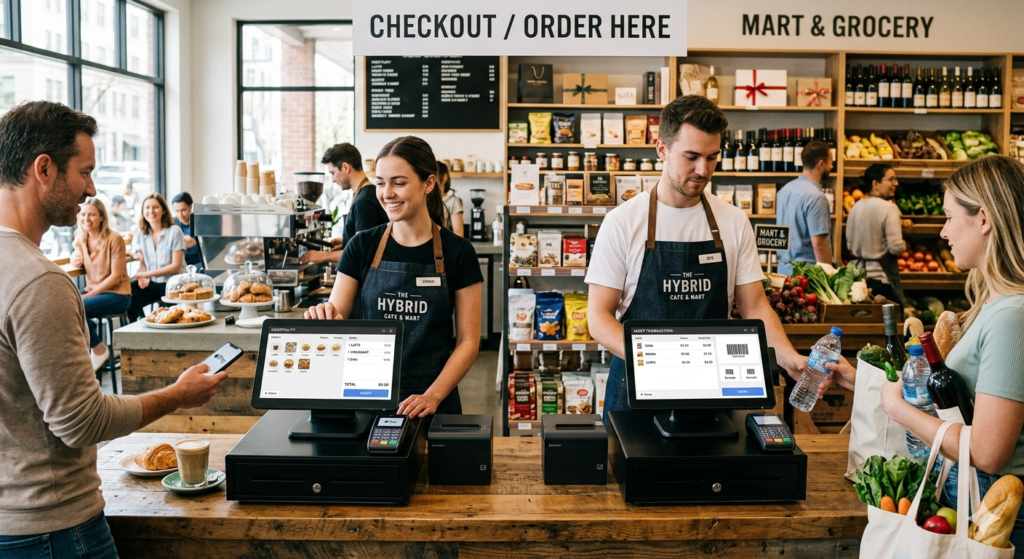
Whether you are running a bustling mart, a high-energy hospitality venue, or a hybrid of both, the right POS solution is the foundation of long-term success.
What Is a Modern POS System?
A modern POS system is more than just a tool for processing payments. It integrates hardware and software to manage sales, inventory, customer data, and reporting—all from a centralized platform. Unlike legacy systems, modern POS solutions are often cloud-based, allowing real-time access to data from anywhere.
1. Data-Driven Insights and Reporting
A modern POS system is more than just a tool for processing payments. It integrates hardware and software to manage sales, inventory, customer data, and reporting—all from a centralized platform. Unlike legacy systems, modern POS solutions are often cloud-based, allowing real-time access to data from anywhere.
2. Streamlined Sales and Faster Transactions
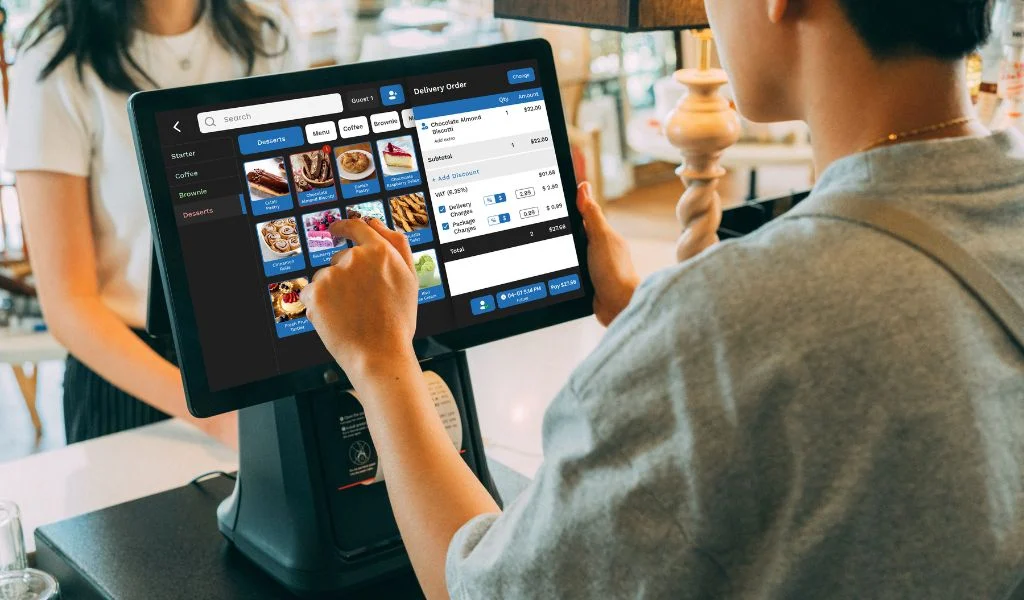
One of the most immediate benefits of a modern POS system is speed and efficiency at checkout. With intuitive interfaces and automated processes, transactions are completed quickly and accurately.
This not only reduces customer wait times but also minimizes human errors, ensuring a smoother purchasing experience. For businesses with high customer volume, such as restaurants or retail stores, this can significantly improve daily operations.
3. Real-Time Inventory Management
Managing inventory manually can lead to stock discrepancies, over-ordering, or missed sales opportunities. A modern POS system provides real-time inventory tracking, automatically updating stock levels with every sale.
This enables businesses to:
- Avoid stockouts and overstocking
- Track product performance
- Automate reordering processes
With accurate inventory data, decision-making becomes more strategic and less reactive.
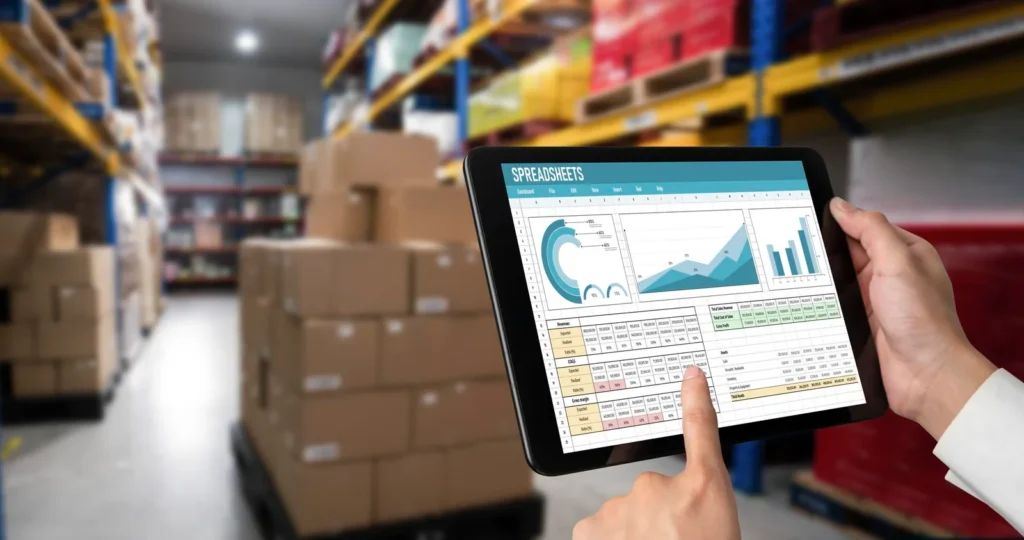
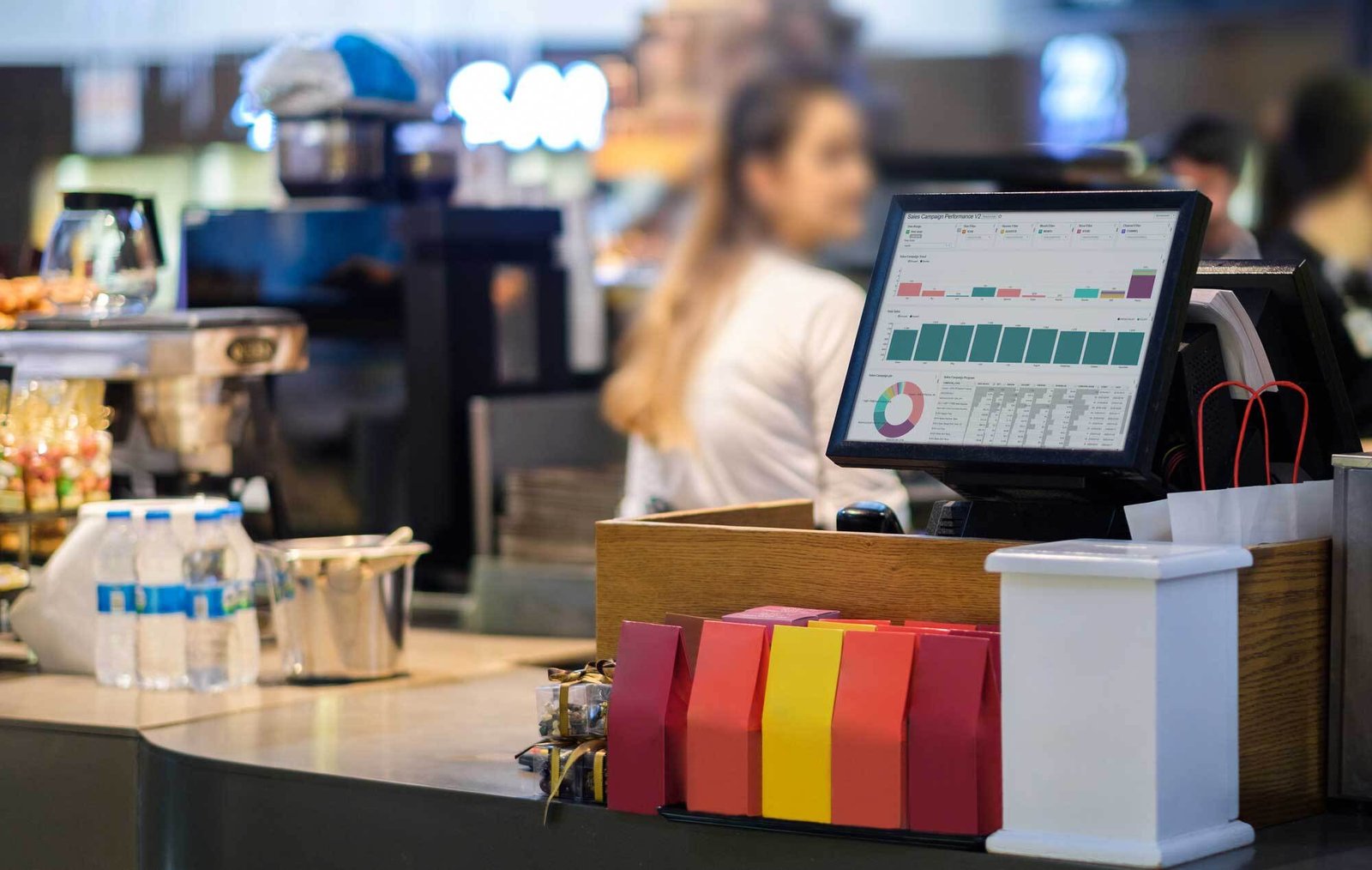
Modern POS systems generate detailed reports on sales, customer behavior, and product performance. These insights help business owners understand trends, identify top-selling items, and optimize pricing strategies.
Instead of relying on guesswork, you can make informed decisions backed by real-time analytics. This level of visibility is essential for scaling operations and improving profitability.
4. Enhanced Customer Experience
Customer expectations are higher than ever. A modern POS system helps deliver a seamless and personalized experience by:
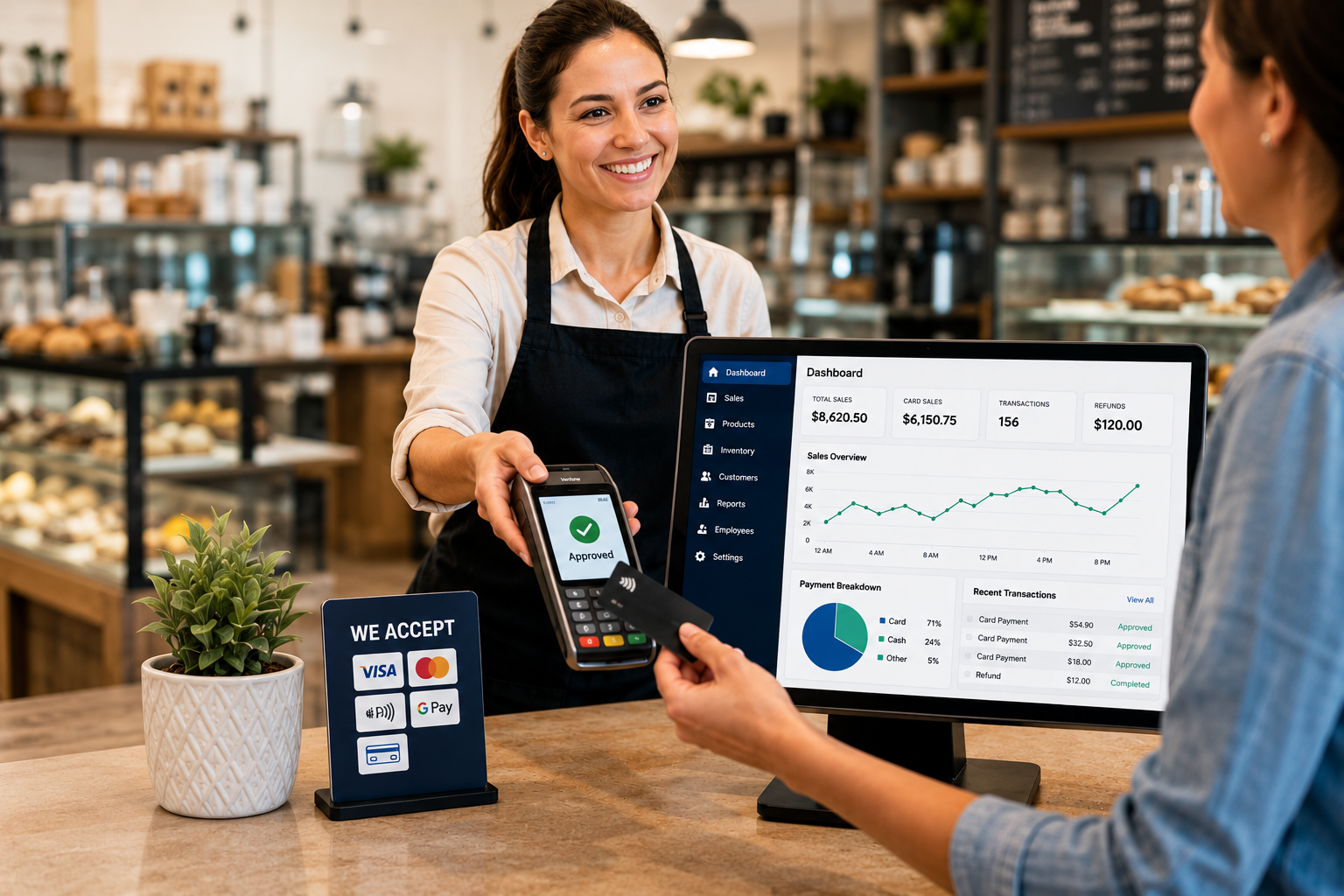
- Supporting multiple payment methods (cards, mobile wallets, contactless payments)
- Storing customer purchase history
- Enabling loyalty programs and targeted promotions
By understanding customer preferences, businesses can build stronger relationships and increase repeat sales.
5. Improved Staff Productivity and Management
With user-friendly interfaces and automation, staff can perform tasks more efficiently with minimal training. Modern POS systems also offer employee management features such as:
- Role-based access control
- Time tracking and attendance
- Performance monitoring
This helps reduce operational complexity while improving accountability and productivity.
6. Cloud Access and Business Flexibility
Cloud-based POS systems allow business owners to access reports, monitor sales, and manage operations from anywhere. Whether you operate a single store or multiple locations, you can stay connected in real time.
This flexibility is especially valuable for growing businesses that require centralized control and scalability.
7. Reduced Errors and Better Accuracy
Manual processes are prone to errors that can impact revenue and customer satisfaction. A modern POS system automates calculations, billing, and reporting, ensuring accuracy across all operations.
This reduces discrepancies and builds trust with customers and stakeholders alike.
8. Scalability for Future Growth
As your business grows, your POS system should grow with you. Modern solutions are designed to scale, allowing you to add new features, locations, or integrations without disrupting operations.
This future-proof approach ensures that your investment continues to deliver value over time.
Conclusion
A modern POS system is no longer a luxury—it is a necessity for businesses aiming to stay competitive in today’s market. From streamlining sales and managing inventory to delivering data-driven insights and enhancing customer experiences, the benefits are substantial.
By adopting the right POS solution, businesses can improve efficiency, reduce costs, and unlock new opportunities for growth.