Turning Transactions into Experiences with POS
In modern commerce, a transaction is no longer just an exchange of money for goods or services. Customers expect convenience, efficiency, and engagement at every touchpoint. Businesses that succeed today understand that every interaction at the checkout counter is an opportunity to create a lasting impression. This is where modern Point of Sale (POS) systems step in — transforming routine transactions into meaningful customer experiences that build loyalty and strengthen brand perception.
Beyond Payment Processing
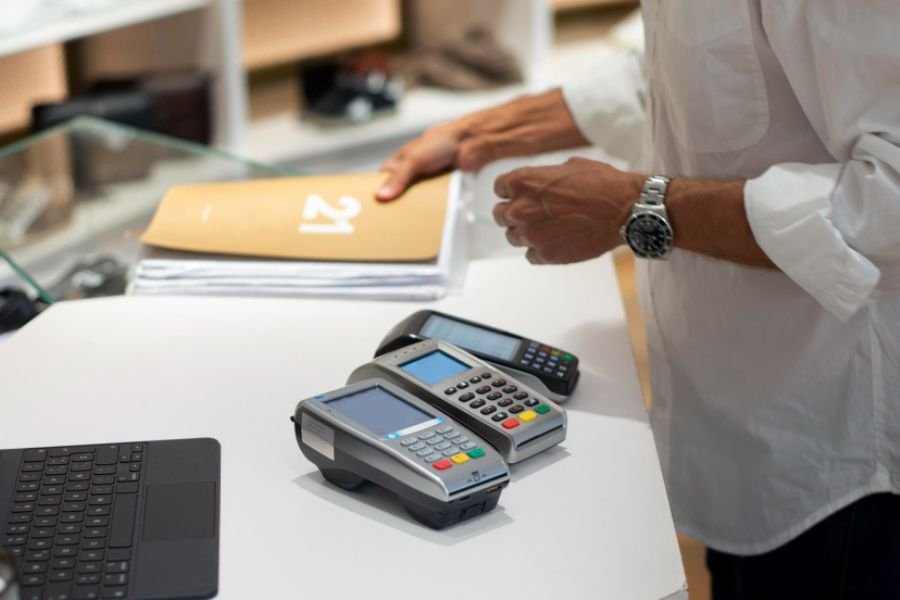
Traditionally, POS systems were designed simply to record sales and process payments. While this functionality remains essential, today’s solutions offer far more. They act as centralized hubs connecting sales, inventory, customer data, and communication tools. This integration enables businesses to move beyond mechanical checkout processes and focus on delivering value-driven interactions.
By simplifying workflows and reducing manual errors, POS platforms allow staff to spend less time dealing with technical issues and more time engaging with customers. The result is smoother service, faster response times, and a more enjoyable environment that customers remember positively.
Speed and Convenience
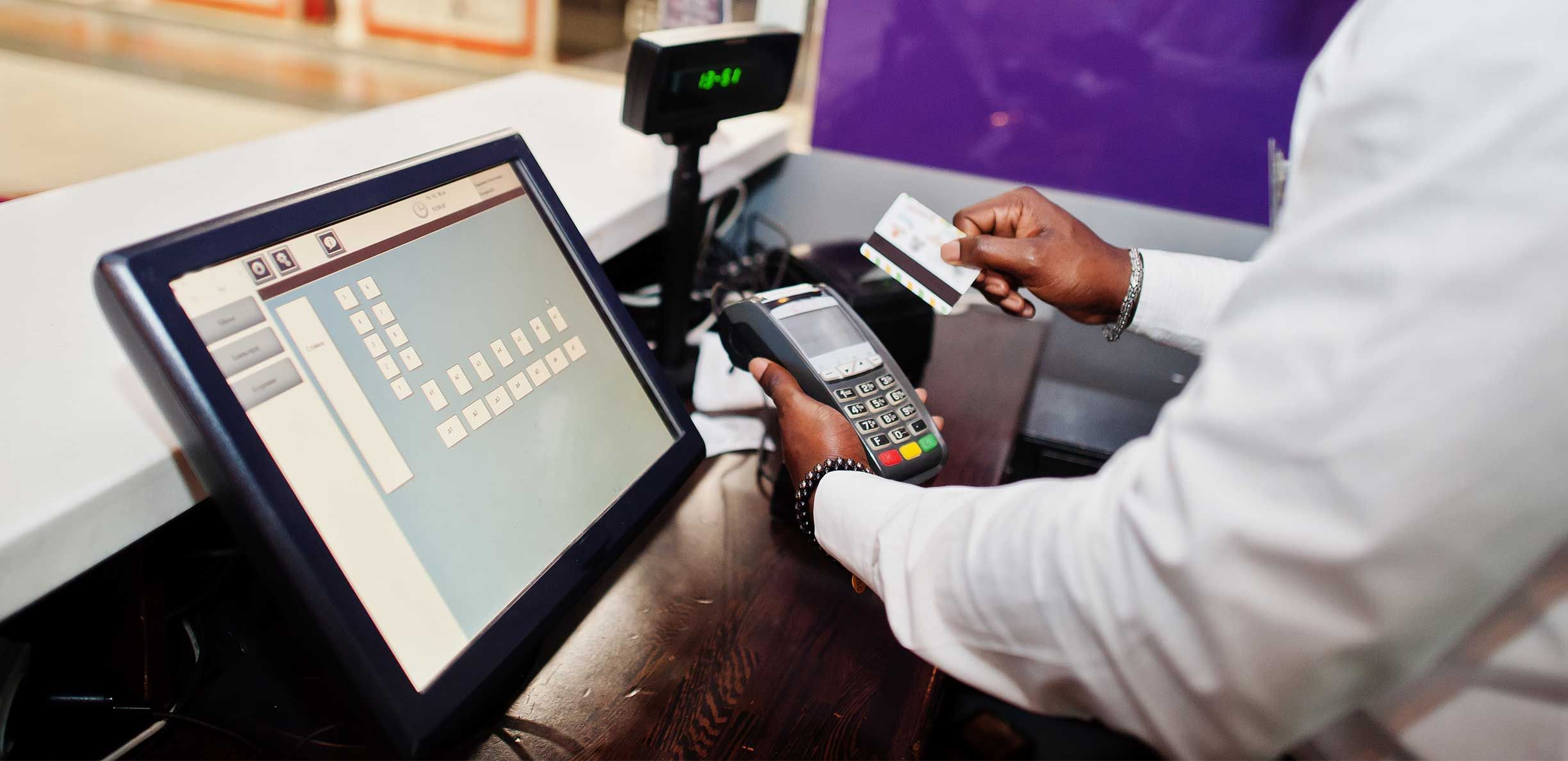
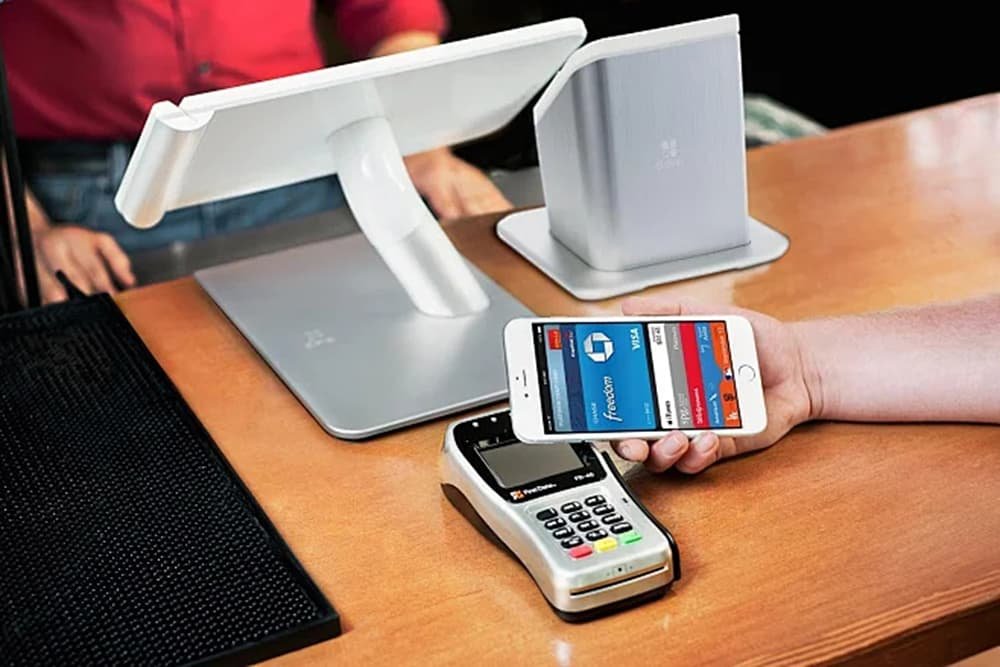
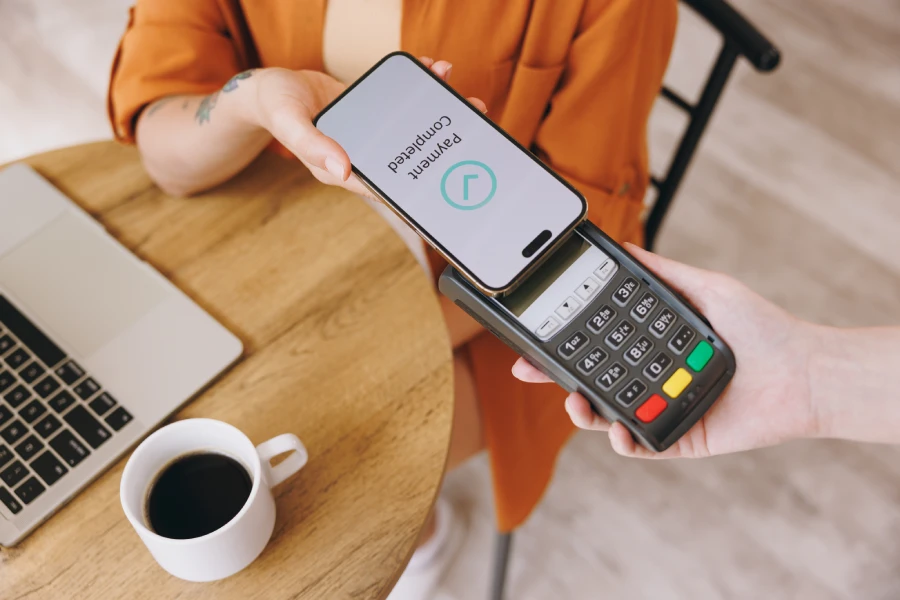
Efficiency plays a crucial role in shaping customer perception. Long waiting times or complicated payment procedures can quickly turn satisfaction into frustration. Modern POS technology supports contactless payments, digital wallets, and multiple payment options that streamline the checkout process. Faster transactions enhance convenience, especially during peak hours when efficiency matters most.
Additionally, mobile POS devices allow transactions to happen anywhere within a store or venue. Instead of standing in lines, customers can complete purchases directly through staff assistance on the floor. This flexibility makes the experience feel personalized and attentive rather than routine.
Personal Interaction Through Data
One of the most powerful aspects of POS systems is their ability to capture and utilize customer insights. Purchase histories, preferences, and engagement patterns can help businesses tailor their approach during future visits. Employees equipped with relevant information can make thoughtful recommendations or recognize returning customers, adding a human element supported by technology.
This data-driven personalization helps customers feel acknowledged and valued. Instead of being treated as anonymous buyers, they experience service designed around their preferences, turning transactions into interactions that strengthen relationships.
Creating Memorable Touchpoints
POS systems contribute to customer experience in subtle yet impactful ways. Digital receipts provide convenience and environmental benefits, while integrated loyalty programs reward ongoing engagement. Promotional messages, reward tracking, and targeted offers delivered at checkout reinforce positive impressions.
Moreover, clear and accurate billing fosters trust. Customers appreciate transparency, and when transactions are handled smoothly without confusion or delays, it enhances confidence in the business. Each seamless interaction contributes to a larger perception of reliability and professionalism.
Supporting Staff Empowerment
A great customer experience often depends on confident, well-equipped staff. POS systems reduce operational complexity by automating inventory checks, pricing updates, and reporting tasks. This enables employees to focus on assisting customers rather than troubleshooting backend issues.
When staff have access to real-time information, they can answer questions quickly and provide guidance without hesitation. Empowered employees create stronger interactions, and these positive engagements are what customers remember long after leaving the premises.
Driving Long-Term Engagement
Transforming transactions into experiences isn’t just about the immediate moment — it’s about creating continuity. POS-driven insights help businesses maintain ongoing connections through loyalty rewards, feedback tracking, and personalized outreach. These tools ensure that customer relationships extend beyond the point of sale.
As expectations continue to evolve, businesses that leverage POS systems strategically will stand out by delivering experiences that combine efficiency with attentiveness. Technology alone doesn’t create engagement; it’s the thoughtful use of that technology that makes the difference.
Conclusion
Modern POS systems have reshaped how businesses approach customer interactions. By enhancing speed, enabling personalization, supporting staff, and creating seamless touchpoints, they turn simple transactions into memorable experiences. Companies that embrace this shift position themselves to foster loyalty, strengthen brand identity, and meet the growing demand for meaningful engagement. In a world where experience defines success, the POS system has become a vital bridge between operational efficiency and customer satisfaction.