Why Every Retail Business Needs a Smart POS System
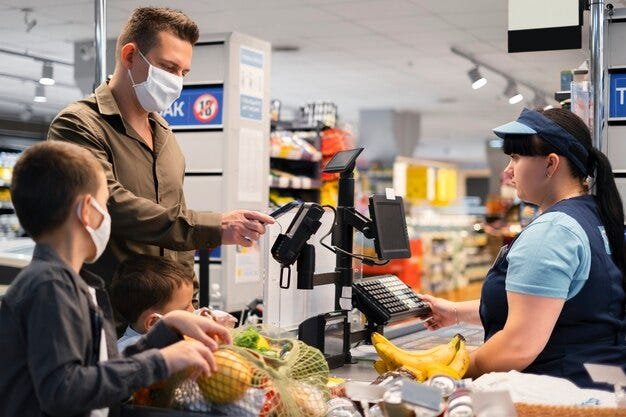
In today’s rapidly evolving retail landscape, customer expectations are higher than ever. Shoppers demand fast service, multiple payment options, personalized experiences, and seamless transactions—both online and in-store. To meet these expectations while maintaining operational efficiency, retailers are increasingly turning to smart Point of Sale (POS) systems.
A modern POS system is no longer just a tool for processing payments. It has become the operational backbone of successful retail businesses, helping manage inventory, track sales, analyze customer behavior, and streamline daily operations from a single platform.
In this blog, we’ll explore why every retail business needs a smart POS system and how it can drive long-term growth, efficiency, and customer satisfaction.
What Is a Smart POS System?
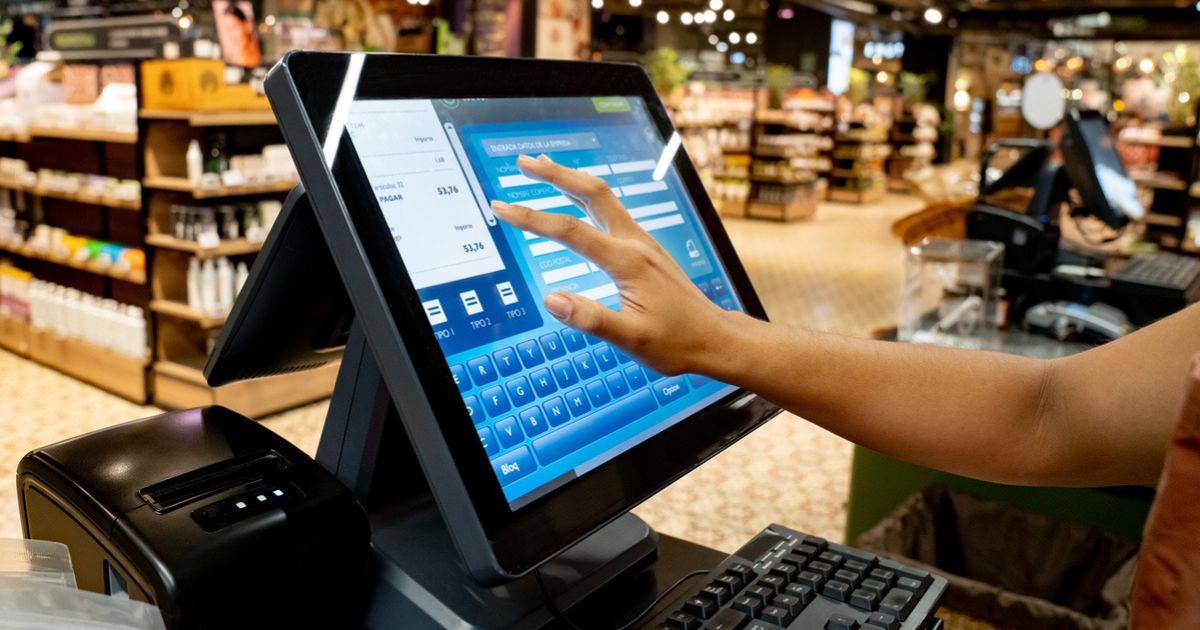
A smart POS system is an advanced retail management solution that combines hardware and software to automate and optimize business operations. Unlike traditional cash registers, smart POS systems offer cloud connectivity, real-time analytics, inventory management, customer relationship tools, and integrated payment processing.
These systems are designed to help retailers improve productivity while delivering a more seamless shopping experience.
1. Faster and More Efficient Checkout Experience
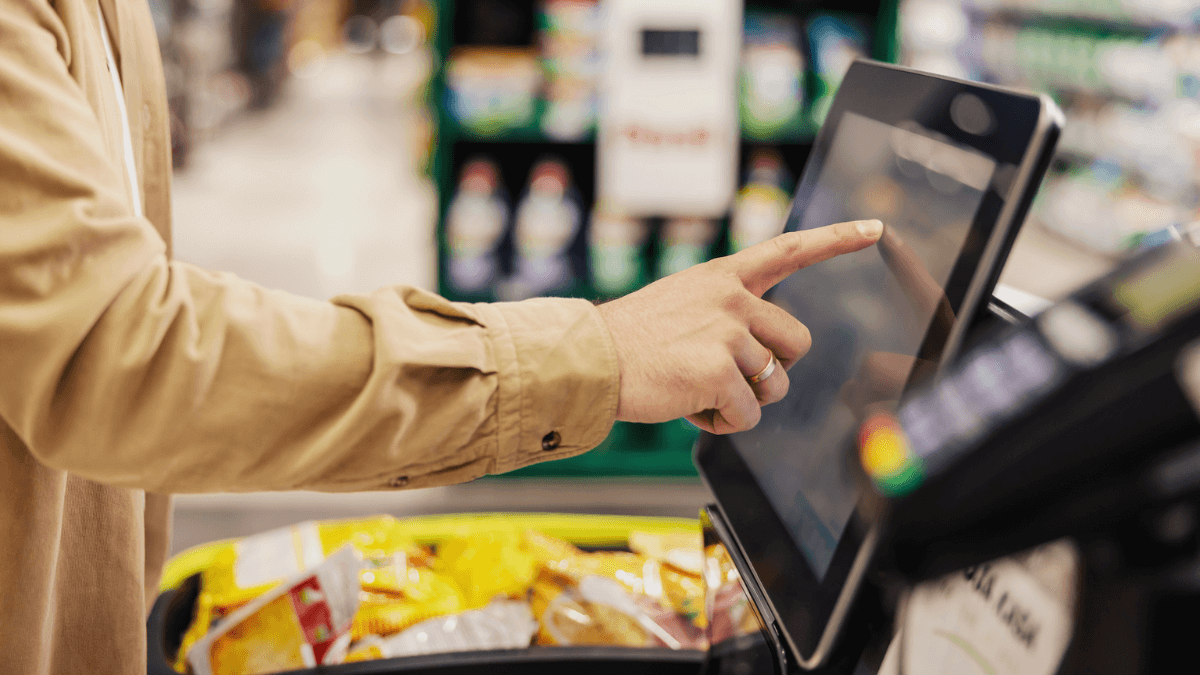
Long checkout lines and slow billing processes can negatively impact customer satisfaction. A smart POS system speeds up transactions by automating billing, barcode scanning, discounts, taxes, and payment processing.
Modern systems support:
- Credit and debit cards
- Contactless payments
- Mobile wallets
- QR code payments
- Split payment options
This not only improves checkout speed but also reduces manual billing errors and enhances customer convenience.
2. Real-Time Inventory Management
Inventory management is one of the biggest challenges in retail. Manual stock tracking often leads to:
- Overstocking
- Stock shortages
- Product mismatches
- Revenue loss
A smart POS system automatically updates inventory levels after every transaction, providing retailers with real-time stock visibility.
With advanced inventory features, businesses can:
- Track product movement
- Monitor low-stock items
- Manage multiple store locations
- Generate automated purchase orders
This helps retailers make informed purchasing decisions while reducing inventory-related losses.
3. Improved Sales Tracking and Reporting
Data-driven decision-making is essential for retail success. Smart POS systems provide detailed reports and analytics that help businesses understand:
- Daily sales performance
- Best-selling products
- Peak business hours
- Customer buying behavior
- Profit margins
These insights allow retailers to optimize pricing strategies, promotions, and inventory planning for maximum profitability.
4. Better Customer Experience and Loyalty
Customer retention is just as important as acquiring new customers. Smart POS systems help retailers build stronger customer relationships through integrated CRM (Customer Relationship Management) features.
Retailers can:
- Store customer purchase history
- Create loyalty and rewards programs
- Offer personalized promotions
- Send targeted marketing campaigns
Personalized shopping experiences increase customer satisfaction and encourage repeat business.
5. Seamless Omnichannel Integration
Modern retail businesses operate across multiple sales channels, including physical stores, e-commerce websites, and mobile platforms.
A smart POS system integrates all sales channels into one centralized platform, ensuring:
- Consistent pricing
- Unified inventory tracking
- Centralized order management
- Better customer experience across channels
This omnichannel capability is essential for retailers looking to expand their digital presence.
6. Reduced Human Errors
Manual processes often result in pricing mistakes, duplicate entries, and inaccurate reporting. Smart POS systems automate key operations, significantly reducing human error.
Automation improves:
- Billing accuracy
- Inventory tracking
- Tax calculations
- Sales reporting
By minimizing operational mistakes, businesses can improve efficiency and maintain customer trust.
7. Enhanced Employee Management
Managing staff effectively is critical for retail operations. Smart POS systems provide employee management tools that help track:
- Staff attendance
- Sales performance
- Cash handling activities
- User permissions and access control
These features improve accountability and help managers monitor employee productivity more efficiently.
8. Cloud-Based Accessibility and Security
Cloud-based POS systems allow retailers to access business data anytime and from anywhere. This is especially beneficial for businesses with multiple store locations.
Cloud POS systems offer:
- Automatic data backups
- Secure storage
- Remote monitoring
- Real-time synchronization
This ensures business continuity and protects critical operational data from loss or hardware failure.
9. Scalability for Growing Businesses
As retail businesses grow, their operational needs become more complex. A smart POS system is designed to scale with business growth by supporting:
- Multiple outlets
- Additional registers
- Expanded inventory
- Advanced reporting features
This flexibility makes smart POS systems a long-term investment for retailers planning future expansion.
10. Competitive Advantage in the Retail Market
Retail competition is stronger than ever. Businesses that adopt smart technology gain a significant advantage through:
- Faster service
- Better operational efficiency
- Improved customer experiences
- Data-driven business decisions
A smart POS system helps retailers stay ahead by modernizing operations and improving overall business performance.
Conclusion
A smart POS system is no longer optional for modern retail businesses—it is an essential tool for operational success and sustainable growth. From improving inventory management and reducing manual errors to enhancing customer experiences and streamlining sales processes, the benefits are substantial.
Retailers that invest in a smart POS solution position themselves to operate more efficiently, make better business decisions, and adapt quickly to changing customer expectations.
As the retail industry continues to evolve, businesses equipped with intelligent POS technology will be better prepared to compete, grow, and succeed in the digital era.