Say Goodbye to Manual Errors with a Modern POS System
In today’s competitive business environment, even small operational mistakes can lead to major financial losses, poor customer experiences, and reduced productivity. Businesses that still rely on manual billing, handwritten inventory tracking, or outdated cash registers often struggle with pricing errors, stock mismatches, and inaccurate reporting.
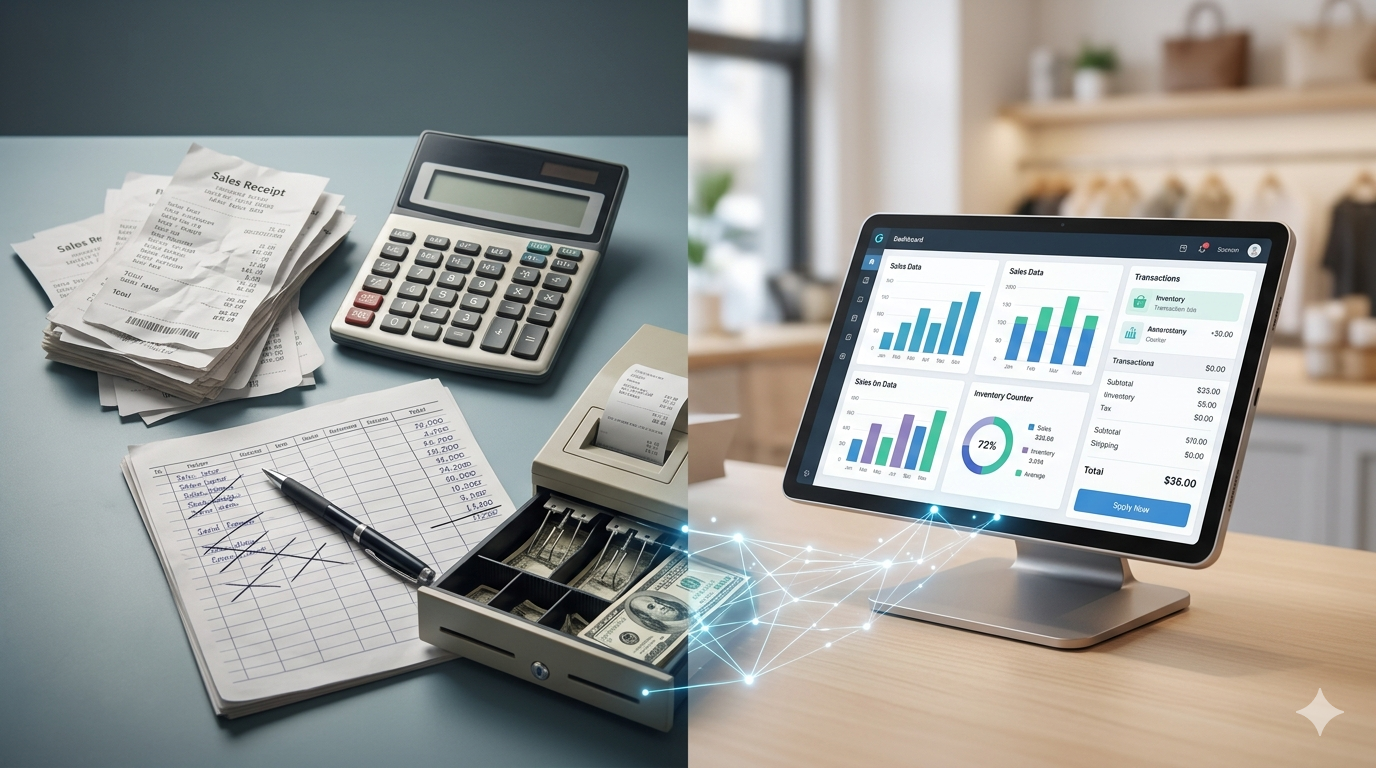
A modern Point of Sale (POS) system eliminates these challenges by automating daily operations, improving accuracy, and streamlining business management. Whether you operate a retail store, restaurant, café, supermarket, or multi-location business, implementing the right POS solution can dramatically reduce human errors while improving efficiency and customer satisfaction.
In this blog, we’ll explore how a modern POS system helps businesses eliminate manual errors and why it has become an essential tool for sustainable growth.
When your staff relies on old-school cash registers or manual spreadsheets, human error is not just a risk—it is an absolute certainty. Upgrading to a digital checkout setup completely changes the game.
This guide reveals how migrating to a modern, cloud-based platform eliminates manual errors across your entire storefront.
1. Automated Checkout Stops Math and Pricing Inaccuracies
Fatigued or rushed employees naturally make mathematical mistakes during peak hours. A single misplaced decimal point or a forgotten coupon code will immediately throw off your daily financial ledger.
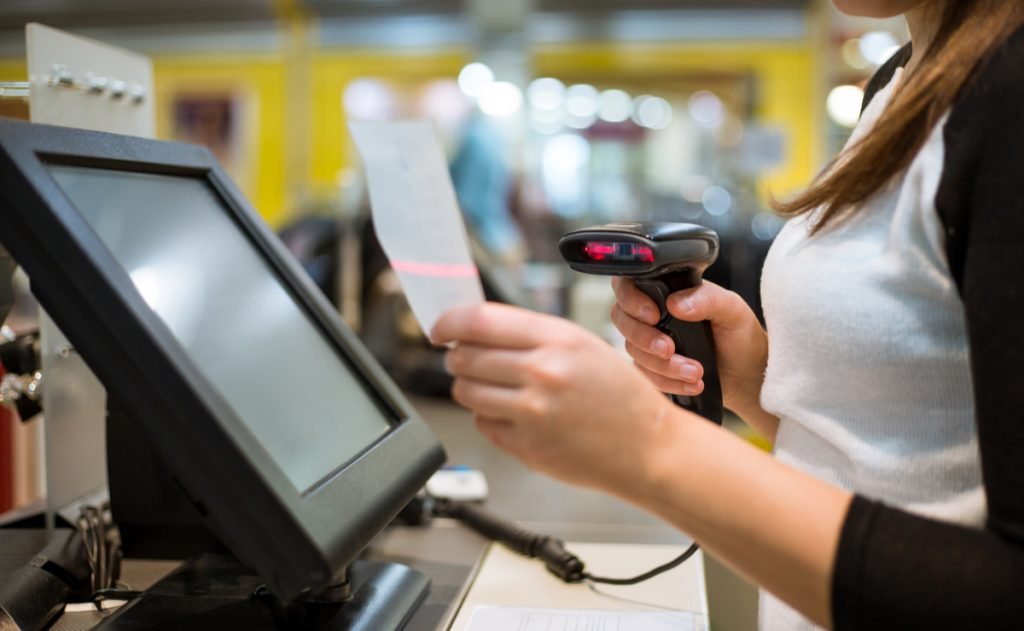
Modern checkout platforms resolve this operational bottleneck through complete automation:
- Flawless Arithmetic: The system instantly calculates complex line items, local sales taxes, and bundle discounts automatically.
- Barcode Standardization: Scanning product barcodes entirely eliminates the need for cashiers to type in prices by hand.
- Dynamic Promo Syncing: Promotional pricing updates across your entire catalog via cloud databases, preventing unauthorized or out-of-date discounts.
2. Live Inventory Updates Remove Tracking Guesswork
Manual inventory spreadsheets are prone to being miscounted, forgotten, or lost. If a team member forgets to log a sale, your stock counts become completely unreliable.
Digital registers act as a single source of truth by linking sales directly to inventory:
- Instant Deductions: The platform updates your central inventory levels the exact second a barcode scans at checkout.
- Omnichannel Alignment: Online web orders and physical storefront sales drain from the exact same inventory pool, stopping accidental overselling.
- Low-Stock Triggers: Automated systems monitor ingredient or item shortages and generate low-stock alerts without requiring human audits.
3. Direct Card Terminal Integrations Prevent Double-Entry
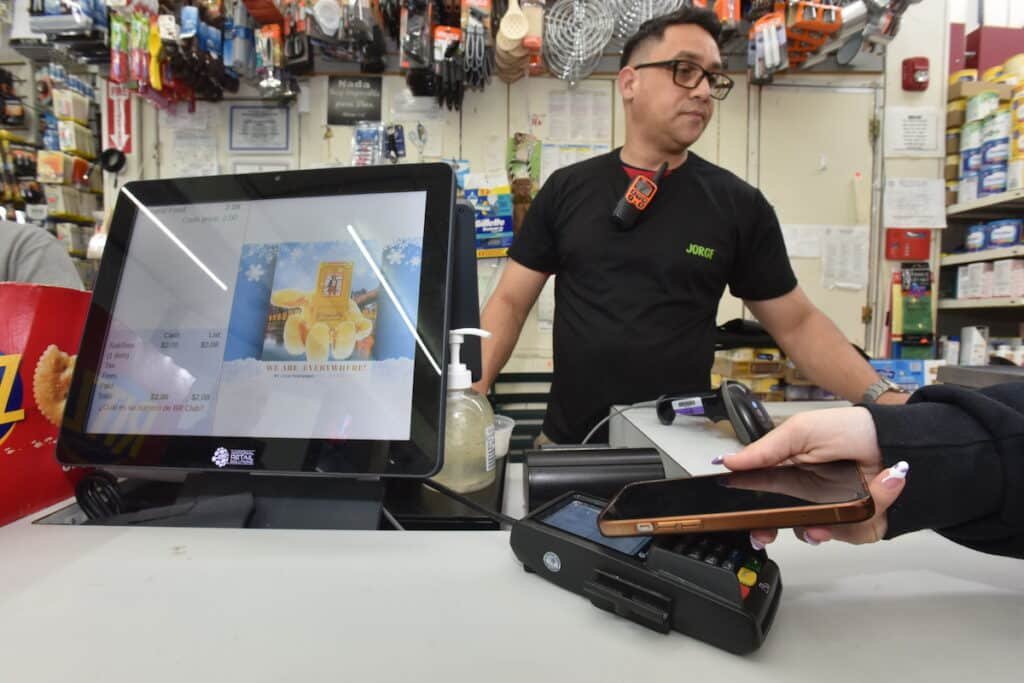
The single biggest point of financial discrepancy happens when a cashier types a transaction total into an isolated card terminal by hand. A simple $15.00 transaction can easily be mistyped as $150.00 or $1.50.
Integrated merchant payment processing loops bypass this vulnerability entirely:
- The register calculates the final checkout total.
- The exact total sends directly to the card terminal via local API networks.
- The customer taps their card or digital wallet securely.
- The terminal confirms the authorization and automatically updates your transaction records.
This seamless flow removes cash-handling mistakes and cuts down on long checkout lines.
4. Hands-Off Accounting and Reporting Protect Margins
End-of-day spreadsheet reconciliation is a tedious chore that exhausts management teams. Manually porting cash drawer data into programs like QuickBooks frequently leads to transcription mistakes.
Modern management software includes robust native reporting architecture:
- Direct Webhook Syncs: Sales numbers sync right to your financial bookkeeping software without any file exports or data entry.
- Tamper-Proof Tracking: Transactions leave a clear, permanent digital audit trail that drastically reduces register shortages and internal shrinkage.
- Automated Reports: Detailed gross margin, profit, and loss analytics populate automatically, giving you verified operational insights.
The Developer’s Verdict: Cloud Architecture Protects Cash Flow
From a technical standpoint, a manual business is a fractured business. When you break down the operational silo between your physical checkout station, your digital store warehouse, and your bookkeeping desk, you eliminate the human errors that drain profits. Switching to an integrated digital point of sale framework provides complete operational clarity, secure financial margins, and an efficient checkout experience that customers appreciate.
Final Thoughts
Manual errors can quietly damage a business through lost revenue, inventory inconsistencies, and poor customer experiences. A modern POS system solves these problems by automating critical business operations and improving overall accuracy.
From automated billing and real-time inventory tracking to advanced reporting and seamless integrations, POS technology enables businesses to operate smarter, faster, and more efficiently.
For businesses looking to improve productivity, reduce costly mistakes, and deliver a better customer experience, adopting a modern POS system is no longer optional—it’s a strategic necessity.