Why POS Setup Matters More Than Most Businesses Think
Choosing a POS system is an important decision for any business. However, buying the right software is only the beginning. The way your POS is installed and configured can have a major impact on how smoothly your business operates every day.
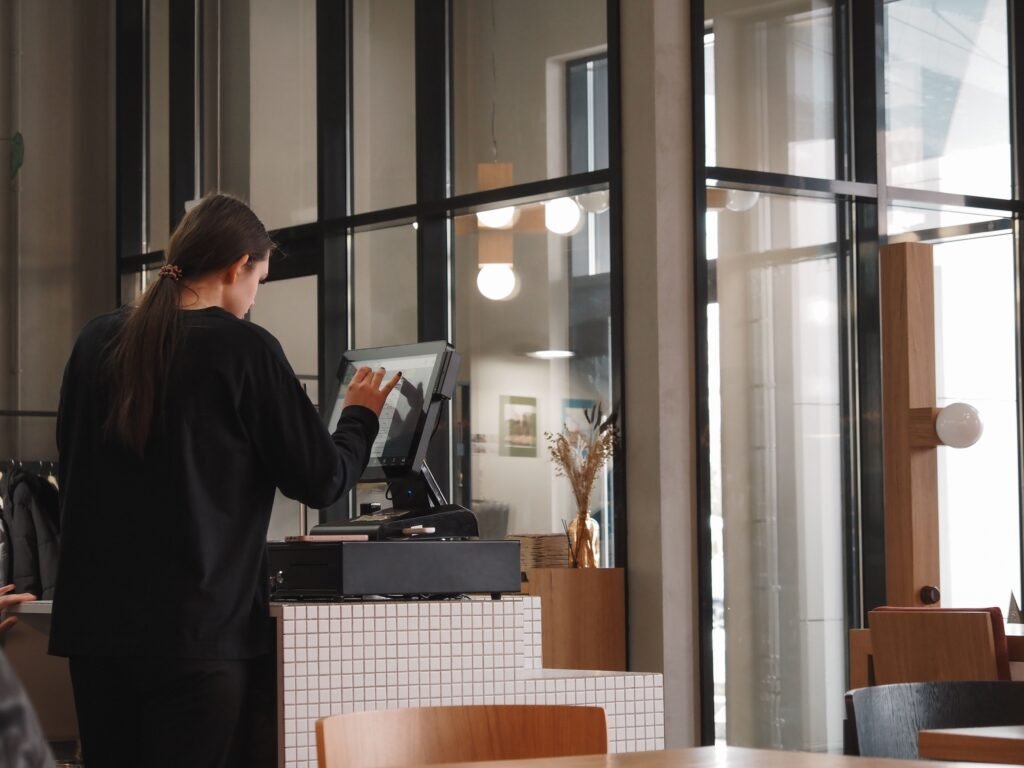
A POS setup is more than just a touchscreen or computer. It can include EFTPOS terminals, receipt printers, barcode scanners, cash drawers, customer displays, kitchen printers and weighing scales. These devices need to work together correctly so that sales, payments and orders can be processed without unnecessary delays.
What Makes Up a POS Setup?
Every business has different POS requirements. A small retail store may only need a POS terminal, barcode scanner, receipt printer and EFTPOS terminal. A busy restaurant, on the other hand, may need multiple POS terminals, kitchen printers, customer displays and payment terminals.
The best POS setup is one that matches the way your business operates. Adding hardware that you do not need can make the system more complicated, while leaving out an important device can create problems during daily operations.
Why Does POS Setup Matter?
A POS system can sit at the centre of many business activities. It can manage products, prices, sales, payments, receipts, inventory and reports. Because so many tasks depend on the system, a problem with one part of the setup can sometimes affect other areas as well.
For example, if the POS cannot communicate properly with the EFTPOS terminal, staff may have trouble completing integrated payments. If a kitchen printer is configured incorrectly, an order may not reach the right kitchen station. Similarly, if a barcode scanner is not connected correctly, staff may need to enter products manually.
These issues may seem small, but they can become frustrating during busy trading periods.
Hardware Is Only One Part of the Setup
It is easy to focus on the physical equipment when setting up a POS system. However, the software configuration is just as important. Products, categories, prices, modifiers, printer settings, payment options and user permissions all need to be configured correctly.
For example, a restaurant may have several kitchen printers. If a product is assigned to the wrong printer, the order could be sent to the wrong preparation area. This is why POS configuration should be planned around the actual workflow of the business.
Your Network Matters Too
A reliable network is another important part of a POS setup. POS terminals, printers, EFTPOS machines, scales and other devices may need to communicate with each other through the local network.
If the network is unreliable or devices are configured incorrectly, you may experience connection problems, slow transactions or devices going offline. This is why businesses should consider their network when planning a POS installation instead of treating it as a separate issue.
Restaurant POS Setup
Restaurants often have more complex POS requirements because an order may need to reach different areas of the business. For example, a customer might order a burger, chips and a drink. The burger and chips may need to go to the kitchen printer, while the drink may need to go to a bar printer.
At the same time, the total needs to be sent to the EFTPOS terminal and the completed transaction may need to be printed on a receipt printer. A properly configured restaurant POS system can manage these steps automatically.
This is why restaurant POS setup needs to consider the entire journey of an order, from the moment it is entered into the POS until it reaches the kitchen and the customer receives their receipt.
Retail POS Setup
Retail businesses have different requirements. A typical retail setup may include a POS terminal, barcode scanner, receipt printer and EFTPOS terminal. However, some businesses may also need weighing scales, customer displays or additional equipment.
For example, grocery stores and fruit shops often sell products by weight. In this situation, the weighing scale needs to work correctly with the POS so that the correct weight and price can be used during the sale.
The more products and devices a business has, the more important accurate configuration becomes.
What Happens When a POS Is Poorly Set Up?
A poorly configured POS does not always stop working completely. Instead, businesses may experience small problems that slow down everyday operations. Products may have incorrect prices, orders may go to the wrong printer, EFTPOS payments may not update correctly, receipts may fail to print or devices may lose connection.
When these issues happen during a busy period, staff may need to spend valuable time troubleshooting instead of serving customers. Even a few extra steps during every transaction can add up over a full trading day.
Your POS Setup Should Match Your Business
There is no single POS setup that works for every business. A grocery store, restaurant, cafe and clothing retailer can all have very different requirements.
Before installing a POS system, think about how many checkout points you need, which devices your staff use, how customers pay and how products or orders move through your business. Restaurants should also consider how orders are sent between the front counter, kitchen and bar.
The goal is to create a setup that supports your existing workflow rather than forcing your staff to change the way they work unnecessarily.
Testing Your POS Before Going Live
Testing is an important part of any POS installation. Before the system is used for real transactions, businesses should test the complete sales process.
This can include adding a product, checking the price, processing an EFTPOS payment, printing a receipt and confirming that the transaction appears correctly in the reports. Restaurants should also test that orders reach the correct kitchen or bar printer.
Testing the complete process can help identify configuration or connection problems before they affect customers.
A Good POS Setup Can Save Time
A well-planned POS setup can reduce unnecessary manual work. When products, printers, payment terminals and other devices communicate correctly, staff can complete transactions without having to repeat steps or troubleshoot equipment.
The goal of a good POS setup is not simply to have more technology. It is to make the technology you already use work together effectively.
Final Thoughts
A POS system is more than a screen used to process payments. It can connect products, payments, printers, inventory, reports and other business tools. Because of this, the way the system is configured can be just as important as the software itself.
A well-planned POS setup can help businesses create smoother workflows, reduce unnecessary problems and make everyday transactions easier for staff and customers.
Before choosing or installing a POS system, look at the complete setup rather than focusing only on the POS terminal. Consider your hardware, network, software configuration and business workflow. When all of these parts work together, your POS system can become a useful part of your daily operations rather than another source of problems.