How Smart POS Technology Is Changing Customer Experience in Australia
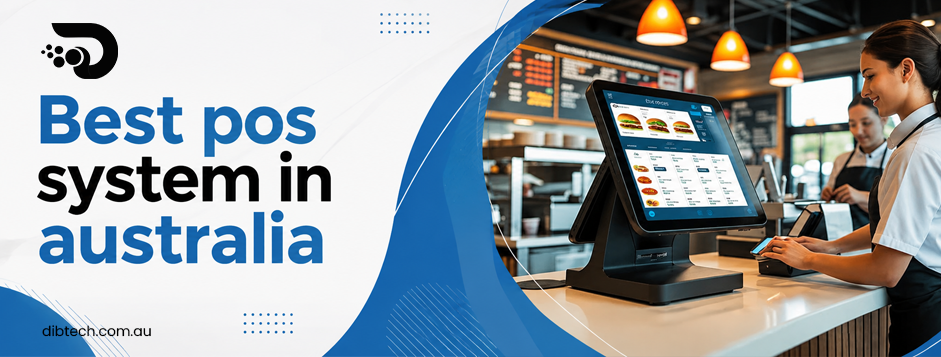
Customer expectations are changing quickly. People want fast service, simple payments, accurate orders, and a smooth experience every time they interact with a business. For Australian retailers, restaurants, cafés, supermarkets, and service providers, meeting these expectations can directly influence customer satisfaction and repeat business. This is where the best POS system in Australia can make a meaningful difference.
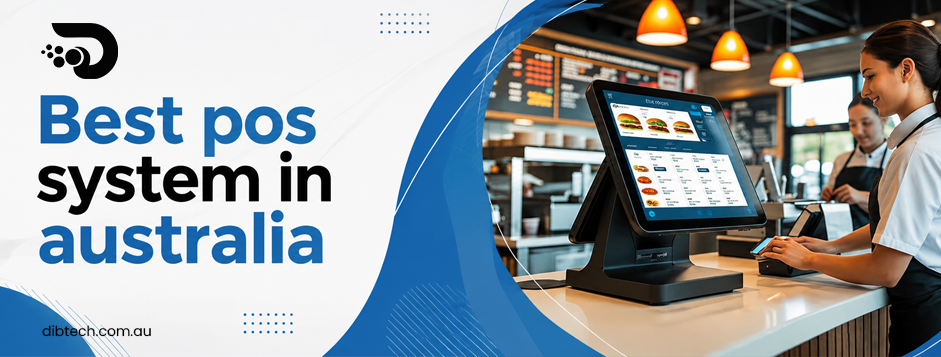
A modern Point of Sale system does much more than process payments. It can connect sales, inventory, customer information, orders, reporting, and payment processing through one platform. When these functions work together, employees can serve customers faster and with fewer mistakes.
Whether someone is purchasing a product, ordering a meal, collecting an online order, or making a quick payment, every interaction contributes to their overall impression of a business. In this guide, we will explore the key ways a modern POS system can improve customer experience and why choosing the right solution matters for Australian businesses.
Faster Checkout with the Best POS System in Australia Creates a Better First Impression
Nobody enjoys standing in a long checkout line. Even when customers like a product or service, excessive waiting can affect their perception of the business.
The best POS system in Australia can streamline transactions by automating several parts of the checkout process. Barcode scanning, product selection, discounts, tax calculations, and payment processing can happen through an integrated system. This reduces manual work and helps employees complete transactions more quickly.
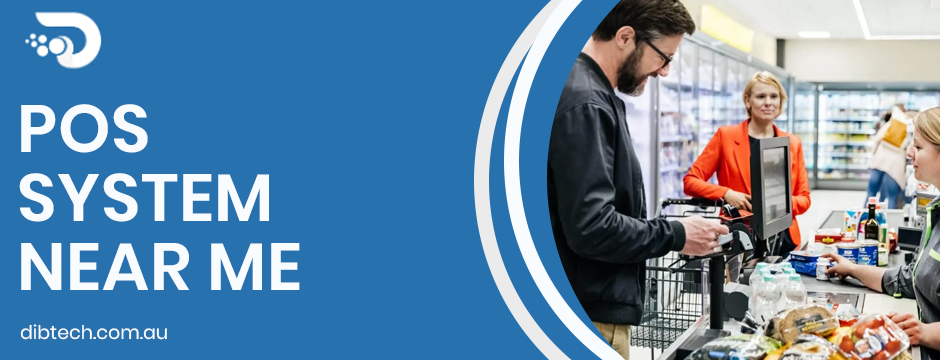
For a busy retail store, faster checkout can help move customers through queues efficiently. In a café or restaurant, quick order processing can help reduce delays during peak periods. Businesses can also consider fast checkout POS solutions for Australian businesses when long queues are becoming a recurring customer complaint.
Fewer Delays Mean Less Customer Frustration
Speed is especially important during busy periods. Customers visiting during lunch hours, weekends, holidays, or promotional events may not want to spend several extra minutes waiting to pay.
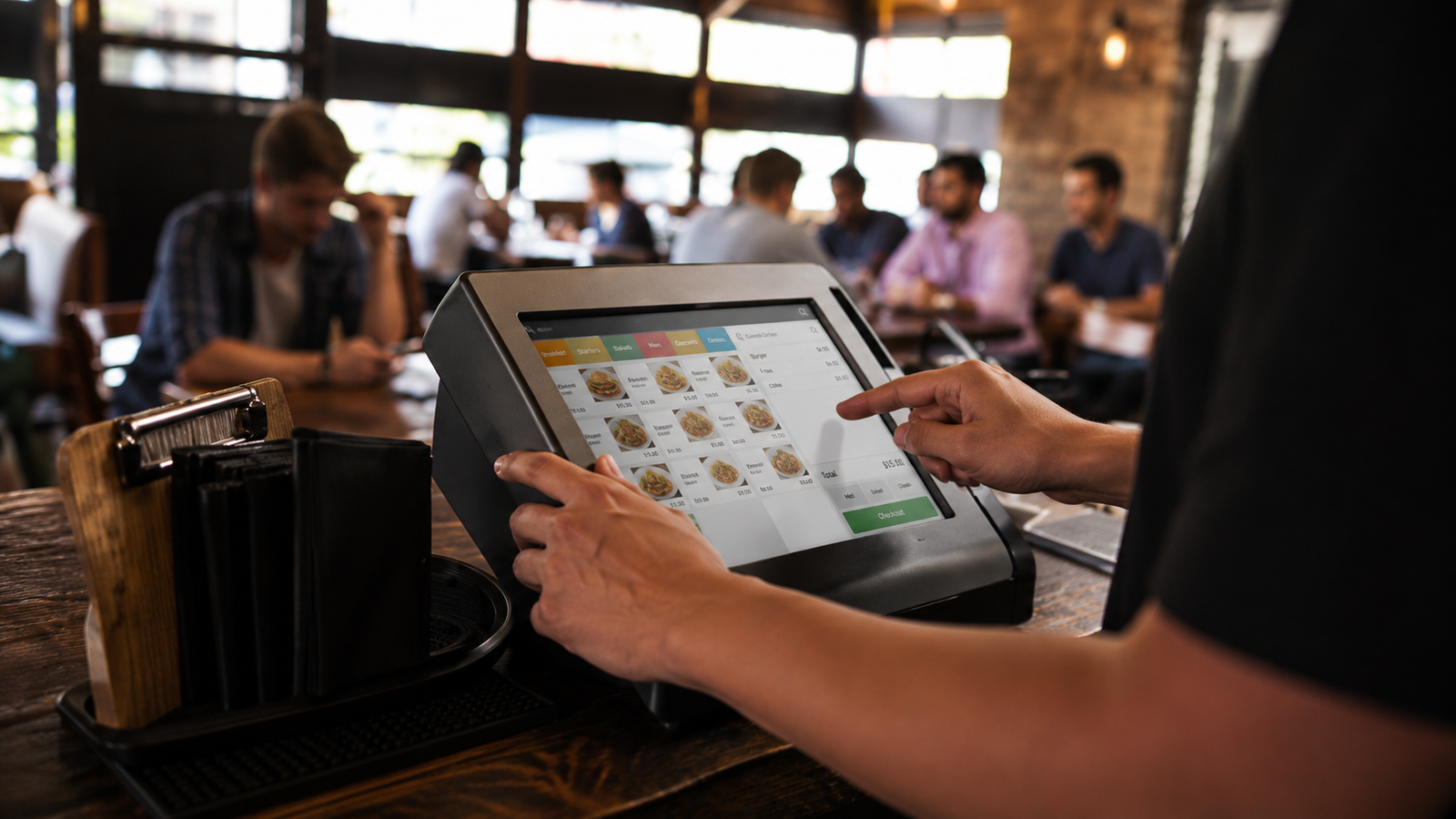
A responsive POS interface gives staff quick access to products, prices, discounts, and payment options. This allows them to focus more on the customer instead of struggling with complicated technology.
Some modern systems also support mobile POS devices. Employees can take orders or process payments away from a fixed counter, which can be useful for restaurants, markets, events, and mobile businesses.
Flexible Payments Make Transactions More Convenient
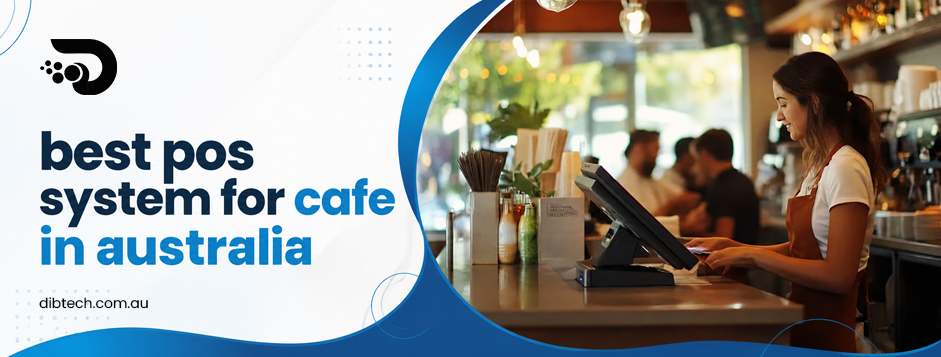
Payment preferences have become increasingly diverse. Some customers prefer cards, while others use contactless payments or mobile wallets. A business that offers convenient payment choices can make the final stage of the customer journey much easier.
The best POS system in Australia can integrate different payment methods, allowing customers to choose the option that suits them. Contactless payments, cards, mobile wallets, and cash can all be part of a flexible checkout experience.
For customers, this means fewer payment-related obstacles. For employees, integrated payment processing can reduce the need for manual entry and help minimise transaction errors.
Businesses searching for POS systems with multiple payment options in Australia should therefore consider how easily their preferred payment methods can be integrated into daily operations.
Simple Payments Build Customer Confidence
Accuracy is just as important as speed. Customers expect the amount displayed at checkout to match the products or services they selected.
A POS system can automatically calculate totals, apply approved discounts, and maintain consistent pricing information. This reduces the possibility of mistakes caused by manual calculations.
Clear digital or printed receipts can also give customers an immediate record of their purchase. When transactions are transparent and easy to understand, customers are more likely to feel confident about the business.
Real-Time Inventory Information Improves Customer Service
Imagine a customer visiting a store for a particular product, only to discover that the item is unavailable. This situation can be frustrating, especially when the business website previously indicated that the product was in stock.

Real-time inventory management can help businesses maintain more accurate stock information. Modern POS systems can update inventory as sales are completed, helping staff understand what is available and what may need to be reordered.
This can support a better customer experience in several ways.
- Staff can check product availability more quickly.
- Businesses can identify popular products before they run out.
- Customers can receive more accurate stock information.
- Reordering can become more organised.
- Businesses can reduce avoidable stockouts.
A real-time inventory POS system for Australian retail stores can therefore support both operational efficiency and customer satisfaction.
Better Stock Visibility Supports Better Conversations
Customers often ask staff questions such as, “Do you have another size?” or “Is this item available at another location?”
When employees have access to accurate inventory information, they can answer these questions more confidently. Better information can turn a potentially frustrating interaction into a helpful one.
For businesses with multiple locations, connected systems can also make it easier to understand stock levels across stores. This can help employees provide more useful alternatives when a preferred product is unavailable.
Personalised Best POS System in Australia Encourages Customers to Return
Customers appreciate businesses that understand their preferences. The best POS system in Australia with customer management capabilities can help businesses use purchase information to create more relevant interactions.
For example, a business may use customer purchase history to support loyalty rewards, relevant promotions, or personalised offers. This can make marketing feel more useful instead of generic.
Modern POS systems can also support customer profiles and loyalty programs, helping businesses recognise repeat customers and reward their continued support.
Businesses looking for customer loyalty POS software in Australia can use these capabilities to create more meaningful relationships with their customers.
Loyalty Programs Become Easier to Manage
Traditional loyalty programs can require manual stamps, paper cards, or complicated processes. An integrated POS system can simplify the process by connecting purchases with customer rewards.
Customers may be able to earn points, receive discounts, or access special promotions based on their purchasing activity. Meanwhile, businesses can track program performance and understand which offers generate engagement.
The key is to keep loyalty programs simple. Customers should understand how they earn rewards and how they can use them. A complicated rewards process can create more frustration instead of improving the experience.
Accurate Orders Reduce Mistakes and Improve Satisfaction
Order accuracy is essential in both retail and hospitality. A small mistake can quickly affect a customer’s perception of a business.
In restaurants, handwritten orders or verbal communication can create opportunities for errors. Digital POS systems can send order information directly to the relevant operational areas, helping reduce communication gaps between front-of-house staff and kitchen teams.
For retailers, POS systems can ensure that the correct products, prices, discounts, and quantities are recorded during checkout.
A restaurant POS system for faster and more accurate orders can be especially valuable during busy service periods when employees need to manage multiple orders at once.
Fewer Errors Lead to Smoother Problem Resolution
Mistakes can happen in any business. What matters is how quickly they are identified and resolved.
A POS system can provide transaction records that help staff review purchases, identify issues, and process eligible refunds or exchanges more efficiently. Digital records can also make it easier to understand what happened during a transaction.
Customers are more likely to appreciate a business that handles problems clearly and professionally.
Self-Service Options Give Customers More Control
Not every customer wants the same type of service. Some prefer speaking with employees, while others want to browse, order, and pay independently.
Self-service POS solutions can give customers more control over their interactions. In hospitality, kiosks can allow customers to select items, customise orders, and complete payments without waiting for an employee.
This can be useful in busy environments where queues regularly form.
A self-service POS kiosk for Australian restaurants and retailers can also help businesses provide another service option without removing traditional assisted service.
Personal Choice Improves Convenience
Giving customers options can make the overall experience more comfortable. A customer who is in a hurry may prefer self-service, while another may want personal assistance.
The goal is not to replace human service. Instead, self-service technology can complement employees and allow businesses to serve different customer preferences.
When implemented properly, it can reduce queues while allowing staff to spend more time helping customers who need personal attention.
Better Staff Efficiency Improves Customer Interactions with the Best POS System in Australia
Customer experience depends heavily on employees. Even the most advanced technology cannot replace friendly, attentive service.
However, employees can struggle to provide good service when they spend too much time dealing with slow systems, manual processes, or repeated data entry.
The best POS system in Australia can simplify routine tasks and give employees easier access to essential information. This can allow them to spend more time interacting with customers.
User-friendly systems can also reduce the learning curve for new employees. When staff understand the POS interface, they can process orders and payments with greater confidence. DibTech’s own materials emphasise ease of use and staff efficiency as important parts of its POS approach.
Technology Should Support Employees, Not Distract Them
The best POS system in Australia should make everyday tasks easier rather than adding unnecessary complexity.
Businesses should look for systems with intuitive interfaces, clear workflows, appropriate hardware, and useful integrations. Employees should be able to find products, process payments, apply discounts, and complete transactions without unnecessary steps.
When technology works quietly in the background, employees can concentrate on what customers actually notice: helpful communication, accurate service, and a positive attitude.
Omnichannel Convenience Creates a Connected Customer Journey
Customers may interact with a business through several channels. They might discover a product online, purchase it through an e-commerce store, and collect it from a physical location.
A connected POS system can help businesses create a more consistent experience across these touchpoints. Cloud-based and integrated systems can connect sales and inventory information, helping businesses provide more accurate information to customers.
This becomes particularly valuable for retailers operating both physical and online stores.
Consistency Builds Trust
Customers expect prices, product details, promotions, and availability to remain consistent. Disconnected systems can make this difficult.
A unified POS environment can reduce information gaps between different parts of the business. Staff can work with more consistent information, while customers receive clearer answers.
For businesses expanding into multiple channels, this consistency can become an important part of building trust.
Choosing the Best POS System in Australia Matters
Not every POS system will suit every business. A small café may have different requirements from a supermarket, restaurant, salon, or large retail operation.
Before selecting the best POS system in Australia, businesses should consider factors such as:
- Checkout speed and ease of use
- Payment integrations
- Inventory management
- Customer loyalty features
- Reporting and analytics
- Mobile functionality
- Self-service capabilities
- Online ordering integration
- Scalability
- Technical support
Businesses should also consider whether the system can grow with them. Choosing a solution only for today’s needs may create limitations later.
The best POS system for cafe in Australia should support the customer journey while also making daily operations easier for employees.
Conclusion
Customer experience is shaped by many small interactions. A fast checkout, accurate order, available product, convenient payment option, personalised reward, and helpful employee can all influence whether someone chooses to return. The best POS system in Australia can bring these elements together by connecting transactions, payments, inventory, customer information, orders, and reporting. The result can be a smoother customer journey and more efficient business operations.
For Australian businesses looking for a POS solution that combines functionality with practical business needs, they can rely on us at DibTech. We offer POS solutions designed for hospitality, retail, supermarkets, and other business environments. To learn more about us, visit our website today.
FAQs
1. Can a POS system reduce customer waiting times?
Yes. A modern POS system can speed up order entry, barcode scanning, payment processing, and receipt generation, helping businesses reduce queues and serve customers faster.
2. Can POS systems support customer loyalty programs?
Yes. Many modern POS systems can connect purchases with customer profiles, allowing businesses to manage loyalty points, rewards, discounts, and personalised promotional offers more efficiently.
3. Does a POS system improve inventory accuracy?
Yes. POS systems can automatically update inventory after sales, giving businesses clearer stock information and helping staff provide customers with more accurate product availability.
4. Are self-service POS systems useful for customers?
Yes. Self-service POS systems allow customers to browse, customise orders, and pay independently, which can reduce queues and provide greater convenience during busy periods.
5. What should businesses consider when choosing a POS system?
Businesses should evaluate ease of use, payment options, inventory tools, reporting, integrations, scalability, customer features, hardware requirements, and technical support before choosing a POS solution.