From Payments to Reports: Everything a POS System Can Do
Modern Point of Sale (POS) systems are no longer just digital cash registers. Today, they act as the operational backbone of retail stores, restaurants, cafés, supermarkets, and service businesses. From processing payments to generating business reports, a modern POS system helps businesses improve efficiency, reduce errors, and deliver better customer experiences.
Here is a comprehensive breakdown of everything a modern POS system can do to streamline your business operations.
1. Advanced Payment Processing
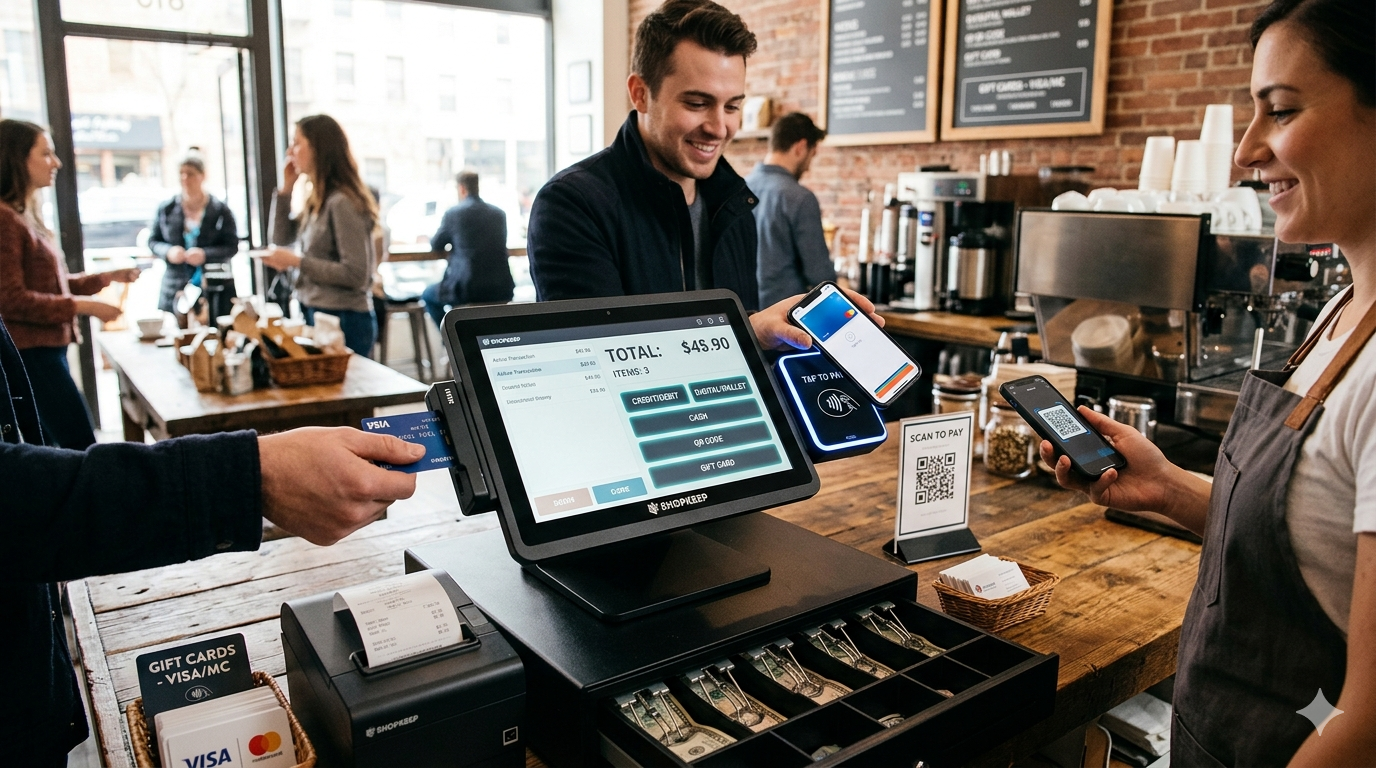
Accepting money is the core function of any POS, but modern systems handle much more than cash and traditional credit cards. Integrated EFTPOS solutions also reduce manual entry errors and speed up the checkout process.
- Contactless Payments: Processes Apple Pay, Google Pay, and tap-to-pay cards.
- Mobile Wallets: Scans QR codes and integrates with local digital wallets.
- Split Billing: Divides checks easily by seat, item, or custom percentages.
- Invoicing: Sends digital invoices via email or SMS for later payment.
2. Real-Time Inventory Management
Manually counting stock is a thing of the past. Managing stock manually can lead to inaccuracies and lost revenue. A POS system automates inventory tracking in real time to protect your profit margins.
- Automated Deductions: Updates stock counts instantly with every sales transaction.
- Low-Stock Alerts: Notifies you when items fall below a set threshold.
- Purchase Orders: Generates and sends orders to suppliers automatically.
- Ingredient Tracking: Monitors raw materials for restaurants based on menu sales.
3. Employee Management and Scheduling
Your POS can track your team’s hours and performance without requiring separate software. By controlling staff access and tracking performance, businesses can improve accountability and productivity.
- Clock-In/Clock-Out: Tracks shifts and generates accurate timesheets for payroll.
- Performance Metrics: Identifies your top-selling employees and busiest shifts.
- Custom Permissions: Restricts access to sensitive data like refunds or reports.
4. Customer Relationship Management (CRM)
Building customer loyalty is easier when your POS system stores and manages customer information effectively.. These features help businesses increase repeat customers and improve customer satisfaction.
- Customer Profiles: Saves purchase histories, contact info, and birthdays.
- Loyalty Programs: Tracks reward points automatically at checkout.
- Targeted Marketing: Exports customer segments for tailored email campaigns.
5. Multi-Channel Integration
Today’s businesses often operate both online and offline. A modern POS system connects multiple sales channels into one platform.
Integration Capabilities
- eCommerce website integration
- Online ordering systems
- Food delivery platform integration
- Marketplace synchronization
- Buy Online, Pick Up In Store (BOPIS) support
- Centralized pricing and inventory updates
This ensures smooth business operations across all sales channels.
6. Comprehensive Data Reporting and Analytics
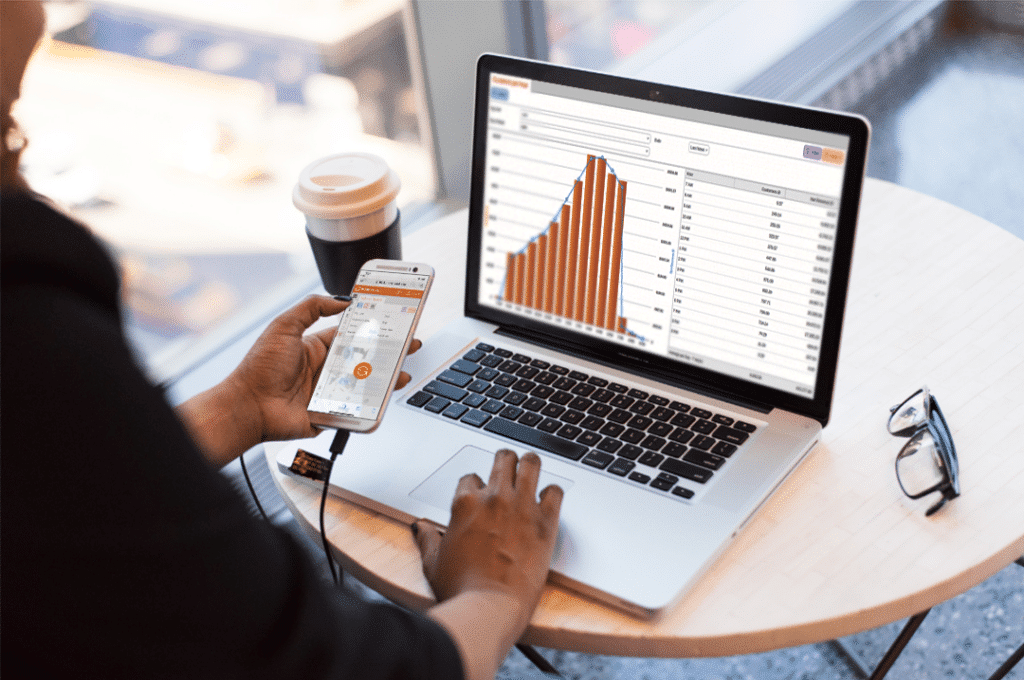
One of the most powerful features of a POS system is data reporting. Data-driven decisions help businesses grow. POS analytics turn raw numbers into actionable strategies. Business owners can access valuable insights to make informed decisions.
- Sales Reports: Tracks revenue by hour, day, week, or custom seasons.
- Profit Margin Analysis: Identifies your highest and lowest margin products.
- Tax Formatting: Simplifies accounting by exporting clean tax summaries.
Final Thoughts
A modern POS system does far more than process payments. It serves as a complete business management solution that helps businesses automate operations, improve customer service, manage inventory, monitor staff, and generate valuable business insights.
From payments to reports, the right POS system can transform the way your business operates and support long-term growth in an increasingly competitive market.
Frequently Asked Questions (FAQs)
What can a modern POS system do? Modern POS systems can handle:
- Payment processing
- Inventory management
- Sales reporting
- Employee tracking
- Customer loyalty programs
- Multi-store management
- Online order integration
- Tax and accounting reports
Can a POS system accept multiple payment methods?
Yes. Most modern POS systems support:
- Cash payments
- Credit and debit cards
- Contactless payments
- Mobile wallets like Apple Pay and Google Pay
- QR code payments
- Split payments
How does a POS system help with inventory management?
A POS system automatically updates stock levels whenever a sale is made. It can also provide low-stock alerts, track product movement, and generate inventory reports.
Is a cloud-based POS system better than a traditional POS?
Cloud-based POS systems offer remote access, automatic backups, and easier scalability, while traditional POS systems work well offline and provide local data storage. The best choice depends on your business needs.
Can I manage multiple stores using one POS system?
Many cloud-based POS systems allow business owners to manage multiple branches from a single dashboard with centralized inventory and sales monitoring.
Is a POS system secure for handling payments?
Yes. Modern POS systems use encrypted payment processing, secure login access, and data backups to help protect customer and business information.