How POS Systems Help Increase Customer Retention and Revenue
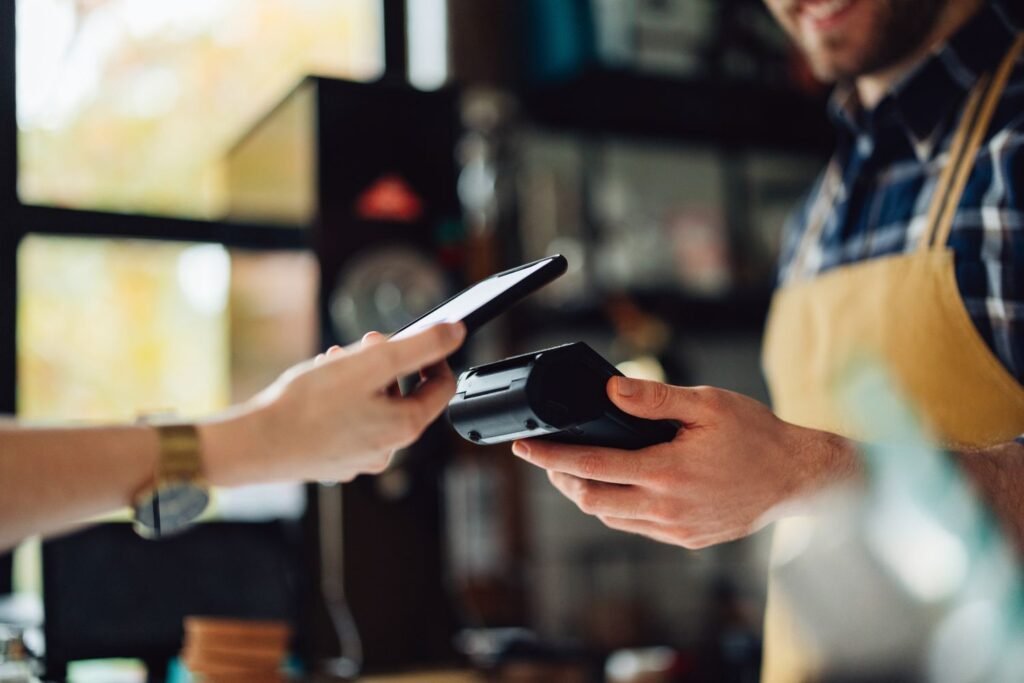
In today’s competitive business environment, retaining customers is just as important as attracting new ones. Whether you run a restaurant, retail store, or supermarket, customer loyalty plays a key role in long-term success. One of the most powerful tools businesses can use to improve customer retention and boost revenue is a modern Point of Sale (POS) system.
A POS system is no longer just a billing tool—it has evolved into a complete business management solution that helps you understand customers, streamline operations, and create better experiences.
1. Better Customer Data and Insights
Modern POS systems collect valuable customer data such as purchase history, preferences, and visit frequency. This information allows businesses to understand what their customers like and how often they return.
With these insights, you can:
- Offer personalized recommendations
- Create targeted promotions
- Identify loyal customers
When customers feel understood and valued, they are more likely to return, increasing retention and lifetime value.
2. Personalized Marketing and Promotions
POS systems enable businesses to run smart marketing campaigns based on real customer data. Instead of sending generic offers, you can create personalized discounts and promotions tailored to individual preferences.
For example, a restaurant can offer discounts on a customer’s favorite dish, while a retail store can promote products based on previous purchases. Personalized marketing increases engagement, encourages repeat visits, and ultimately drives higher revenue.
3. Loyalty Programs Made Easy
Customer loyalty programs are one of the most effective ways to retain customers. POS systems simplify the creation and management of loyalty programs such as:
- Points-based rewards
- Cashback offers
- Membership discounts
These programs encourage customers to return more frequently. A well-implemented loyalty program not only increases retention but also motivates customers to spend more to earn rewards.
4. Faster and Smoother Transactions
Long waiting times can frustrate customers and lead to lost sales. POS systems speed up the checkout process by enabling quick billing, multiple payment options, and efficient order management.
A faster and smoother transaction experience leads to:
- Higher customer satisfaction
- Reduced queues
- More completed sales
Happy customers are more likely to return and recommend your business to others.
5. Improved Inventory Management
POS systems provide real-time inventory tracking, ensuring that popular products are always in stock. Nothing disappoints customers more than finding out their desired item is unavailable.
With better inventory control, businesses can:
- Avoid stockouts
- Manage demand effectively
- Reduce overstocking
This leads to improved customer trust and increased sales opportunities.
6. Enhanced Customer Experience
A POS system helps create a seamless and enjoyable shopping or dining experience. Features like digital receipts, quick refunds, and accurate order processing contribute to a positive customer journey.
Additionally, staff can serve customers more efficiently with access to product information and order details at their fingertips. A better customer experience directly impacts retention and encourages repeat business.
7. Data-Driven Decision Making
POS systems generate detailed reports on sales, customer behavior, and business performance. These insights help business owners make smarter decisions, such as:
- Identifying top-selling products
- Adjusting pricing strategies
- Planning promotions
Data-driven decisions ensure that your business stays competitive and continues to grow revenue over time.
Conclusion
A modern POS system is much more than a transaction tool—it is a powerful asset for building customer loyalty and increasing revenue. By leveraging customer data, enabling personalized marketing, improving efficiency, and enhancing overall experience, POS systems help businesses create strong relationships with their customers.