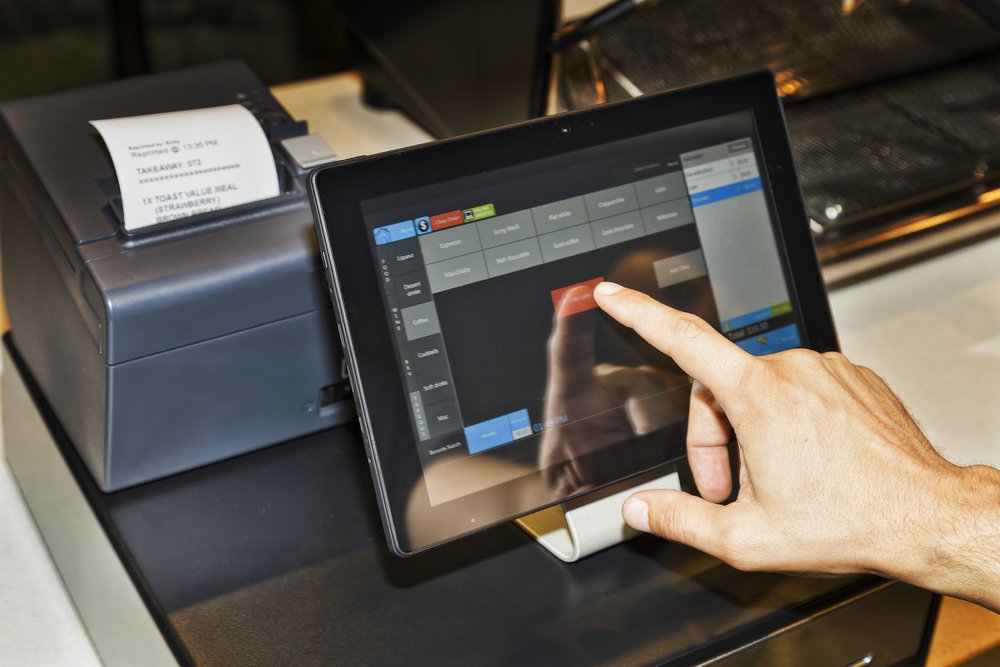
How POS Systems Help Manage Seasonal Inventory Efficiently
Seasonal demand is a reality for many businesses. Whether you’re preparing for holiday shopping, back-to-school sales, festive celebrations, or end-of-season promotions, managing inventory effectively can make the difference between increased profits and lost sales. Running out of popular products or overstocking items that don’t sell can impact both customer satisfaction and your bottom line.
A modern Point of Sale (POS) system helps businesses stay in control by providing real-time inventory tracking, accurate sales insights, and automated stock management. Instead of relying on spreadsheets or manual stock counts, retailers can make informed decisions based on live data.
In this article, we’ll explore how a POS system simplifies seasonal inventory management and helps businesses prepare for busy sales periods with confidence.

Why Seasonal Inventory Management Matters
Customer demand changes throughout the year. Products that sell quickly during one season may remain untouched during another. Businesses need to anticipate these changes while maintaining the right balance between supply and demand.
Poor seasonal inventory management can result in:
- Stock shortages during peak sales periods
- Excess inventory after the season ends
- Higher storage costs
- Missed sales opportunities
- Reduced cash flow
- Lower customer satisfaction
Having a reliable POS system allows businesses to respond to these challenges quickly and efficiently.
1. Real-Time Inventory Tracking
One of the biggest advantages of a modern POS system is real-time inventory tracking.
Every sale automatically updates stock levels across your business, giving you an accurate picture of current inventory without manual intervention.
This allows you to:
- Monitor fast-selling products
- Identify low-stock items instantly
- Prevent overselling
- Reduce manual stock counting errors
Real-time visibility enables managers to make quicker purchasing decisions during busy seasons.
2. Better Demand Forecasting
Historical sales data is one of the most valuable tools for seasonal planning.
POS systems store previous sales information, making it easy to identify buying trends from previous years.
For example, a retailer can compare Christmas sales from the past three years to estimate how much stock will be needed this holiday season.
Using historical reports helps businesses:
- Predict customer demand
- Order the right quantity of products
- Reduce unnecessary inventory
- Avoid stock shortages
Accurate forecasting minimizes both overstocking and understocking.
3. Automated Low Stock Alerts
During peak seasons, inventory can sell much faster than expected.
Instead of constantly checking shelves manually, many POS systems automatically notify staff when stock reaches a predefined minimum level.
These alerts help businesses:
- Reorder products before they sell out
- Reduce lost sales
- Improve customer satisfaction
- Maintain consistent stock availability
Automation saves valuable time during busy trading periods.
4. Faster Stock Replenishment
A POS system provides clear information about which products require replenishment.
Managers can quickly identify:
- Best-selling items
- Fast-moving categories
- Products nearing stock depletion
- Supplier reorder requirements
This enables faster purchasing decisions and reduces delays in restocking popular products.
5. Identify Best-Selling Seasonal Products
Not every seasonal product performs equally.
Detailed POS reports reveal which products generate the highest sales, allowing businesses to focus on inventory that delivers the greatest return.
Businesses can use these insights to:
- Increase stock of top-performing products
- Remove slow-moving items
- Improve product selection
- Plan future seasonal promotions
Making decisions based on real sales data reduces guesswork.
6. Reduce Overstock after the Season
One common challenge with seasonal inventory is leftover stock.
Excess inventory ties up cash and occupies valuable storage space.
POS reporting helps identify slow-moving products early, allowing businesses to:
- Launch clearance promotions
- Offer bundle deals
- Discount remaining stock
- Transfer inventory between locations
This reduces waste and improves cash flow before the next season begins.
7. Manage Multiple Store Locations
For businesses operating multiple stores, seasonal inventory management becomes even more complex.
Cloud-based POS systems provide centralized inventory management across all locations.
Managers can:
- View stock levels at every store
- Transfer products between locations
- Balance inventory based on demand
- Monitor overall business performance
This flexibility ensures stock is available where customers need it most.
8. Improve Purchasing Decisions
Without accurate inventory data, purchasing often relies on estimates.
A POS system provides detailed reports showing:
- Inventory turnover
- Sales trends
- Product performance
- Supplier history
- Stock valuation
These reports help businesses purchase smarter, reduce unnecessary spending, and optimize inventory investment.
9. Save Time with Automated Inventory Management
Manual inventory tracking is time-consuming, especially during busy periods.
A POS system automates many everyday tasks, including:
- Inventory updates
- Sales recording
- Stock adjustments
- Purchase tracking
- Reporting
Automation reduces administrative work, allowing staff to focus on customer service and sales.
10. Enhance Customer Satisfaction
Customers expect products to be available when they visit a store.
Frequent stockouts can lead to lost sales and disappointed customers who may choose a competitor instead.
By maintaining accurate inventory and ensuring popular products remain available, a POS system helps businesses provide a better shopping experience and build long-term customer loyalty.
Tips for Managing Seasonal Inventory Successfully
To get the most from your POS system during peak seasons:
- Review historical sales data before placing seasonal orders.
- Set minimum stock level alerts for high-demand products.
- Monitor inventory reports daily during busy periods.
- Identify slow-moving items early and plan promotions.
- Keep supplier information updated for faster reordering.
- Perform regular stock audits to maintain inventory accuracy.
Combining these practices with a modern POS system helps businesses stay prepared for changing customer demand.
Final Thoughts
Seasonal inventory management doesn’t have to be stressful. A modern POS system provides the tools businesses need to track inventory in real time, forecast demand accurately, automate stock management, and make data-driven purchasing decisions.
Whether you operate a retail store, supermarket, boutique, or specialty shop, investing in the right POS solution helps reduce stock shortages, minimize excess inventory, improve cash flow, and deliver a better customer experience during every busy season.
By leveraging real-time insights and automation, businesses can confidently prepare for seasonal demand, maximize sales opportunities, and keep operations running smoothly all year round.