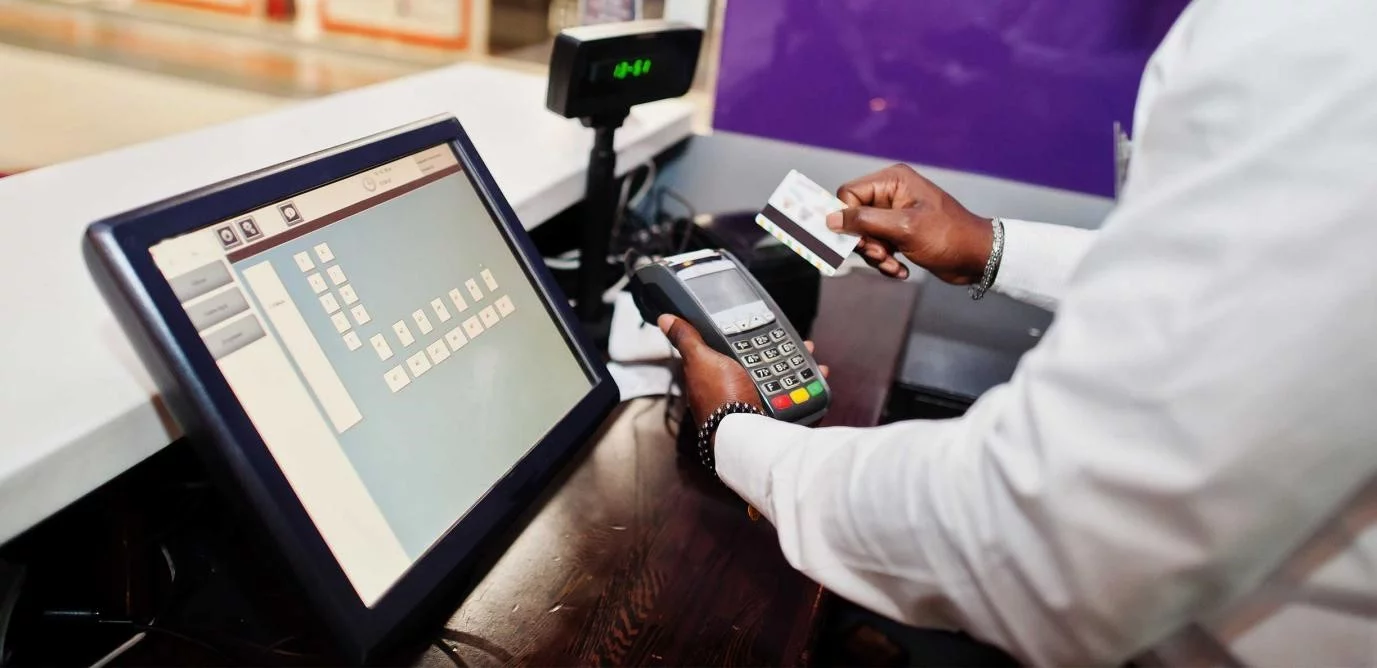
How POS Systems Improve Business Accuracy and Control

Accuracy and control are essential elements of successful business management. Whether operating a retail store, restaurant, salon, or service-based company, even small errors in sales tracking, inventory management, or financial reporting can lead to major losses over time. Modern Point of Sale (POS) systems help businesses eliminate manual mistakes while giving owners greater control over daily operations. By automating processes and centralizing data, POS systems create a more reliable and efficient business environment.
Reducing Human Errors in Transactions
Traditional cash registers and manual bookkeeping often leave room for calculation errors, pricing mistakes, and incorrect billing. POS systems significantly reduce these risks by automating transactions. Product prices, taxes, discounts, and totals are calculated instantly, ensuring accuracy at checkout.
When employees rely on automated systems rather than manual entry, businesses experience fewer discrepancies in sales records. Accurate billing not only protects revenue but also builds trust with customers, who expect consistent and reliable service.
Accurate Inventory Management
Inventory errors are one of the most common operational challenges businesses face. Without accurate tracking, businesses may unknowingly run out of popular items or overstock products that sell slowly. POS systems solve this issue by automatically updating inventory levels after every sale.
Business owners gain real-time visibility into stock movement, allowing them to monitor product availability at any moment. Automated inventory tracking prevents shrinkage, reduces waste, and ensures timely restocking decisions. With improved accuracy, businesses can maintain optimal inventory levels and avoid unnecessary expenses.
Strengthening Financial Control
Financial accuracy is crucial for sustainable business growth. POS systems generate detailed financial records that capture every transaction, refund, and payment method used. This centralized financial data allows business owners to monitor cash flow, daily revenue, and profit margins without relying on manual calculations.
Automated reports minimize accounting errors and simplify reconciliation processes at the end of the day. Managers can quickly identify inconsistencies, detect unusual transactions, and maintain better financial oversight. This level of control helps prevent losses caused by mismanagement or inaccurate reporting.
Employee Accountability and Management
POS systems also enhance control over employee activities. Each staff member typically operates under a unique login or user profile, allowing managers to track individual transactions, sales performance, and cash handling activities.
This transparency promotes accountability within the workplace. Managers can easily identify training needs, recognize high-performing employees, and address operational issues promptly. Clear tracking reduces the chances of internal errors or unauthorized actions while encouraging responsible work practices.
Real-Time Monitoring and Decision Making
One of the most powerful advantages of POS systems is real-time monitoring. Business owners no longer need to wait until the end of the day—or even the end of the month—to understand performance. Live dashboards provide instant insights into sales trends, inventory status, and operational performance.
Real-time access allows managers to respond quickly to challenges. For example, if a product is selling faster than expected, restocking decisions can be made immediately. If sales slow during certain hours, staffing or promotional strategies can be adjusted accordingly. Faster decision-making leads to stronger operational control.
Data Security and Business Protection
Modern POS systems also improve business security. Digital records are stored securely, reducing the risk of lost paperwork or unauthorized alterations. Permission-based access controls ensure that only authorized staff can perform sensitive tasks such as issuing refunds or modifying prices.
Secure data storage protects both business information and customer transaction details, helping businesses maintain compliance and build customer confidence.
Standardizing Business Processes
Consistency is another key factor in maintaining control. POS systems standardize procedures across locations, employees, and transactions. Pricing rules, discounts, tax settings, and reporting formats remain uniform, ensuring smooth operations regardless of who is working or where the business operates.
Standardization reduces confusion, improves efficiency, and maintains brand reliability, especially for businesses managing multiple branches.
Conclusion
POS systems have become essential tools for improving business accuracy and operational control. By automating transactions, tracking inventory in real time, strengthening financial oversight, and enhancing employee accountability, these systems help businesses operate with confidence and precision.
In an increasingly competitive marketplace, businesses that embrace POS technology gain a clear advantage. Accurate data, reliable reporting, and better operational control allow owners to focus on growth, customer satisfaction, and long-term success while minimizing costly errors.