How POS Systems Support Better Customer Service

Customer service is no longer just about friendly staff and polite conversations. In today’s fast-paced business environment, customers expect speed, accuracy, and convenience at every touchpoint. This is where modern Point of Sale (POS) systems play a vital role. By streamlining transactions and providing real-time insights, POS systems directly support better customer service and help businesses build lasting customer relationships.
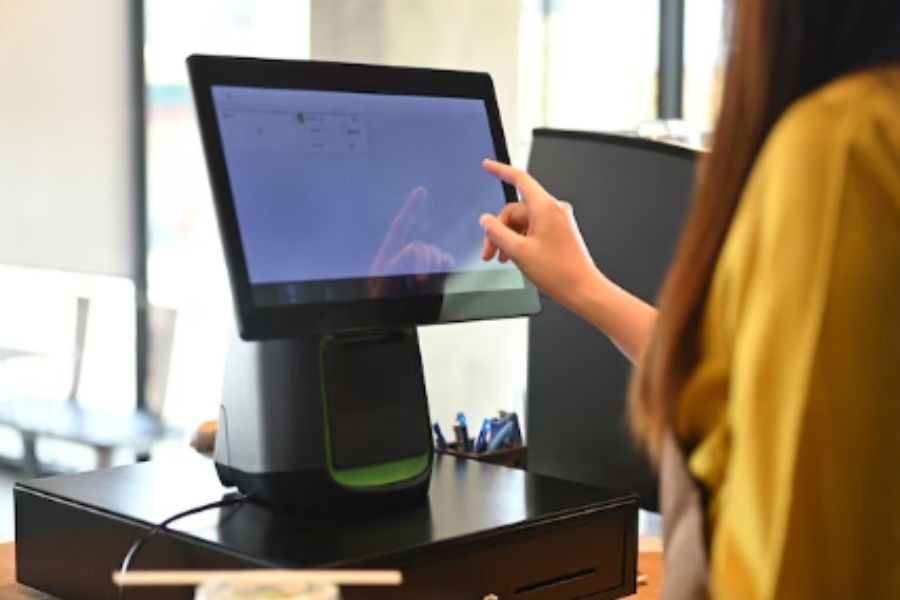
One of the most immediate ways POS systems improve customer service is through faster checkout experiences. Long queues and slow billing processes are among the top reasons customers feel dissatisfied. POS systems automate price calculations, taxes, and discounts, allowing transactions to be completed in seconds. Faster checkouts reduce waiting time, improve customer flow, and create a smoother experience—especially during peak hours in retail stores and restaurants.
Accuracy is another critical factor in customer satisfaction. Pricing errors, incorrect bills, or missed items can quickly damage trust. POS systems minimize these issues by ensuring that product prices, taxes, and promotions are pre-configured in the system. Each transaction follows the same standardized process, reducing mistakes and ensuring customers are charged correctly every time. When customers feel confident in billing accuracy, their overall experience improves.
POS systems also support better service by providing real-time inventory visibility. Nothing frustrates customers more than ordering or asking for an item that is actually out of stock. With POS-integrated inventory tracking, staff can instantly check product availability. This allows employees to give accurate information, suggest alternatives when needed, and avoid disappointing situations that can harm customer trust.
Another major advantage of POS systems is their ability to store and manage customer data. Many POS solutions include customer profiles that track purchase history, preferences, and visit frequency. This information empowers businesses to offer personalized service. For example, staff can recommend products based on previous purchases or offer targeted promotions. Personalized interactions make customers feel valued and understood, which strengthens loyalty.
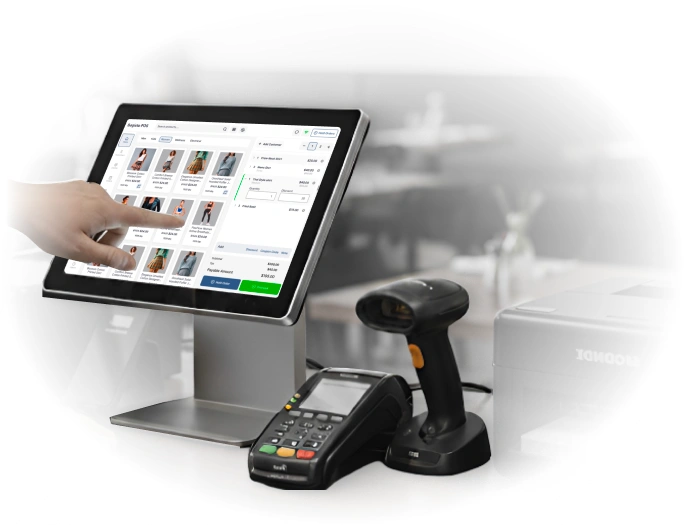
POS systems also enhance service quality by supporting multiple payment options. Modern customers expect flexibility, whether they want to pay with cash, card, mobile wallets, or split payments. POS systems handle all these methods seamlessly, reducing friction at checkout. A smooth and convenient payment experience leaves a positive final impression, which strongly influences how customers remember a brand.
In service-based industries like restaurants and hospitality, POS systems help improve communication between front-line staff and operations. Orders placed through the POS are sent directly to the kitchen or service team, reducing miscommunication and delays. This ensures customers receive exactly what they ordered, prepared correctly and delivered on time. Faster and more accurate order fulfillment leads to higher satisfaction and fewer complaints.
POS reporting and analytics also indirectly support better customer service. By analyzing sales patterns, peak hours, and customer preferences, businesses can make informed decisions about staffing, menu design, product placement, and service improvements. For example, knowing busy periods allows managers to schedule enough staff to avoid service delays. Better planning results in smoother operations and happier customers.
Staff performance and accountability are also strengthened through POS systems. Individual logins allow businesses to track transactions and service efficiency at the employee level. This helps identify training needs and reward high performers. Well-trained and confident staff deliver better service, which directly impacts customer satisfaction.
In conclusion, POS systems are powerful tools for enhancing customer service across all types of businesses. By speeding up transactions, ensuring accuracy, enabling personalized interactions, and supporting operational efficiency, POS systems help create seamless and positive customer experiences. In a competitive market where service quality can set businesses apart, investing in a reliable POS system is a strategic step toward building customer trust, loyalty, and long-term success.