How POS Solutions for Indian Restaurant Businesses Help Control Inventory
Managing inventory is one of the biggest operational challenges for restaurants, particularly businesses serving Indian cuisine where kitchens may depend on dozens of spices, fresh vegetables, dairy products, grains, lentils, sauces, and specialty ingredients. Without accurate stock tracking, restaurants can face food waste, over-ordering, stock shortages and rising food costs. This is where POS solutions for indian restaurant businesses can make a measurable difference.
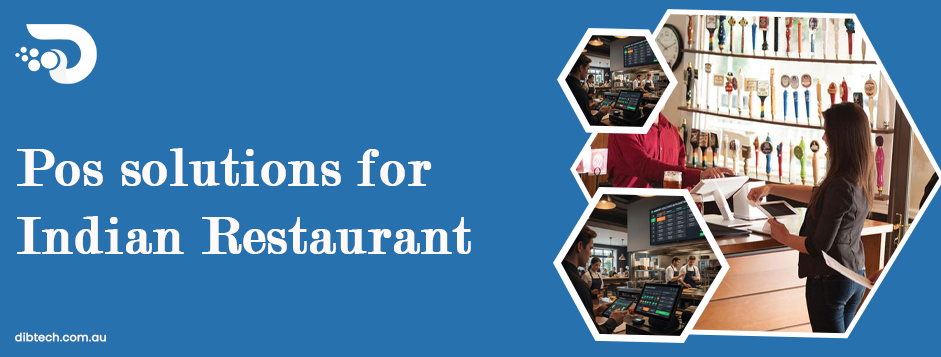
Modern POS solutions have evolved from simple payment processors into powerful tools for managing business operations. It can connect sales data with inventory records, helping restaurant owners understand what ingredients are being used, which dishes are selling, when supplies need replenishing, and where unnecessary wastage is occurring. For Indian restaurants with extensive menus and complex recipes, this visibility can significantly simplify stock management.
By automating inventory updates and providing real-time information, POS technology helps restaurant managers make informed purchasing decisions instead of relying on manual counts or assumptions. In this blog, we’ll explore how POS solutions help Indian restaurants track inventory, reduce food waste, control costs, streamline purchasing, and make smarter stock-management decisions.
Why Inventory Management Matters for Indian Restaurants
Indian restaurants often operate with a more diverse ingredient list than many other food-service businesses. A single kitchen may use different varieties of rice, flour, pulses, vegetables, dairy products, meats, herbs and spices across breakfast, lunch, dinner and takeaway menus.
Many ingredients also have different storage requirements and shelf lives. Fresh coriander, paneer, yoghurt, vegetables and meats need careful monitoring, while dry ingredients such as rice, lentils, flour and spices may have longer storage periods. Managing all these products manually can become complicated as the business grows.
Poor inventory management can create several problems, including:
- Overstocking ingredients that are not selling quickly
- Running out of primary ingredients during the high peak time
- Increased food spoilage and wastage
- Difficulty identifying inventory discrepancies
- Unnecessary emergency purchases
- Higher food costs
- Excessive time spent on manual stock counts
- Inconsistent portion sizes
- Reduced profitability
A restaurant needs to know not only how much stock it has, but also how quickly that stock is being consumed.
For example, if a restaurant sells significantly more butter chicken than expected during a weekend, its consumption of chicken, butter, cream, tomatoes and spices will also increase. A connected POS system can provide sales information that helps managers anticipate these changes.
This makes inventory management software for Indian restaurants particularly useful for businesses with large menus, multiple locations or high takeaway and delivery volumes.
Connecting Sales With Stock Consumption
Traditional stock management often involves recording purchases in spreadsheets and conducting physical counts at the end of the day or week. This approach can leave managers working with outdated information.
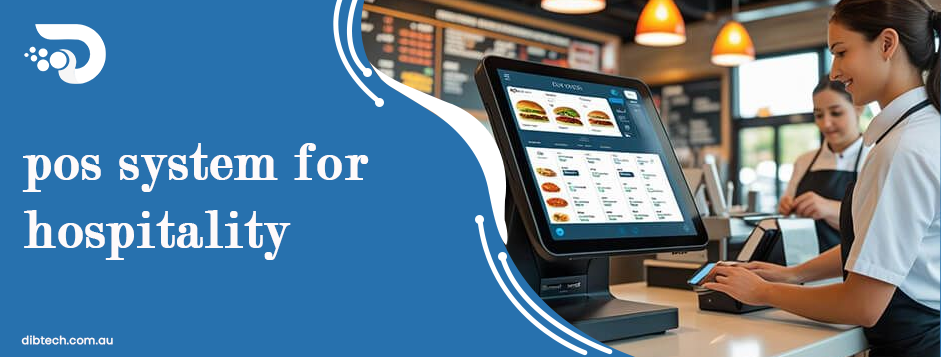
POS solutions for Indian restaurant can automatically record each transaction. When configured with inventory capabilities, sales data can be used to estimate the ingredients consumed for specific menu items.
This creates a stronger connection between:
- Items sold
- Recipes used
- Ingredients consumed
- Stock remaining
- Reorder requirements
As a result, restaurant managers can make inventory decisions using actual sales patterns rather than guesswork.
How POS Solutions for Indian Restaurant Businesses Improve Stock Tracking
The biggest advantage of POS solutions for Indian restaurant is improved visibility. Restaurant managers can quickly see what is selling and how those sales affect inventory.
When a customer orders a biryani, dosa, paneer dish or thali, the transaction is recorded through the POS system. If recipes and inventory items are configured correctly, the system can associate sales with the relevant ingredients.
This can help restaurants monitor stock movement more efficiently.
Real-Time Inventory Updates
Manual inventory systems often require staff to update records after purchases, sales or stock counts. Delays can make inventory reports inaccurate.
Modern systems can provide much faster updates, allowing managers to monitor stock throughout the operating day.
This is particularly useful during busy periods when ingredient consumption can change rapidly.
For example, a restaurant may experience unexpectedly high demand for a particular biryani on a Friday evening. Real-time sales information can alert managers that key ingredients may need replenishment before the next service.
Monitoring Fast-Moving Ingredients
Not all ingredients need to be monitored in the same way.. Some products may be consumed daily, while others move slowly.
POS data can help identify fast-moving items and allow managers to prioritise them during stock checks.
This is valuable for POS inventory tracking for Indian food businesses, where staples such as rice, cooking oil, onions, tomatoes, paneer, chicken and spices can experience substantial fluctuations in consumption.
By identifying fast-moving products, restaurants can:
- Set appropriate minimum stock levels
- Plan more frequent purchases
- Reduce the risk of stockouts
- Improve supplier coordination
- Adjust purchasing according to demand
Identifying Slow-Moving Stock
Inventory control is not only about preventing shortages. It is also about preventing excessive purchasing.
If certain ingredients are consistently underused, POS solutions for Indian restaurant can reveal the pattern. Restaurant owners can then reconsider purchasing quantities or explore menu strategies that use those ingredients efficiently.
This can help reduce money tied up in unnecessary inventory.
Using POS Solutions for Indian Restaurant to Improve Food Cost Control
Food cost is one of the most important metrics for any restaurant. Even a busy restaurant can struggle financially if ingredient costs are not controlled.
POS solutions for Indian restaurant can provide sales information that helps managers compare revenue against food consumption and purchasing activity.
Understanding Menu-Level Performance
Restaurant owners can use sales reports to identify their strongest and weakest menu items.
Suppose a restaurant sells three popular paneer dishes. If one dish has consistently high sales but requires expensive ingredients, its contribution to profitability may differ from another dish with similar sales but lower ingredient costs.
This type of analysis can help restaurant operators make better menu decisions.
Supporting Recipe-Based Costing
Recipe management can make inventory control even more effective.
When standard recipes are recorded, managers can establish the expected quantity of each ingredient required for a menu item. For example, a recipe may specify the approximate quantities of rice, vegetables, spices, and protein required for one portion.
This creates a benchmark for expected consumption.
The restaurant can then compare expected usage with actual stock movement. Significant differences may indicate:
- Excessive portion sizes
- Preparation waste
- Incorrect recipe quantities
- Recording errors
- Unauthorised stock usage
- Purchasing discrepancies
This makes Indian restaurant inventory management through a POS system for hospitality more systematic and measurable.
Improving Portion Control
Portion consistency affects both customer satisfaction and food costs.
If kitchen staff use substantially different quantities of ingredients for the same menu item, actual food costs can become difficult to predict.
POS-integrated recipe information can help establish standard portion expectations. Combined with staff training and kitchen procedures, this can reduce unnecessary ingredient usage.
Best Practices for Getting More From POS Solutions for Indian Restaurant
Installing POS solutions for Indian restaurant alone will not automatically solve inventory problems. Restaurants need accurate setup, consistent processes, and staff participation.
A few best practices can make the technology more effective.
Build Accurate Ingredient Records
Every important ingredient should have a clearly defined record, including appropriate units and stock information.
Avoid creating duplicate or confusing inventory entries because inaccurate data can produce unreliable reports.
Standardise Recipes
Where possible, create standard recipes for menu items. This makes it easier to estimate ingredient usage and compare expected consumption with actual stock movement.
Train Staff Properly
Employees should understand how to:
- Record sales correctly
- Enter wastage
- Receive stock
- Handle stock adjustments
- Follow portion standards
- Complete physical counts
Staff training is essential because poor data entry can undermine an otherwise capable system.
Conduct Regular Physical Stock Counts
Technology should complement physical inventory checks rather than completely replace them.
Regular counts can identify differences between system records and actual stock. Managers can then investigate the reasons behind those discrepancies.
Review Reports Regularly
Restaurant owners should establish a routine for reviewing inventory reports.
Daily reviews may focus on critical stock levels, while weekly or monthly reviews can examine broader purchasing and food-cost trends.
Consistent monitoring allows managers to respond before small problems become significant financial losses.
Conclusion
Effective inventory control is essential for Indian restaurants because diverse ingredients, complex recipes, changing demand, and perishable products can make stock management challenging. Modern POS solutions for Indian restaurant can bring sales, inventory, and purchasing information together, giving restaurant owners greater visibility over how ingredients move through the business.
For restaurant owners looking to modernise their operations, they can rely on us at DibTech. We offer technology solutions designed to help businesses improve efficiency and manage day-to-day processes more effectively. Explore our website now to learn how we can support your restaurant with practical POS technology and smarter business management.
FAQs
1. How can POS systems reduce inventory waste in Indian restaurants?
POS systems connect sales with stock information, helping restaurants estimate ingredient consumption, identify slow-moving products, monitor demand and reduce unnecessary purchasing that can lead to spoilage.
2. Can a POS system track ingredients used in Indian dishes?
Yes. When recipes are configured correctly, POS systems can associate menu sales with ingredient quantities, helping managers estimate consumption and monitor stock movement more accurately.
3. How does POS technology help control restaurant food costs?
POS technology provides sales and inventory data that helps restaurants analyse ingredient usage, standardise portions, identify discrepancies and make more informed purchasing decisions to control food costs.
4. Can POS systems help Indian restaurants manage suppliers?
Yes. POS inventory records can help restaurants monitor purchasing requirements, establish reorder levels, compare stock received with orders and plan purchases according to actual sales demand.
5. Is physical stock counting still necessary with a POS system?
Yes. Physical counts remain important for verifying system records, identifying discrepancies, detecting wastage, and ensuring that recorded inventory accurately reflects the restaurant’s actual stock.