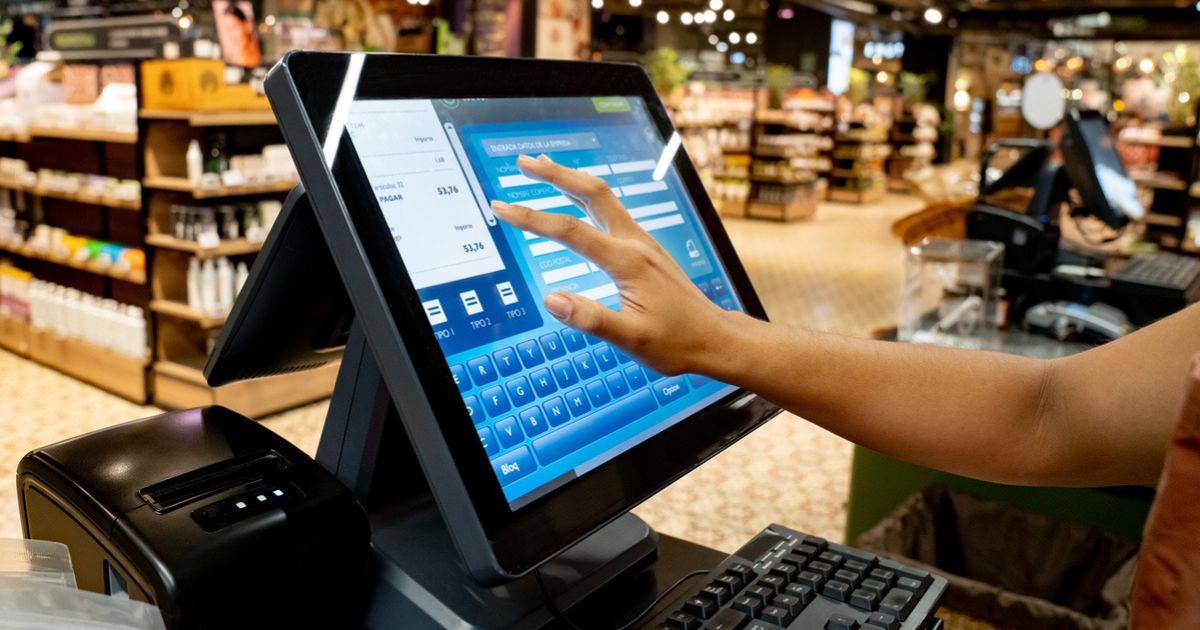
How POS Systems Handle Split Payments
Split payments are becoming increasingly common in restaurants, cafes, bars, and other businesses where customers may want to pay for a single transaction using multiple payment methods. Instead of requiring one person to pay the entire bill, a modern POS system can divide the total and allow customers to pay their share separately.
A POS system with split payment functionality makes this process easier for staff, reduces calculation errors, and provides customers with greater payment flexibility.
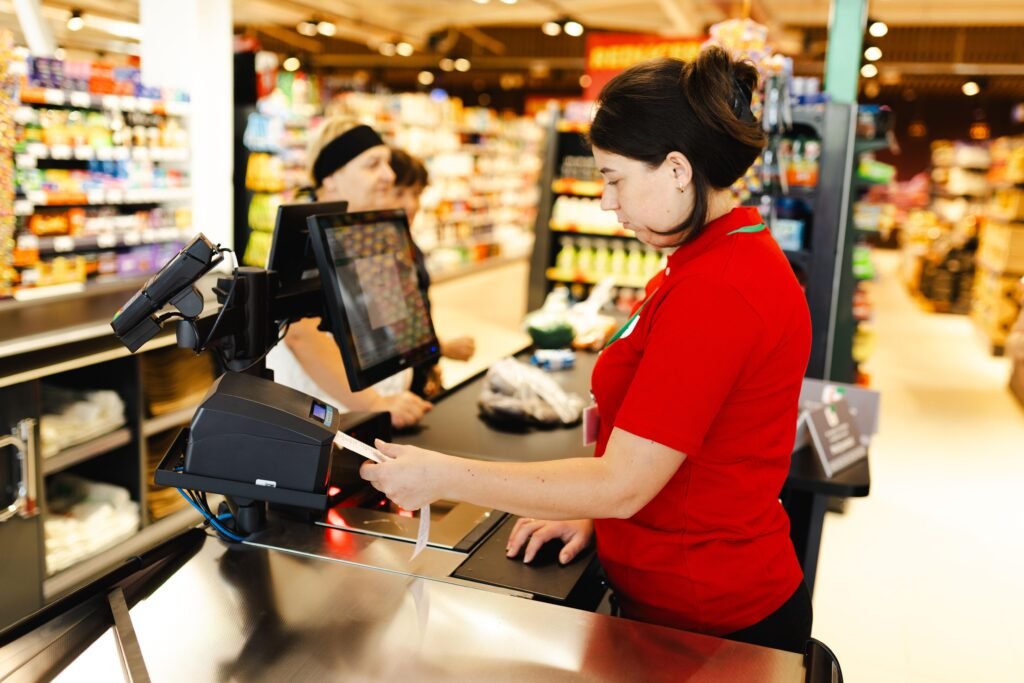
What Is a Split Payment?
A split payment occurs when a single transaction is divided between two or more payment methods or customers.
For example, a restaurant bill might total $120. One customer could pay $60 by card, another could pay $40 in cash, and a third could pay the remaining $20 by card.
Without a POS system, staff may need to calculate each amount manually and keep track of what has already been paid. A modern POS system can manage these payments directly within the same transaction.
How Do POS Systems Handle Split Payments?
When a customer requests a split payment, staff can usually select the split payment option on the POS and divide the transaction.
Depending on the system, staff may be able to:
- Divide the bill equally between customers
- Enter a specific amount for each person
- Split individual items between customers
- Use different payment methods for each portion
- Track the remaining balance after each payment
Once one payment has been completed, the POS records that amount and shows the remaining balance. Staff can then process the next payment until the entire transaction has been settled.
Splitting a Bill by Amount
One of the simplest ways to handle split payments is by dividing the total according to specific amounts.
For example, a $200 restaurant bill could be divided into:
- Customer 1: $80
- Customer 2: $70
- Customer 3: $50
The POS records each payment separately while keeping them linked to the original transaction.
This is particularly useful when customers do not want to divide the bill equally.
Splitting Items Between Customers
Some POS systems allow staff to divide individual products or menu items between customers.
For example, a group of four customers may order several meals and drinks. Instead of dividing the total evenly, staff can assign particular items to each customer before processing their payments.
This can make the final bill more accurate and reduce disagreements about who owes what.
Using Multiple Payment Methods
Split payments do not always involve multiple customers. A single customer may also want to use more than one payment method.
For example, a customer might have a $100 purchase and want to pay:
- $60 by EFTPOS
- $40 in cash
The POS can record both payments against the same transaction, making it clear that the full $100 has been received.
This provides customers with more flexibility while keeping the transaction properly recorded.
Benefits of Split Payments for Businesses
1. Faster Checkout
A POS system can calculate and track each payment automatically, helping staff process complex transactions more quickly.
2. Fewer Calculation Errors
Manually calculating multiple payments can lead to mistakes. POS software can automatically calculate the remaining balance and reduce the risk of incorrect totals.
3. Greater Payment Flexibility
Customers can choose how they want to pay rather than being restricted to a single payment method.
4. Better Transaction Records
Each payment can remain connected to the original transaction, making it easier for businesses to review sales and reconcile payments.
5. Improved Customer Experience
Groups dining together or customers making larger purchases can pay in a way that suits them. This can make checkout simpler and more convenient.
Split Payments in Restaurants
Split payments are particularly useful in restaurants because customers often dine in groups.
Imagine a table of six customers ordering different meals and drinks. One person may want to pay for the food, while others want to pay separately for their own items.
A restaurant POS system can help staff divide the bill, assign items or amounts to different customers, and process each payment without creating separate transactions unnecessarily.
This can save time for both staff and customers during busy service periods.
Split Payments and EFTPOS
When split payments involve card transactions, the POS and EFTPOS system need to work together correctly.
For example, if a $150 transaction is split into $50 cash and $100 EFTPOS, the POS should record the cash portion and send the correct remaining amount to the EFTPOS terminal.
Proper integration helps prevent staff from entering incorrect amounts manually and makes the payment process easier to manage.
Common Challenges With Split Payments
Although split payments can make transactions easier, businesses may still encounter issues if their POS system does not properly support the feature.
Common challenges include:
- Incorrect payment amounts being entered
- Staff accidentally processing more than the remaining balance
- Difficulty reversing one portion of a split transaction
- Payment and POS records becoming mismatched
- Confusion when processing refunds
- Limited support for certain payment methods
For this reason, staff should understand how split payments work on their specific POS system.
How Businesses Can Manage Split Payments Effectively
Businesses can improve the split payment process by training staff and establishing a simple procedure.
Staff should know how to:
- Confirm the total transaction amount.
- Determine how the customer wants to divide the payment.
- Enter or assign each payment correctly.
- Confirm the remaining balance after every payment.
- Verify that the transaction is fully paid before completing it.
- Check the transaction record if a payment needs to be refunded or reversed.
Regular staff training can help prevent mistakes and make split payments much faster during busy periods.
Why Split Payment Functionality Matters
As customers increasingly expect flexible payment options, businesses need POS systems that can handle more than simple one-method transactions.
A POS system that supports split payments can make it easier to divide bills, accept multiple payment methods, track partial payments, and maintain accurate transaction records.
For restaurants, cafes, retailers, and other businesses, this functionality can improve checkout efficiency while giving customers greater control over how they pay.
Conclusion
Split payments do not need to be complicated. With the right POS system, businesses can divide transactions by amount, customer, item, or payment method while keeping everything connected to the original sale.
By automating calculations and tracking each payment, a modern POS system can reduce errors, simplify reconciliation, and create a smoother checkout experience for both staff and customers.
For businesses that regularly handle group purchases or customers using multiple payment methods, reliable split payment functionality can be an important part of an efficient POS system.