Why Every Supermarket Needs an Integrated POS System
Introduction
Managing a supermarket involves more than just billing customers. From tracking inventory and managing product prices to processing payments and monitoring daily sales, supermarket owners handle multiple tasks every day.
Managing these operations manually or using separate systems can lead to errors, delays and unnecessary workload.
An integrated Point of Sale (POS) system helps bring these operations together in one platform. It simplifies daily tasks, improves accuracy and helps supermarket owners manage their businesses more efficiently.
In this blog, we will explore why every supermarket needs an integrated POS system and how it can improve daily operations.
1. Faster and More Accurate Billing
Long queues at checkout counters can affect the customer shopping experience, especially during busy hours.
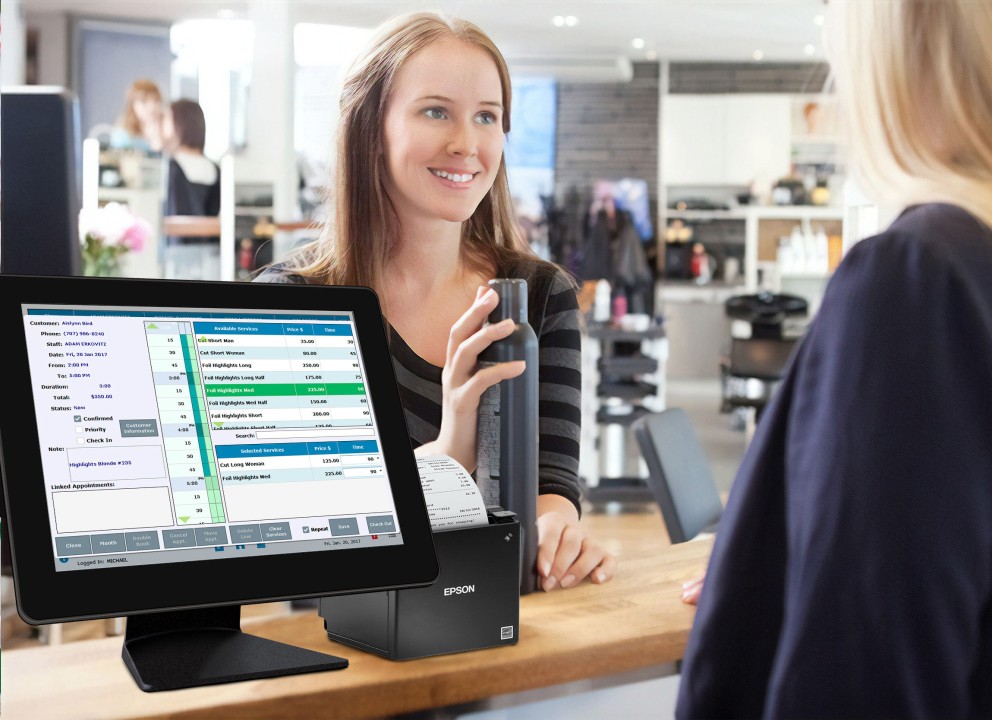
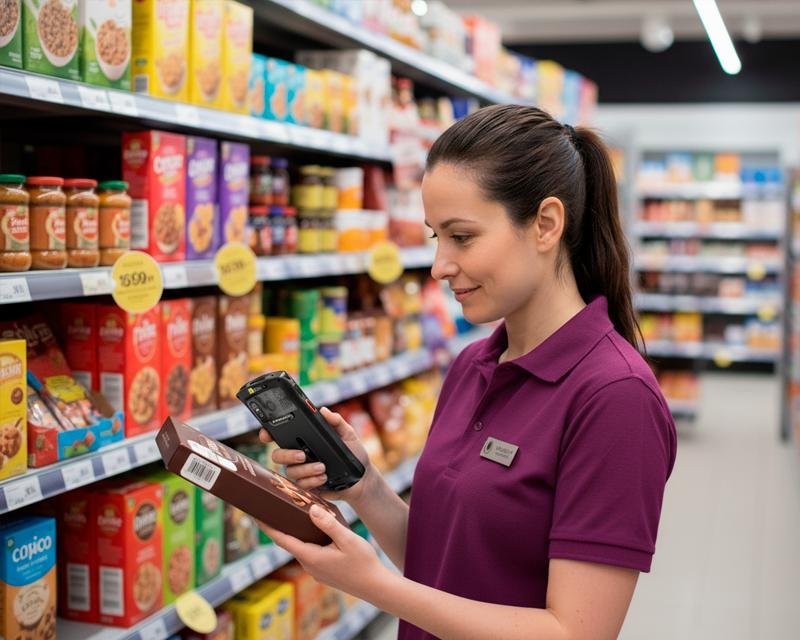
An integrated POS system allows cashiers to scan product barcodes, automatically retrieve product details and calculate prices. It reduces manual price entry and helps minimise billing errors.
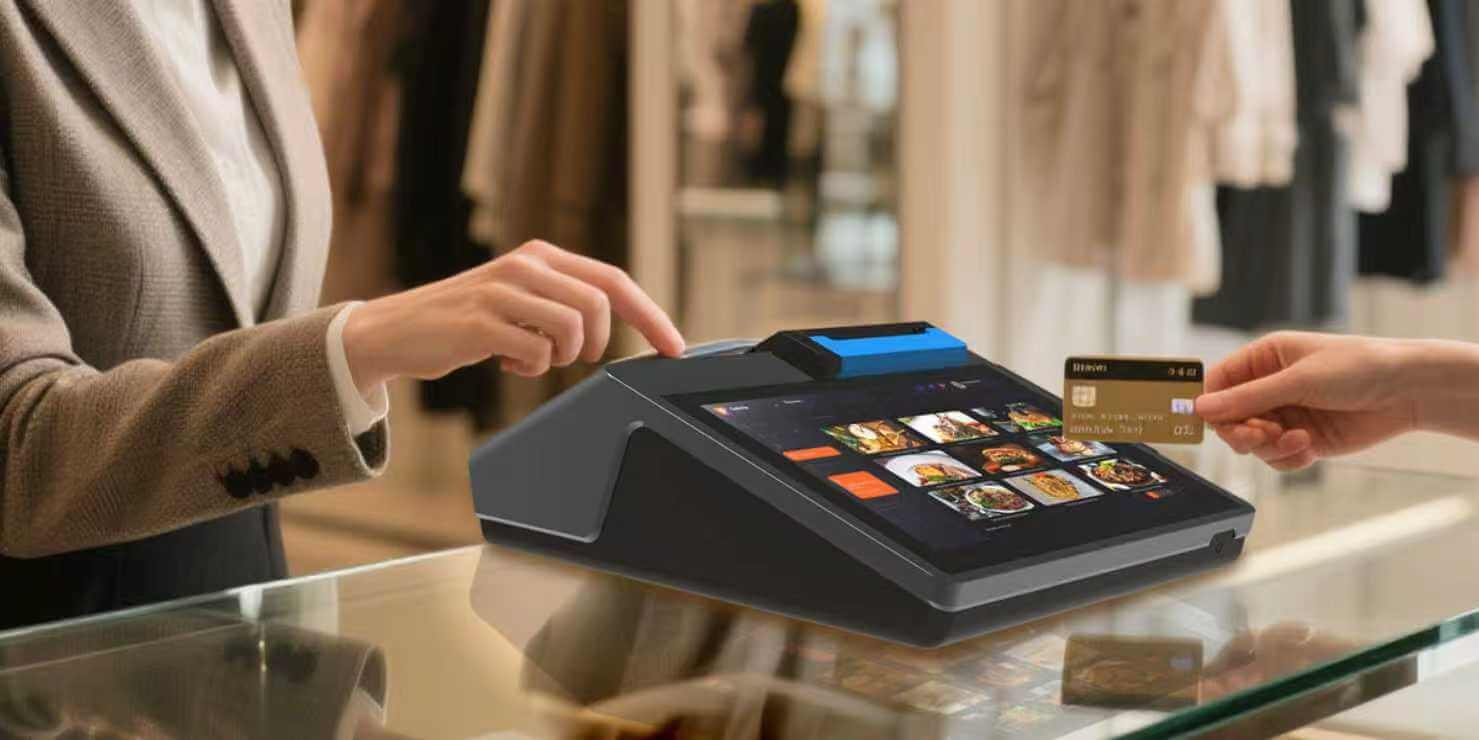
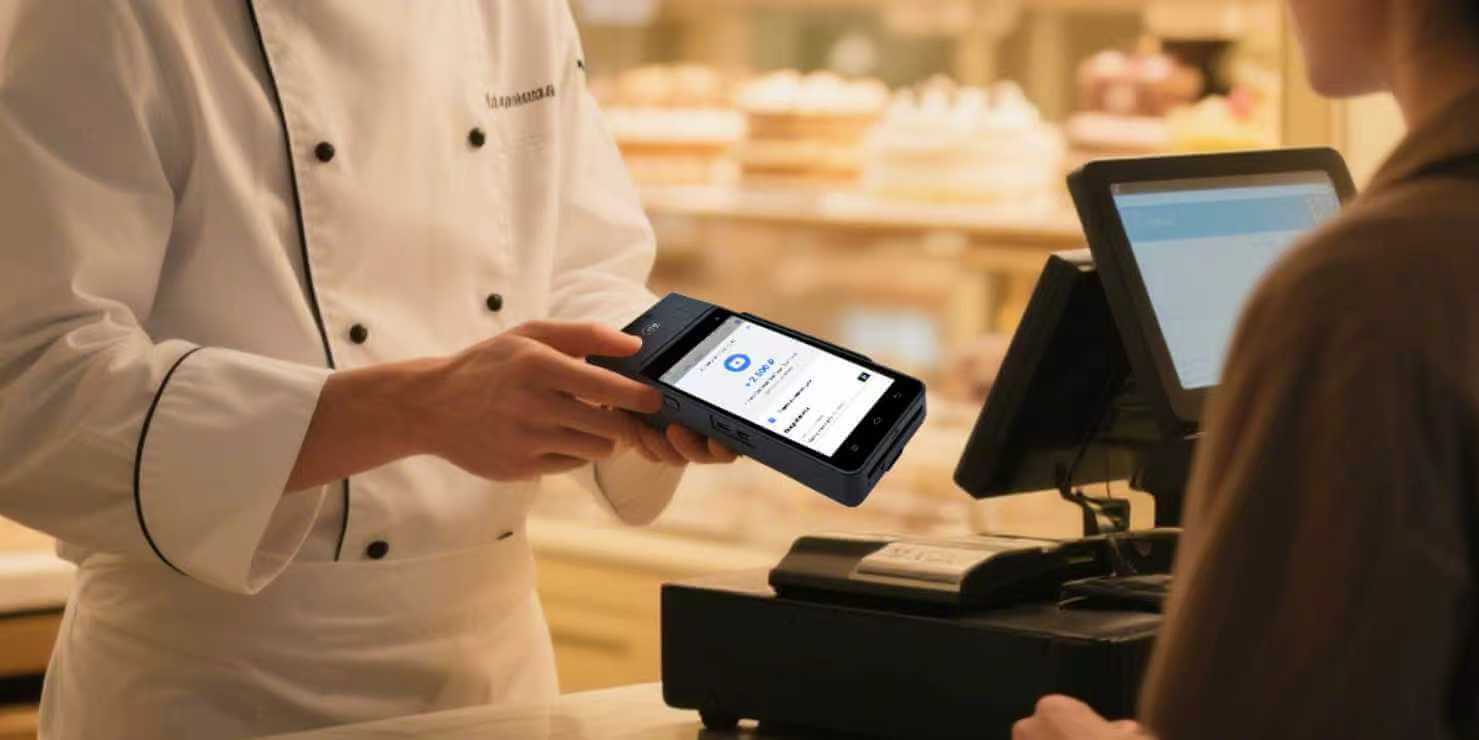
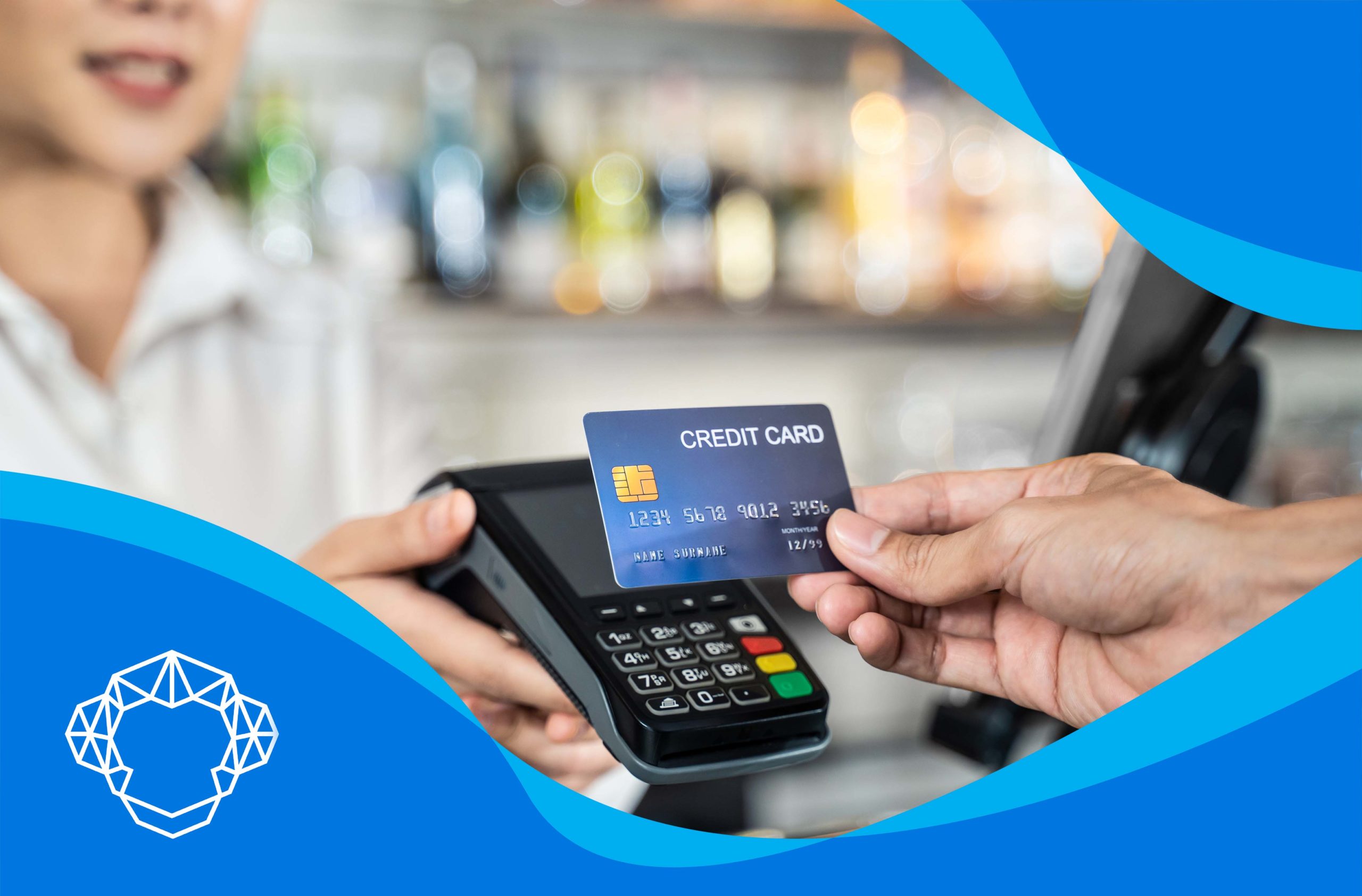
With integrated EFTPOS payments, customers can also complete card transactions directly through the POS system without manually entering payment amounts into a separate terminal.
2. Real-Time Inventory Management
Keeping track of stock is one of the biggest challenges for supermarkets, particularly those managing thousands of products.
An integrated POS system automatically updates stock levels whenever a sale is completed. This helps supermarket owners monitor available stock and identify products that need restocking.
It also makes it easier to manage product information, stock adjustments and inventory records from one centralised system.
3. Better Sales Tracking and Reporting
Understanding daily business performance is important for making informed decisions.
A POS system records sales transactions and generates reports that help supermarket owners monitor:
- Daily, weekly and monthly sales.
- Best-selling and slow-moving products.
- Cash and EFTPOS transactions.
- Staff sales performance.
- Product sales and profitability.
These reports provide useful insights into business performance and help owners identify areas that need improvement.
4. Seamless EFTPOS Integration
Payment processing is an important part of supermarket operations.
An integrated POS system connects directly with EFTPOS terminals, allowing payment amounts to be transferred automatically from the POS to the payment terminal.
Once a transaction is approved, the payment result is sent back to the POS system. This reduces manual entry, minimises payment discrepancies and makes checkout faster.
5. Improved Product and Price Management
Supermarkets regularly update product prices, introduce promotions and add new products.
Managing these changes manually can be time-consuming, particularly when dealing with a large product catalogue.
An integrated POS system allows supermarket owners to manage product details, barcodes, categories, selling prices and promotions in one place.
This makes it easier to maintain accurate product information and apply price changes across the business.
6. Reduced Manual Work and Human Errors
Manual processes can increase the chances of incorrect pricing, stock discrepancies and transaction errors.
By connecting different business operations, an integrated POS system reduces repetitive tasks and minimises the need for manual data entry.
This allows employees to focus more on serving customers and managing daily supermarket activities.
7. Better Customer Experience
A smooth checkout process plays an important role in customer satisfaction.
With faster billing, accurate pricing, multiple payment options and efficient transaction processing, an integrated POS system helps create a better shopping experience.
It also helps supermarket staff manage busy periods more effectively and reduce unnecessary delays at checkout counters.
Conclusion
An integrated POS system is an essential tool for modern supermarkets. It brings billing, inventory management, EFTPOS integration, product management and sales reporting together in one platform.
By reducing manual work, improving accuracy and simplifying daily operations, it helps supermarket owners save time and manage their businesses more efficiently.
With a reliable POS solution like DibPOS by Dibtech, supermarkets can streamline their operations and manage their business from one integrated system.